
Pad Thai is a popular Thai stir-fried noodle dish made with rice noodles, a protein such as shrimp or chicken, tofu, scrambled eggs, and vegetables like bean sprouts and garlic chives. The dish is known for its sweet, sour, and savory sauce, typically made from tamarind paste, fish sauce, palm sugar, and chili.
Craving a perfect plate of Pad Thai, with its vibrant mix of savory, sweet, and tangy flavors? If the thought of making it from scratch feels overwhelming, you’re not alone. Many home cooks assume this beloved Thai noodle dish requires complex ingredients and tricky techniques best left to restaurant chefs. But at Recipesmondial, we believe enjoying authentic, flavorful meals at home should be simple. We’re here to show you that making a delicious, genuine Pad Thai in your own kitchen is not only achievable but also incredibly rewarding.
This article is your friendly guide to mastering homemade Pad Thai with confidence. We’ve developed an easy recipe that breaks down every part of the process. You’ll learn how to prepare the ideal rice noodles, whip up a rich and authentic sauce, and perfectly stir-fry your ingredients—including a popular chicken Pad Thai variation. Forget getting lost in technical jargon. Our step-by-step instructions focus on clarity and simplicity, ensuring great results even if you’re new to Asian cuisine. Get ready to fill your kitchen with incredible aromas and enjoy a satisfying meal that proves approachable home cooking can be both authentic and stress-free.
Why Is This the Best Beginner-Friendly Pad Thai Recipe?
Feeling intimidated by the idea of making authentic Pad Thai? We get it—many home cooks feel overwhelmed by complex recipes. At Recipesmondial, we believe cooking delicious, authentic food should be stress-free and enjoyable. That’s why we’ve created the perfect beginner-friendly Pad Thai recipe.
Our goal is to remove the guesswork so you can cook with confidence. This simplified recipe makes traditional Pad Thai approachable, delivering incredible flavor without requiring advanced skills or hard-to-find ingredients. It’s all about bringing gourmet taste to your family table.
Here’s what makes this your go-to recipe for mastering Pad Thai:
- Clear, Step-by-Step Guidance: We break down the entire process into easy-to-follow instructions. Our clear guidance helps you build confidence from start to finish.
- Everyday, Accessible Ingredients: Forget searching for obscure items. This recipe uses common ingredients you can find at your local grocery store, making preparation simple and fast.
- Authentic Yet Achievable Flavor: Enjoy the classic sweet, sour, salty, and umami balance of real Pad Thai. We’ve designed this recipe to deliver a rich, flavorful experience without any complex techniques.
- Perfect for Busy Schedules: As a quick meal solution, this recipe is ideal for anyone seeking simple dinner recipes that are both satisfying and fast.
- Boost Your Cooking Confidence: Master a famous international dish with ease. Our approachable method will transform your kitchen experience, turning uncertainty into culinary success.
- Customizable for Everyone: Whether you prefer classic chicken Pad Thai or a vegetarian version, this recipe is easily adaptable. You can make simple variations to suit different tastes and dietary needs.
This Pad Thai recipe is more than just a meal—it’s an opportunity to enjoy cooking without stress. Get ready to discover how easy it is to create authentic, flavorful dishes right in your own kitchen!
What Ingredients Do You Need for Pad Thai?
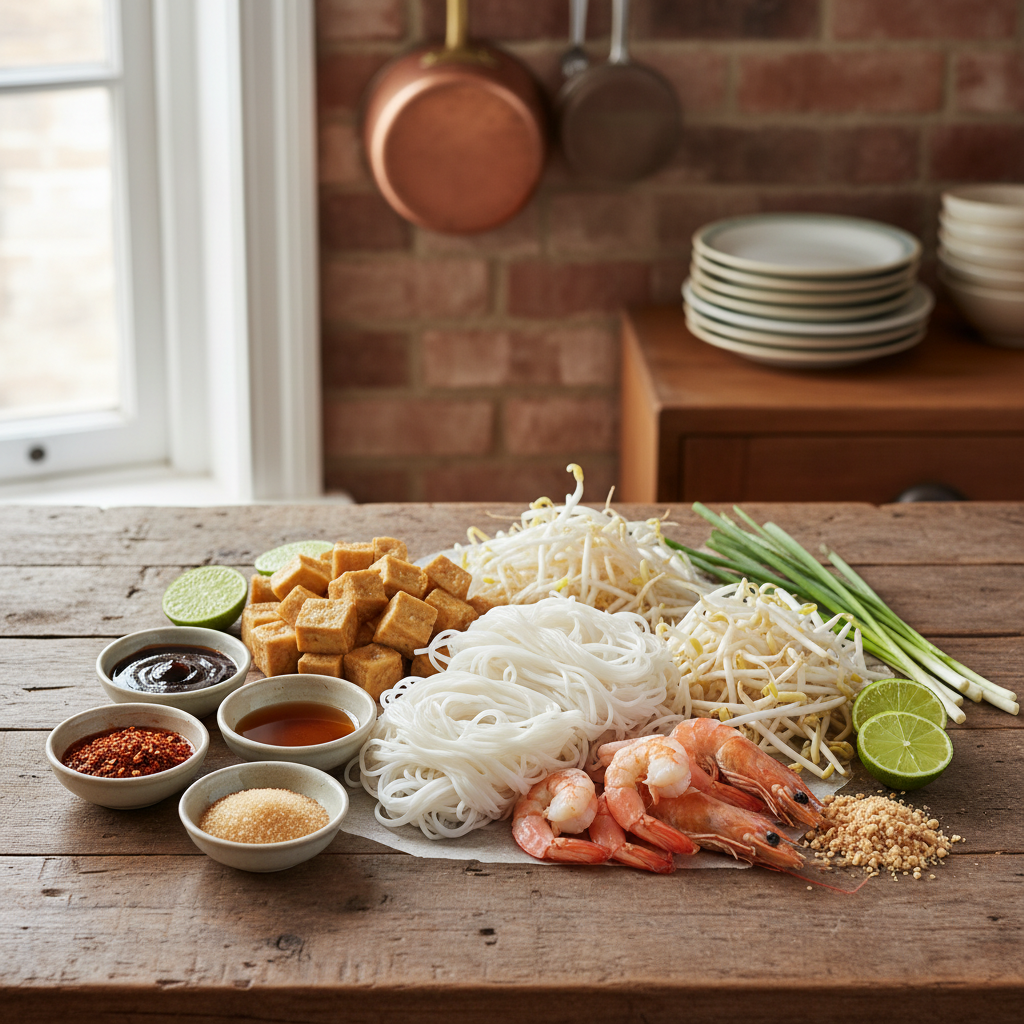
For the Authentic Pad Thai Sauce
The secret to perfect Pad Thai is an incredible sauce. This blend masterfully balances sweet, sour, and salty flavors with a hint of spice, transforming simple ingredients into a rich, aromatic experience. Here’s what you’ll need to create a genuinely delicious sauce:
- Tamarind Paste (2 tablespoons): As the heart of Pad Thai, this paste provides the dish’s signature tangy, sweet-and-sour flavor. Look for a seedless, concentrated variety for the best results.
- Fish Sauce (2 tablespoons): Essential for authentic flavor, fish sauce adds a crucial savory, umami depth. It’s a staple in Thai cuisine.
- Palm Sugar (2 tablespoons): With its rich, caramel-like sweetness, palm sugar is softer than white sugar. If you can’t find it, brown sugar is an excellent substitute.
- Rice Vinegar (1 tablespoon, optional): A splash of rice vinegar brightens the sauce, helping to balance the sweet and salty notes for a perfect finish.
- Sriracha or Red Chili Flakes (1 teaspoon or to taste, optional): For a touch of heat, add sriracha or red chili flakes. Adjust the amount to suit your family’s preference.
Simply whisk these ingredients together to create your balanced sauce. This key step makes it easy for any home cook to master this classic comfort food and achieve an authentic taste right at home.
For the Noodles and Stir-Fry
With the sauce ready, it’s time for the noodles and fresh stir-fry ingredients that bring this dish to life. These components provide texture and flavor, forming the foundation of a wonderful, family-friendly meal. Having them prepped and ready will make the cooking process much smoother.
Noodles and Protein:
- Flat Rice Noodles (8 ounces, dried): The classic choice for Pad Thai, these are typically medium-width. Soak them according to package directions before cooking to ensure they become tender while retaining a pleasant chew.
- Shrimp, Chicken, or Tofu (8 ounces): Choose your favorite protein. For a classic chicken Pad Thai, cut chicken breast or thigh into bite-sized pieces. If using shrimp, remember they cook very quickly. For a simple vegetarian variation, firm or extra-firm tofu works wonderfully.
- Eggs (2 large): A traditional addition, scrambled eggs add richness and a lovely texture to the dish.
- Firm Tofu (4 ounces, pressed and cubed, optional): Even when using another protein, small cubes of fried tofu add a wonderful texture and soak up the sauce beautifully.
Aromatics and Vegetables:
Fresh aromatics create the fragrant foundation of the stir-fry, while crisp vegetables add essential flavor and freshness. Together, they help make this a healthy and balanced meal.
- Garlic (2 cloves, minced): Forms the essential fragrant base for the stir-fry.
- Shallots (1 small, minced): These offer a milder, sweeter flavor than regular onions. A red onion is an easy substitution if needed.
- Bean Sprouts (1 cup): Add a fantastic crunch by stirring these in at the very end of cooking to keep them crisp.
- Garlic Chives (½ cup, chopped into 1-inch pieces): These lend a delicate onion-garlic flavor. If you can’t find them, regular chives work well too.
Finishing Touches and Oil:
- Vegetable Oil (2 tablespoons): Use a neutral oil with a high smoke point for stir-frying. Canola or peanut oil are good choices.
- Roasted Peanuts (¼ cup, crushed): A sprinkle of crushed peanuts provides a delightful nutty crunch and is a signature garnish for authentic Pad Thai.
- Fresh Lime Wedges (1-2 limes): A squeeze of fresh lime juice just before serving is a must-have, as it brightens all the flavors in the dish.
With these ingredients prepped and ready, you’re well on your way to creating a delicious Pad Thai at home. This simple, approachable recipe ensures a flavorful meal and success for any home cook.
How to Make Pad Thai: A Step-by-Step Guide

Prepare the Noodles
Perfectly cooked rice noodles are the foundation of great Pad Thai, as mushy noodles can ruin the dish. Follow these simple steps to get a tender, chewy texture, even if you’re a beginner.
- Soak the Noodles: Place the dried flat rice noodles (usually about ¼-inch wide) in a large heatproof bowl.
- Cover with Warm Water: Pour warm tap water over the noodles, ensuring they are fully submerged.
- Let Them Soften: Allow the noodles to soak for 20-30 minutes. Thicker noodles may need a bit longer.
- Check for Doneness: The noodles should be pliable and bend easily but still feel firm to the touch. You want them “al dente,” ready for their final cook in the wok.
- Drain and Rinse: Once ready, drain the noodles thoroughly in a colander and rinse them briefly with cool water to stop the cooking and prevent sticking.
- Set Aside: Keep the noodles in the colander until needed.
Quick Tip: Soaking time varies by noodle thickness and brand, so always check the package directions first. Getting this step right ensures your noodles cook evenly in the wok.
Mix the Sauce
The secret to incredible Pad Thai is a balanced sauce that hits all the key flavors: sweet, sour, salty, and umami. Mixing it ahead of time is a simple trick that saves you from scrambling while the wok is hot.
- Gather Your Ingredients: You will need fish sauce, tamarind paste, brown sugar, and rice vinegar.
- Combine in a Bowl: In a small bowl, whisk together 3 tablespoons fish sauce, 2 tablespoons tamarind paste, 3 tablespoons brown sugar, and 1 tablespoon rice vinegar.
- Stir Until Smooth: Continue mixing until the brown sugar has completely dissolved.
- Taste and Adjust: Take a tiny taste. Does it need more sweetness or more tang? Adjust the seasonings to your preference to perfect the flavor profile.
- Set Aside: Your Pad Thai sauce is now ready.
Why Pre-Mix? Having the sauce ready makes the final stir-fry process much quicker and more enjoyable. You won’t be scrambling for ingredients while your wok is hot!
Cook the Protein and Aromatics
In this step, we’ll build the first layer of flavor by cooking your protein and aromatics. The technique is similar whether you’re using chicken, shrimp, or tofu.
- Heat Your Wok: Add 2 tablespoons of vegetable oil to a large wok or a wide, non-stick skillet over medium-high heat. Heat until the oil is shimmering.
- Cook the Protein:
- For Chicken: Add 8 ounces of thinly sliced chicken breast or thigh. Stir-fry for 3-5 minutes until cooked through and lightly browned. Remove the chicken from the wok and set aside.
- For Shrimp: Add 8 ounces of peeled and deveined shrimp. Cook for 2-3 minutes per side until pink and opaque. Remove and set aside.
- For Tofu: Add 8 ounces of firm or extra-firm tofu (pressed and cubed). Cook until golden brown and crispy on all sides, about 5-7 minutes. Remove and set aside.
- Add Aromatics: If needed, add another teaspoon of oil to the wok. Add 2 minced garlic cloves and 1 finely chopped shallot. Stir-fry for about 1 minute until fragrant. Do not let them burn.
- Scramble the Egg: Push the aromatics to one side of the wok. Crack 2 large eggs into the empty space and scramble them gently for 1-2 minutes until just set. Break the cooked egg into smaller pieces.
Helpful Tip: Avoid overcrowding the pan, which causes food to steam instead of brown. If you’re making a larger batch, cook the protein in two separate batches to ensure it gets a delicious, seared texture.
Combine Everything in the Wok
Now it’s time to bring all the components together. This final stage happens quickly, so have all your ingredients ready and close to the stove.
- Return Protein to Wok: Add the cooked chicken, shrimp, or tofu back into the wok with the scrambled egg and aromatics.
- Add Noodles: Gently add the soaked and drained rice noodles to the wok.
- Pour in Sauce: Drizzle the pre-mixed Pad Thai sauce evenly over the noodles and other ingredients.
- Toss and Cook: Using tongs or two spatulas, toss everything together quickly. Stir-fry for 2-3 minutes, ensuring the noodles are evenly coated and heated through.
- Add Vegetables (Optional): If adding fresh bean sprouts or chives, stir them in during the last 30 seconds of cooking to keep them crisp.
- Final Touches: Remove the wok from the heat.
Serving Suggestion: Serve Pad Thai immediately, garnished with chopped peanuts, a wedge of lime, and extra bean sprouts, if desired.
Tips for Perfecting Your Pad Thai

Ready to transform your Pad Thai recipe from good to absolutely amazing? Even if you’re a beginner, these simple tips will help you master this delicious dish and build your confidence in the kitchen.
- Prep Everything First (Mise en Place): This is the golden rule for any stir-fry, especially Pad Thai. Chop your vegetables, slice your protein, mix your sauce, and have your soaked noodles ready before turning on the stove. With everything prepared, the cooking process will be smooth, quick, and stress-free.
- Master Your Noodles: To avoid mushy noodles, do not over-soak them. They should be pliable but still feel firm to the touch, as they will finish cooking in the wok. Soaking them correctly is the key to achieving the perfect texture.
- High Heat is Your Friend: Always use a very hot wok or large skillet. High heat is essential for creating the signature “wok hei” (breath of the wok) flavor and ensures your ingredients sear quickly instead of stewing. This is the secret to achieving a restaurant-quality texture and taste.
- Don’t Overcrowd the Wok: It’s essential to cook in batches. Adding too many ingredients at once causes the temperature to drop, which steams your food instead of stir-frying it. For best results, cook your protein first and set it aside, then continue with the remaining ingredients before combining everything at the end.
- Taste and Adjust Your Sauce: The sauce is the heart of the dish, so taste it before you start cooking. Does it need more tang from lime, sweetness from sugar, or savory depth from fish sauce? Adjust the flavors until they are perfect for your preference. This is your chance to customize the dish completely.
- The Egg Technique: For perfect ribbons of egg, push the noodles and other ingredients to one side of the wok. Pour the beaten egg into the empty space, let it set for a moment, and then gently scramble. Once cooked, mix it all together. This method distributes the egg beautifully throughout your chicken Pad Thai.
- Fresh Garnishes Make a Difference: Don’t skip the final garnishes—they truly elevate the dish. Crushed peanuts add crunch, fresh lime wedges provide a burst of zest, bean sprouts give a refreshing crispness, and cilantro adds aroma. These finishing touches are essential for a truly incredible Pad Thai.
- Cook with Confidence: Don’t be afraid to experiment with your Pad Thai. Try adjusting the spice level or adding different vegetables. Every time you cook, you’ll learn something new. The most important part is to have fun and enjoy the creative process of making a delicious meal.
How Can You Customize Your Pad Thai?
Easy Chicken Pad Thai Variation
Adding chicken to classic Pad Thai is a simple way to create a hearty, protein-packed meal the whole family will love. This variation takes the stress out of meal planning and is an easy recipe to master.
Here’s how to incorporate chicken into your Pad Thai:
- Choose Your Cut: Opt for boneless, skinless chicken breast or thighs. Thighs tend to be juicier.
- Prep the Chicken: Slice the chicken into thin, bite-sized pieces. Aim for a uniform size to ensure even cooking.
- Marinate (Optional but Recommended): For extra flavor, marinate the chicken for 15-30 minutes in a mix of soy sauce, a pinch of sugar, and a dash of white pepper.
- Cook the Chicken: Heat a tablespoon of oil in a wok or large skillet over medium-high heat. Add the chicken and stir-fry for 3-5 minutes until cooked through and lightly golden. Remove it from the wok and set it aside to add back in later.
Follow these simple steps for a flavorful chicken Pad Thai that’s perfect for any weeknight dinner.
Simple Vegetarian Pad Thai Variation
Making a delicious and flavorful vegetarian Pad Thai is surprisingly simple. This customizable, plant-based version is a great way to enjoy a healthy meal and practice basic cooking skills.
Here are a few ways to make your Pad Thai vegetarian or vegan-friendly:
- Choose Your Protein:
- Tofu: Use extra-firm tofu. Press it well to remove excess water, then cut it into cubes. Pan-fry or air-fry until golden and crispy before adding to the dish.
- Eggs: Whisk 1-2 eggs and scramble them directly in the wok, then break them into smaller pieces.
- Edamame or Tempeh: These are excellent protein choices. Cook tempeh like tofu, or add shelled edamame during the final stir-fry stage.
- Load Up on Veggies: For more nutrition and crunch, add fresh vegetables like:
- Broccoli florets
- Sliced carrots
- Bell peppers
- Mushrooms
- Snow peas
- Make it Vegan: To make the sauce vegan, simply replace the fish sauce. Use a vegan fish sauce alternative or a mix of soy sauce and a squeeze of lime juice for umami flavor.
- Cooking Order: Cook your protein (like tofu) first and set it aside. Next, sauté aromatics like garlic and shallots with any harder vegetables. Finally, add your noodles and sauce, returning the cooked protein and softer vegetables to the wok for the final toss.
This simple recipe is a great starting point for anyone, ensuring a vibrant and flavorful meal without the fuss.
Frequently Asked Questions About Pad Thai
What is in an authentic Pad Thai recipe?
An authentic Pad Thai recipe features a delicious balance of sweet, sour, salty, and savory flavors. It’s a classic Thai stir-fried noodle dish, famous worldwide [1], that is surprisingly simple to make at home.
Here are the core ingredients of a traditional Pad Thai:
- Rice Stick Noodles: These flat, thin noodles form the hearty base of the dish.
- Protein: Typically shrimp, chicken, or tofu, providing a satisfying bite.
- Eggs: Scrambled into the dish to add richness and texture.
- Aromatics: Fresh garlic and shallots create a fragrant foundation.
- Pad Thai Sauce: This is the heart of the dish, made from a balanced mix of tamarind paste, fish sauce, and palm sugar.
- Vegetables: Crisp bean sprouts and fresh garlic chives are stirred in at the end for freshness and crunch.
- Garnishes: A sprinkle of crushed peanuts, a wedge of lime, and a dash of chili flakes complete the experience.
Together, these ingredients create the dish’s signature delicious and balanced taste.
How do you make Pad Thai sauce from scratch?
Making Pad Thai sauce from scratch is simple and the best way to elevate the flavor of your dish.
Here’s what you’ll need for your homemade sauce:
- 3 tablespoons tamarind paste (the unsweetened kind)
- 3 tablespoons fish sauce
- 2-3 tablespoons palm sugar (or brown sugar for an easy substitute)
- 1-2 tablespoons water (to help dissolve the sugar)
- A squeeze of fresh lime juice (optional, for extra brightness)
Follow these simple steps:
- Combine the tamarind paste, fish sauce, palm sugar, and water in a small bowl.
- Whisk until the palm sugar dissolves completely. If needed, you can gently warm the mixture in a small saucepan over low heat. Stir constantly and do not let it boil.
- Taste the sauce and adjust it to your preference. Add more palm sugar for sweetness, or a bit more tamarind paste for a tangier flavor.
This homemade sauce is the key to an authentic-tasting Pad Thai.
What are the main ingredients in chicken Pad Thai?
Chicken Pad Thai is a popular variation that builds on the classic recipe, using tender chicken as the main protein.
The main ingredients for chicken Pad Thai include:
- Thin Rice Stick Noodles: The essential base.
- Boneless, Skinless Chicken Breast or Thigh: Cut into small, bite-sized pieces for quick cooking.
- Homemade Pad Thai Sauce: The sweet, sour, and savory blend discussed earlier.
- Eggs: Scrambled right in the wok.
- Garlic and Shallots: For aromatic depth.
- Fresh Bean Sprouts and Garlic Chives: Added at the end for crunch and fresh flavor.
- Oil: For stir-frying everything to perfection.
- Garnishes: Crushed peanuts, fresh lime wedges, and chili flakes for serving.
These components come together to create a quick, satisfying, and flavorful meal.
What kind of noodles are best for Pad Thai?
For truly authentic Pad Thai, you should use flat rice stick noodles. They are designed for stir-frying and are perfect for soaking up the rich sauce.
Here’s why they are the best choice:
- Texture: When properly prepared, they become tender with a pleasant chew.
- Absorbency: They readily absorb the sauce, ensuring every bite is full of flavor.
- Authenticity: They are the traditional noodle used in Thailand for this dish.
You can find them in most Asian grocery stores or the international aisle of larger supermarkets. They come in various widths; a medium width (about 3-5mm) is ideal for Pad Thai.
Preparing the noodles:
Always follow package directions, but the general method is to soak them in warm water for 20-30 minutes until they are pliable but still firm. Avoid boiling the noodles, as they will finish cooking in the wok. This crucial step ensures they don’t become mushy.
Leave a Reply