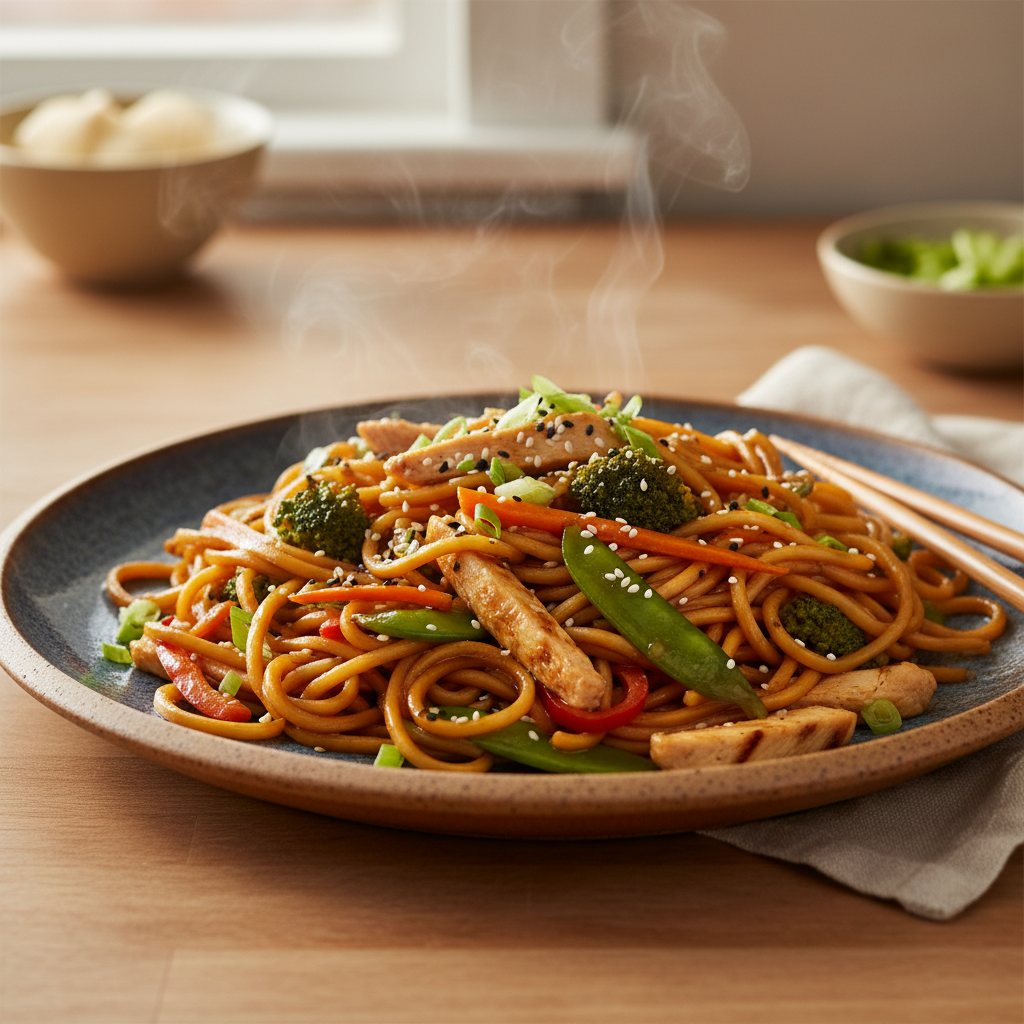
Chow mein is a classic Chinese-American dish featuring stir-fried noodles combined with vegetables and a protein like chicken, beef, or tofu. The defining characteristic is the noodles, which are typically par-boiled and then pan-fried to achieve a slightly crispy texture. It’s all brought together with a savory soy-based sauce for a quick and flavorful meal.
Tired of ordering takeout every time you crave savory chicken chow mein? Many home cooks assume their favorite restaurant dishes are too complicated to make at home. The good news is that a delicious, better-than-takeout version is not only possible but also surprisingly easy—even on your busiest weeknights.
At Recipesmondial, we believe enjoying flavorful, family-friendly meals shouldn’t be stressful. That’s why we created this simple dinner recipe for chicken chow mein, designed for beginners and busy households. Our step-by-step guide helps you build confidence and whip up quick meals everyone will love. Get ready to transform everyday ingredients into a truly satisfying dish.
In this guide, we’ll walk you through everything needed to master this easy chicken chow mein recipe. We’ll cover the difference between chow mein and lo mein, share practical tips for perfect results, and suggest simple substitutions. You’ll discover how to create flavorful meals made easy. Say goodbye to takeout menus and hello to stress-free cooking, starting with what makes this the easiest chow mein recipe you’ll ever find.
Why Is This The Easiest Chow Mein Recipe?
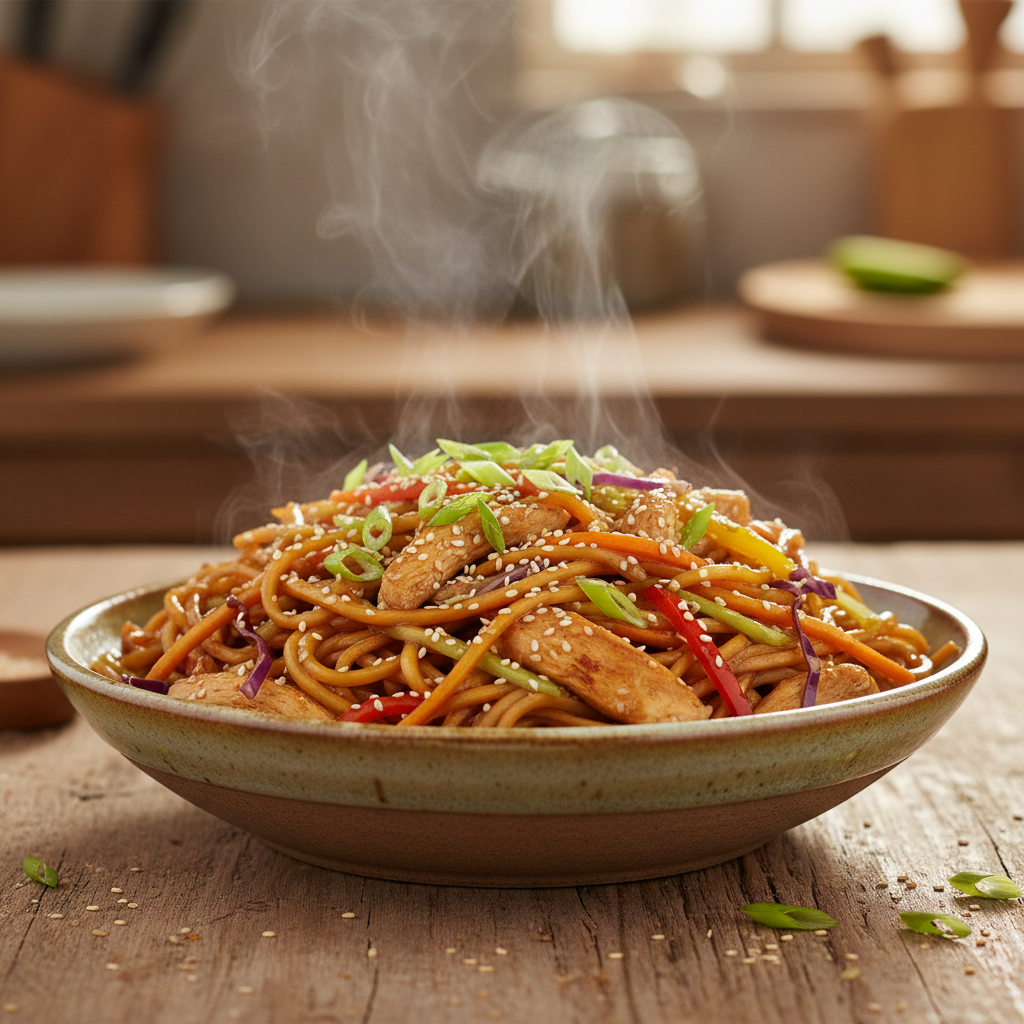
Are you looking for an incredibly easy way to make delicious chicken chow mein? You’ve found it! This chow mein recipe is designed for home cooks, making the entire process enjoyable and stress-free.
Complex recipes can be overwhelming, especially when you want to cook a healthy, tasty meal without losing confidence in the kitchen. Our chicken chow mein recipe solves these challenges by bringing authentic Asian flavors to your table with minimal effort. Get ready to cook with confidence!
Why This Recipe Is So Easy To Follow
- Simple Ingredients: Our recipe calls for items you likely already have, with no obscure ingredients required. This makes our
chow mein recipeaccessible to everyone. - Clear Step-by-Step Guidance: We provide simple, broken-down instructions for clarity. With no guesswork involved, you’ll build your kitchen confidence one easy step at a time.
- Fast Cooking Time: Ready in under 30 minutes, this
chicken chow meinis perfect for a quick family-friendly meal. Say goodbye to stressful meal prep on busy weeknights! - Guaranteed Flavorful Results: Achieve that amazing takeaway taste right at home. Our balanced sauce ensures rich, authentic flavor every single time, making it easy to enjoy a professional-quality meal.
- Beginner-Friendly Techniques: We skip the complicated methods, so you don’t need any special skills or fancy equipment. It’s an approachable home cooking experience for cooks of all levels.
- Practical Tips and Substitutions: Find suggestions to fit your preferences and dietary needs. This allows you to easily adapt the
chow mein recipebased on the pantry staples you have on hand.
At Recipesmondial, we believe cooking should be fun and rewarding. This easy chicken chow mein recipe embodies that philosophy, delivering big on taste without the complexity. Discover more simple dishes with us and transform your mealtime!
Chow mein vs lo mein: What’s the Difference?
When you hear “chow mein” and “lo mein,” you might think they’re the same dish. However, these two classic noodle dishes are actually quite distinct. The main difference comes down to one key thing: how the noodles are prepared. Understanding this will help you appreciate each one even more!
The Noodles: A Tale of Two Textures
The biggest difference between the two dishes starts with the noodles and the way they’re cooked.
- Chow Mein Noodles: These are typically thinner egg noodles, either round or flat. They are par-boiled and then stir-fried to create a delightfully crispy texture. The name “chow mein” fittingly translates to “fried noodles” [1].
- Lo Mein Noodles: In contrast, lo mein uses thicker, chewier egg noodles. These noodles are boiled until fully cooked and tender—they are never fried. This method gives them a softer texture, perfect for absorbing sauce. The term “lo mein” means “tossed noodles” [1].
Cooking Method and Final Dish
Beyond the noodles, the cooking process for the final dish also sets them apart.
- Chow Mein: To make chow mein, the par-boiled noodles are stir-fried in a hot wok until they become crispy, often separately from the other ingredients. This process results in a drier dish where the noodles provide a key textural component and the sauce is typically lighter.
- Lo Mein: With lo mein, the fully boiled noodles are added to the wok near the end of cooking. They are simply tossed with the sauce and other ingredients, allowing the soft noodles to soak up all the flavor. The result is a saucier dish where the noodles themselves are the star.
Quick Comparison
Here is a simple breakdown to help you remember the key differences:
| Feature | Chow Mein | Lo Mein |
|---|---|---|
| Noodle Type | Thinner, often par-boiled | Thicker, chewier |
| Cooking Method | Stir-fried, often pan-fried for crispiness | Boiled, then tossed with sauce |
| Texture | Drier, sometimes crispy, firmer | Softer, chewier, saucier |
| Sauce Amount | Lighter coating on ingredients | Heavier coating on noodles |
Our easy chicken chow mein recipe celebrates this distinction, focusing on creating that satisfying, slightly crispy noodle texture. It delivers a truly flavorful meal that’s much better than takeout, letting you master a beloved global comfort food right in your own kitchen.
What Ingredients Do You Need for Chicken Chow Mein?
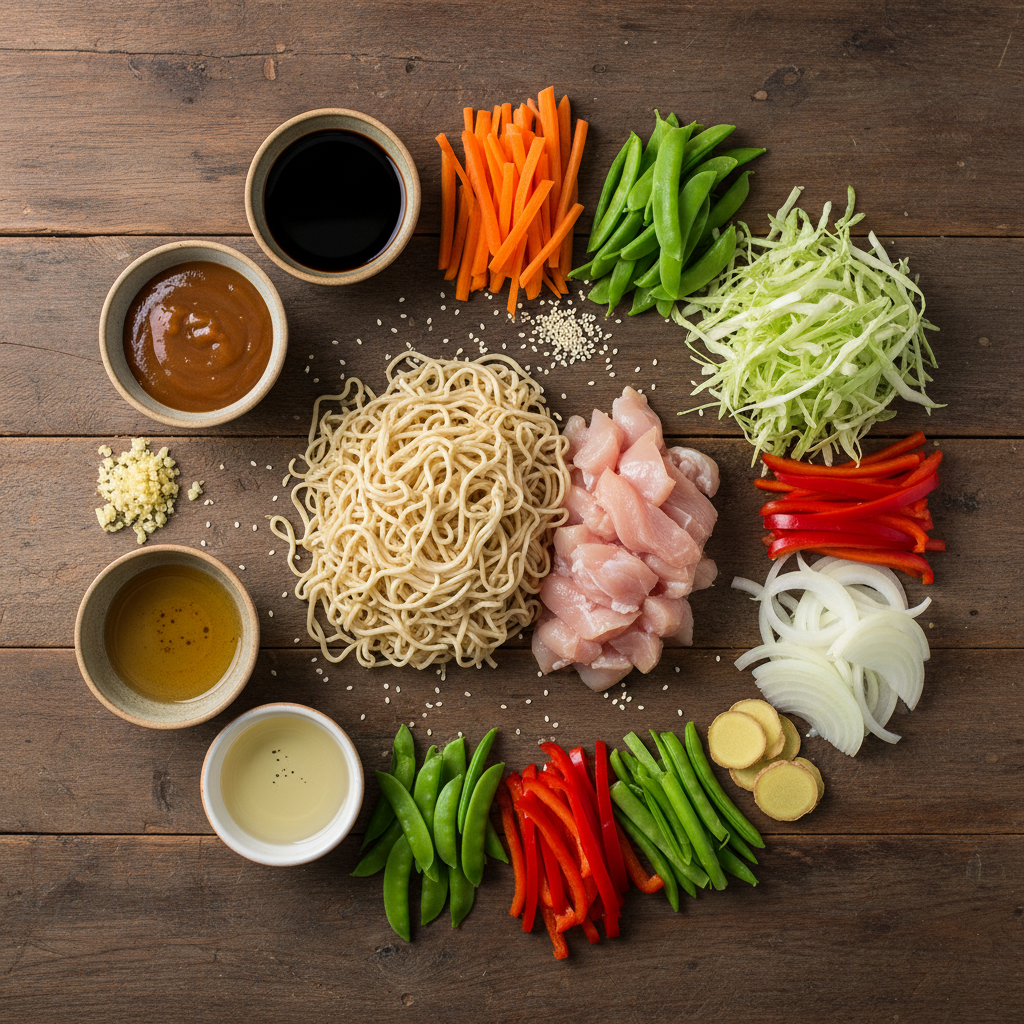
For the Chicken Marinade
Perfectly tender chicken is the key to delicious chicken chow mein, and a quick marinade makes all the difference. This simple step infuses the chicken with flavor and ensures it stays wonderfully juicy.
- Chicken Breast: 1 pound (about 2 large breasts), cut into thin strips.
- Soy Sauce: 1 tablespoon. This adds savory depth.
- Sesame Oil: 1 teaspoon. It provides a lovely nutty aroma.
- Cornstarch: 1 tablespoon. This is our secret to tender, velvety chicken. It also helps the sauce cling.
- White Pepper: 1/4 teaspoon. A classic touch for Asian cooking.
For the Chow Mein Sauce
The sauce gives this chow mein recipe its signature flavor. This blend balances savory, sweet, and umami to give your homemade chicken chow mein that classic takeaway taste. To save time, whisk these ingredients together in a small bowl before you start stir-frying.
- Soy Sauce: 2 tablespoons. This is the base of our savory sauce.
- Dark Soy Sauce: 1 tablespoon. It adds rich color and a subtle sweetness. This is optional but highly recommended for authentic look and flavor.
- Oyster Sauce: 2 tablespoons. This provides a rich, complex umami flavor.
- Granulated Sugar: 1 teaspoon. Just a touch to balance the savory notes.
- Sesame Oil: 1 teaspoon. More aromatic richness for the final dish.
- Chicken Broth or Water: 1/4 cup. This helps create the perfect sauce consistency.
- Cornstarch: 1 teaspoon. It thickens the sauce beautifully.
For the Stir-Fry
Now for the main event! These core components come together quickly for a vibrant and flavorful chow mein. Feel free to swap the vegetables based on what you have on hand to customize your chicken chow mein recipe.
- Chow Mein Noodles: 12 ounces, fresh or dried. Look for thin, egg noodles. Cook them according to package directions until al dente.
- Marinated Chicken: From the marinade section above.
- Cooking Oil: 2 tablespoons, such as vegetable or canola oil. A neutral oil with a high smoke point is best.
- Garlic: 2 cloves, minced. Fresh garlic adds wonderful aroma.
- Fresh Ginger: 1 tablespoon, grated or minced. It provides a warm, spicy kick.
- Yellow Onion: 1/2 medium, thinly sliced.
- Carrots: 1 medium, julienned or thinly sliced.
- Green Cabbage: 2 cups, shredded. This adds great texture and sweetness.
- Bean Sprouts: 1 cup. Add these at the very end for crispness.
- Green Onions: 3, chopped. Use some for cooking and some for garnish.
How to Make Chicken Chow Mein Step-by-Step
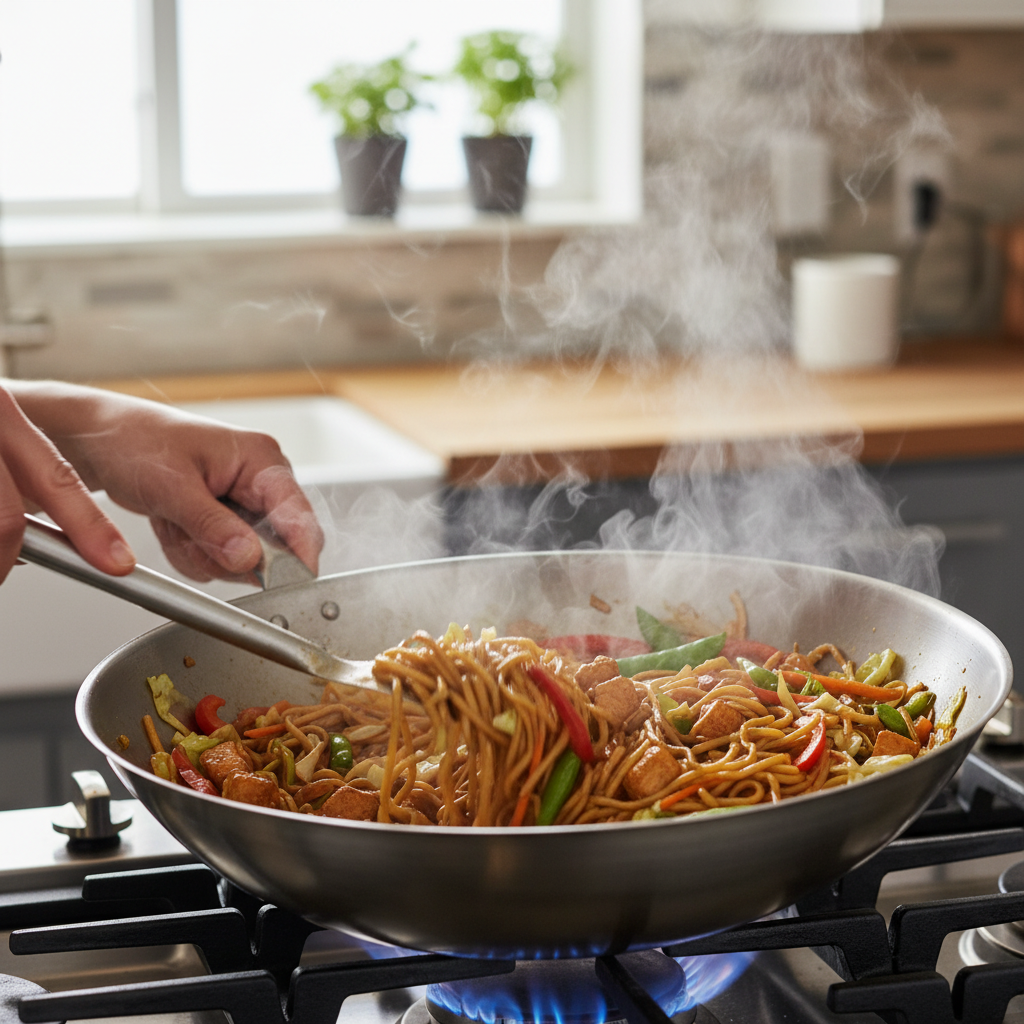
Making homemade chicken chow mein is incredibly rewarding, and you’ll love how simple it is to create this flavorful, family-friendly meal in your own kitchen. Forget complicated cooking—our step-by-step cooking guidance helps you confidently create a dish that tastes better than takeaway. This easy recipe is perfect for anyone who enjoys beginner-friendly recipes.
Here’s how to cook your delicious chicken chow mein recipe:
Prep Work: Marinating & Sauce
-
Marinate the Chicken:
First, cut the chicken breast into thin, bite-sized strips to ensure it cooks quickly and evenly. In a medium bowl, combine the chicken strips with the marinade ingredients:
- 1 tablespoon soy sauce
- 1 teaspoon cornstarch
- 1 teaspoon sesame oil
Toss until the chicken is well coated. Let it marinate for at least 15 minutes, or up to 30 minutes for a deeper flavor. This step is key to getting tender, juicy chicken in your
chow mein! -
Whisk the Chow Mein Sauce:
While the chicken marinates, prepare the
chow mein sauce. In a small bowl or measuring cup, whisk all the sauce ingredients together until smooth:- ¼ cup soy sauce
- 2 tablespoons oyster sauce (or vegetarian mushroom sauce)
- 1 tablespoon dark soy sauce (for color, optional)
- 1 tablespoon rice vinegar
- 1 teaspoon sugar
- ½ teaspoon white pepper
- 1 teaspoon cornstarch
- 2 tablespoons water or chicken broth
Set the sauce aside. Preparing it now will make the final stir-fry process quick and easy.
-
Prepare the Noodles:
Cook the chow mein noodles according to package directions, which usually takes 3-5 minutes. Once done, drain the noodles well and briefly rinse them under cold water to stop the cooking process and prevent sticking. To keep them from clumping, toss them with a quick drizzle of sesame oil.
The Stir-Fry Magic
-
Cook the Chicken:
Heat 1 tablespoon of vegetable oil in a large wok or skillet over high heat. Carefully add the marinated chicken in a single layer. Cook for 2-3 minutes per side until golden brown and cooked through. Remove the chicken from the wok and set it aside; this keeps it juicy.
-
Sauté the Veggies:
Add another tablespoon of oil to the hot wok. Sauté the chopped garlic and ginger for about 30 seconds until fragrant. Add the harder vegetables, like carrots and cabbage, and stir-fry for 2-3 minutes. Follow with the softer vegetables, such as bell peppers and bean sprouts, and cook for another 1-2 minutes until they are tender-crisp and vibrant.
Bringing It All Together
-
Combine Everything:
Return the cooked chicken to the wok along with the sautéed vegetables. Add the prepared noodles, then pour the
chow mein sauceover everything. Using tongs or two spatulas, toss gently but thoroughly to coat all the ingredients evenly. Continue to cook for 1-2 minutes, just until the sauce thickens slightly and infuses every bite with flavor. -
Serve Your Masterpiece:
Transfer the
chicken chow meinto serving plates. Garnish with chopped green onions, if desired, and serve immediately. Enjoy thissimple dinner recipe—aflavorful meal made easythat’s sure to impress!
Helpful Tips for Perfect, Takeaway-Style Results
Making delicious chicken chow mein at home is entirely achievable. With a few simple tricks, you can replicate that irresistible, authentic takeaway flavor and texture. Follow these helpful tips for truly perfect results!
- Master High Heat: This is crucial for authentic chow mein, so use a wok or a large, heavy-bottomed skillet. Get the pan screaming hot before adding oil. This intense heat quickly sears your ingredients, preventing them from steaming and getting soggy. It also helps create “wok hei,” the signature smoky flavor found in great stir-fries. This effect is achieved through the Maillard reaction, which caramelizes the food and adds deep, complex flavor [source: https://www.seriouseats.com/what-is-wok-hei-flavor-why-how-to-do-it-at-home].
- Prep Everything First (Mise en Place): Because stir-frying happens so quickly, you won’t have time to chop or measure once you start. Prepare all your ingredients ahead of time: slice the chicken, chop your vegetables, and mix the chow mein sauce. Having all components ready and within reach ensures the cooking process is smooth and stress-free.
- Don’t Overcrowd Your Pan: Avoid dumping everything into the pan at once, as overcrowding will cause the temperature to drop significantly. When this happens, your ingredients will steam instead of sear. To prevent this, cook the chicken in a single layer first, removing it once browned. Then, stir-fry the vegetables in batches if necessary, combining everything at the very end.
- Perfectly Cooked Noodles: Whether using fresh or dried chow mein noodles, cook them until they are just al dente, meaning they still have a slight bite. Immediately rinse them under cold water to stop the cooking process and prevent them from sticking. Finally, be sure to drain them thoroughly, as any excess water can make the final dish watery.
- Marinate Your Chicken: Don’t skip the marinade—even a short one makes a big difference. A simple mixture of soy sauce, cornstarch, and sesame oil will both tenderize the chicken and add significant flavor. The cornstarch is particularly important for creating a silky texture, a common technique in Chinese cooking.
- The Secret’s in the Sauce (Premixed!): For a perfectly balanced flavor, never add sauce ingredients to the wok individually. Instead, mix your chow mein sauce in a separate bowl beforehand to ensure all the flavors are well blended. Add the premixed sauce all at once near the end of cooking and toss quickly to coat everything. This method guarantees a glossy, flavorful finish without overcooking the other ingredients.
- Taste and Adjust: Before serving, always give your chicken chow mein a final taste. Does it need more salt, a splash more soy sauce, or a dash of white pepper? Adjust the seasoning to your liking—your own taste buds are the ultimate guide to achieving the perfect flavor.
Simple Recipe Variations and Substitutions
Vegetable Chow Mein
Craving a vibrant, plant-based twist on chow mein? This vegetable-packed version is incredibly simple and makes a quick, healthy, and flavorful meal. You can easily adapt our main recipe to be meat-free.
Here’s how to make this variation:
- Omit the Protein: Simply leave the chicken out of the main recipe.
- Load Up on Veggies: Increase the amount and variety of vegetables. We recommend a colorful mix of bell peppers, broccoli florets, sliced carrots, snap peas, mushrooms, and baby bok choy. Feel free to use any vegetables you have on hand.
- Cooking Method: Stir-fry your vegetables until tender-crisp to retain a slight bite. Start with harder vegetables like carrots and broccoli, then add softer ones like mushrooms and bok choy later.
- Add Plant-Based Protein (Optional): To make it more filling, add cubed firm tofu. Be sure to press the tofu first to remove excess water, then pan-fry it until golden before adding it to the stir-fry.
This versatile dish makes meal planning easy and is a great way to add more vegetables to your diet.
Beef or Shrimp Chow Mein
Our chow mein recipe is wonderfully versatile. Simply swap the chicken for beef or shrimp to create a new and satisfying family meal.
Here’s how to switch your protein:
- For Beef Chow Mein:
- Choose Your Cut: Thinly sliced sirloin, flank steak, or even lean ground beef work well.
- Marinade is Key: For tender, flavorful beef, don’t skip the marinade. Use the same marinade from the main recipe to coat your beef slices before cooking.
- Cooking Method: Sear the beef quickly in a hot wok or skillet, working in batches to avoid overcrowding the pan. Once browned, remove the beef and set it aside. Add it back into the wok with the noodles and sauce at the end.
- For Shrimp Chow Mein:
- Prepare the Shrimp: Use peeled and deveined shrimp for this variation. Keep in mind that shrimp cooks very quickly.
- Add Towards the End: Add the shrimp to the wok near the end of the cooking process, after the vegetables are tender-crisp. Stir-fry for just 2-3 minutes, or until they turn pink and opaque.
- Avoid Overcooking: Be careful not to overcook the shrimp, as it can become tough and rubbery.
These simple protein swaps are an easy way to keep dinner exciting without needing a whole new recipe.
Gluten-Free Chow Mein
You can easily adapt this chow mein recipe to be gluten-free. With just a few simple ingredient swaps, it’s a perfect dish for anyone with dietary restrictions or sensitivities.
Here are the key substitutions for a gluten-free version:
- Gluten-Free Noodles: Swap traditional chow mein noodles for a gluten-free alternative.
- Rice Noodles: Wide, flat rice noodles (often used in Pad See Ew) are a popular choice.
- Sweet Potato Noodles: Also known as “glass noodles,” these are naturally gluten-free.
- Certified Gluten-Free Ramen or Spaghetti: Many brands offer certified GF versions. Always check the packaging.
- Tamari for Soy Sauce: Use tamari instead of regular soy sauce. Tamari is a gluten-free alternative that provides the same rich, savory flavor without any wheat.
- Check Other Ingredients: Double-check the labels on all your sauce ingredients, such as oyster sauce or chili garlic sauce, to ensure they are certified gluten-free.
With these easy adjustments, everyone at your table can enjoy this amazing dish.
How to Store and Reheat Leftovers
Love having leftovers from our easy chicken chow mein recipe? Proper storage and reheating are essential to keep your meal delicious and safe. Follow these tips to enjoy your chow mein for days, even when you’re busy.
Storing Your Chicken Chow Mein Safely
To keep your chow mein fresh, follow these simple storage steps.
- Cool Down Quickly: After cooking, let the chow mein cool down. To prevent bacteria growth, don’t leave it at room temperature for more than two hours.
- Airtight Containers are Key: Transfer the cooled chow mein into airtight containers. This locks in moisture and prevents it from absorbing odors from other foods.
- Refrigeration: Store the sealed containers in the refrigerator. Your chow mein will stay fresh for 3 to 4 days [2].
Reheating Your Leftover Chow Mein for Best Flavor
The right reheating method is the secret to leftovers that taste just as good the next day. To get tender noodles and juicy chicken, try one of these two simple approaches.
Stovetop Method (Recommended for Best Texture)
For the best texture, we recommend using the stovetop. This method helps prevent the noodles from becoming mushy.
- Warm a Pan: Heat a large non-stick skillet or wok over medium heat. Add about a teaspoon of oil.
- Add Chow Mein: Place your leftover chow mein into the hot pan.
- Add Moisture: If the chow mein looks dry, add 1-2 tablespoons of water or chicken broth to rehydrate the noodles and sauce.
- Stir and Heat: Stir-fry for 5–7 minutes, breaking up any clumps of noodles. Continue heating until the chicken is hot all the way through and the noodles are tender.
Microwave Method (Quick & Easy)
When you’re short on time, the microwave is a great option. The texture will be a bit softer, but it’s fast and convenient.
- Portion Out: Place a single serving of chow mein in a microwave-safe dish.
- Add Moisture: Sprinkle 1-2 tablespoons of water or chicken broth over the top to help it steam.
- Cover and Heat: Cover the dish with a microwave-safe lid or a damp paper towel to trap moisture.
- Reheat in Intervals: Microwave on high for 1-2 minutes, then stir. Continue heating in 30-second bursts until it’s piping hot.
Tips for Perfectly Reheated Chow Mein
No matter which method you choose, keep these tips in mind for the best results.
- Don’t Overheat: Heating for too long can make the noodles mushy and the chicken tough. Heat just until it’s warmed through.
- Add Fresh Veggies: To add a fresh crunch, toss in a handful of spinach or bean sprouts during the last minute of stovetop reheating.
- Stir Frequently: Stirring is key for even heating, both on the stovetop and in the microwave.
- Check Temperature: For safety, make sure your leftovers reach an internal temperature of 165°F (74°C).
By following these simple storage and reheating tips, you can enjoy your delicious chicken chow mein for days. Recipesmondial is here to help you make flavorful meals with confidence.
Frequently Asked Questions About Chow Mein
How to make chicken chow mein like the takeaway?
Creating authentic, takeaway-style chicken chow mein at home is simpler than you think! The secret to achieving that wonderful balance of flavor and texture lies in a few key steps. While many home cooks feel overwhelmed by complex recipes, this approach makes it an easy and enjoyable process.
- Use a Wok or Large Skillet: High heat is crucial for a proper stir-fry. A wok distributes heat evenly, cooking ingredients quickly and ensuring your vegetables stay crisp.
- High Heat Stir-Frying: To prevent the pan from overcrowding and lowering the temperature, cook your ingredients in batches. This ensures everything stir-fries properly instead of steaming. Remember to work quickly!
- Perfectly Cooked Noodles: For that signature chewy texture, par-boil your noodles until just tender. Immediately drain and rinse them under cold water to stop the cooking process and prevent them from sticking together.
- Flavorful Sauce: A well-balanced sauce that coats every ingredient is essential. Our chow mein recipe offers a simple, step-by-step guide to ensure a rich flavor without being overly complicated.
- Fresh Ingredients: Using fresh chicken and crisp vegetables makes a significant difference in the final taste. This is a foundational part of creating flavorful meals made easy.
By focusing on these elements, you can master a delicious, family-friendly meal without the stress. This approachable home cooking method will have you cooking with confidence in no time.
What is in chow mein sauce?
The magic of a great chow mein lies in its savory, balanced sauce. Our chicken chow mein recipe uses common pantry staples, making it a perfect beginner-friendly recipe. Here are the key components of a classic chow mein sauce:
- Soy Sauce: This provides the fundamental salty and umami base. We recommend using both light soy sauce for saltiness and dark soy sauce for a richer color and subtle sweetness.
- Oyster Sauce: This ingredient adds depth, sweetness, and a lovely glossy finish. For a vegetarian option, a mushroom-based oyster sauce is an excellent substitution.
- Sesame Oil: Add a drizzle of toasted sesame oil near the end of cooking for its unmistakable nutty aroma and distinctive flavor.
- Sugar: A small amount of sugar balances the saltiness of the soy sauce and enhances the overall flavor profile for a harmonious taste.
- Cornstarch Slurry: A simple mixture of cornstarch and water thickens the sauce, helping it cling to the noodles and other ingredients for a flavorful bite every time.
- Shaoxing Wine (Optional): A secret ingredient in many authentic Chinese dishes, this rice wine adds a unique aromatic depth. If you don’t have it, you can omit it or substitute a dry sherry.
Combining these ingredients creates a quick and reliable sauce for delicious family-friendly meals. You’ll find all the inspiration you need for creative, flavorful meals right here.
What kind of noodles are best for chow mein?
For a truly authentic chow mein experience, selecting the right noodles is important. We recommend using fresh or dried Chinese egg noodles, as their classic chewy texture is ideal for the stir-frying technique and a core part of approachable home cooking.
- Fresh Chinese Egg Noodles: Often found in the refrigerated section of Asian grocery stores, these thin, chewy noodles cook quickly and are excellent for stir-frying.
- Dried Egg Noodles: If you can’t find fresh ones, dried egg noodles are a great alternative. Look for thin or medium-thin varieties, sometimes labeled as “chow mein noodles” or “Hong Kong style noodles.”
- Pre-cooked Chow Mein Noodles: For maximum convenience, some stores offer pre-cooked, vacuum-sealed noodles. They require minimal preparation, making them perfect for quick meals and easy lunches.
No matter which you choose, the key is to par-boil them until just al dente. They will finish cooking in the wok with the sauce, allowing them to absorb all the delicious flavors. This step-by-step guidance helps you achieve perfect results every time.
Can I use a chow mein packet sauce?
Yes, you can certainly use a chow mein packet sauce for convenience. These packets are a quick meal solution designed to simplify the cooking process, and they can be a lifesaver when you need a fast dinner.
However, for the best flavor and control, we encourage making your own sauce. Our easy chicken chow mein recipe features a homemade sauce with simple ingredients, which ensures a fresh, vibrant taste. Making it yourself also allows you to adjust the sweetness, saltiness, and spice to your liking—a level of customization packet sauces often lack.
Preparing your own sauce is a beginner-friendly step that builds cooking confidence, and you’ll be surprised how easy it is. Plus, you’ll avoid the artificial additives often found in pre-made products. You’ll enjoy cooking without stress and truly taste the difference. At Recipesmondial, we aim to make flavorful meals easy, and our homemade sauce recipe aligns perfectly with that goal.
Leave a Reply