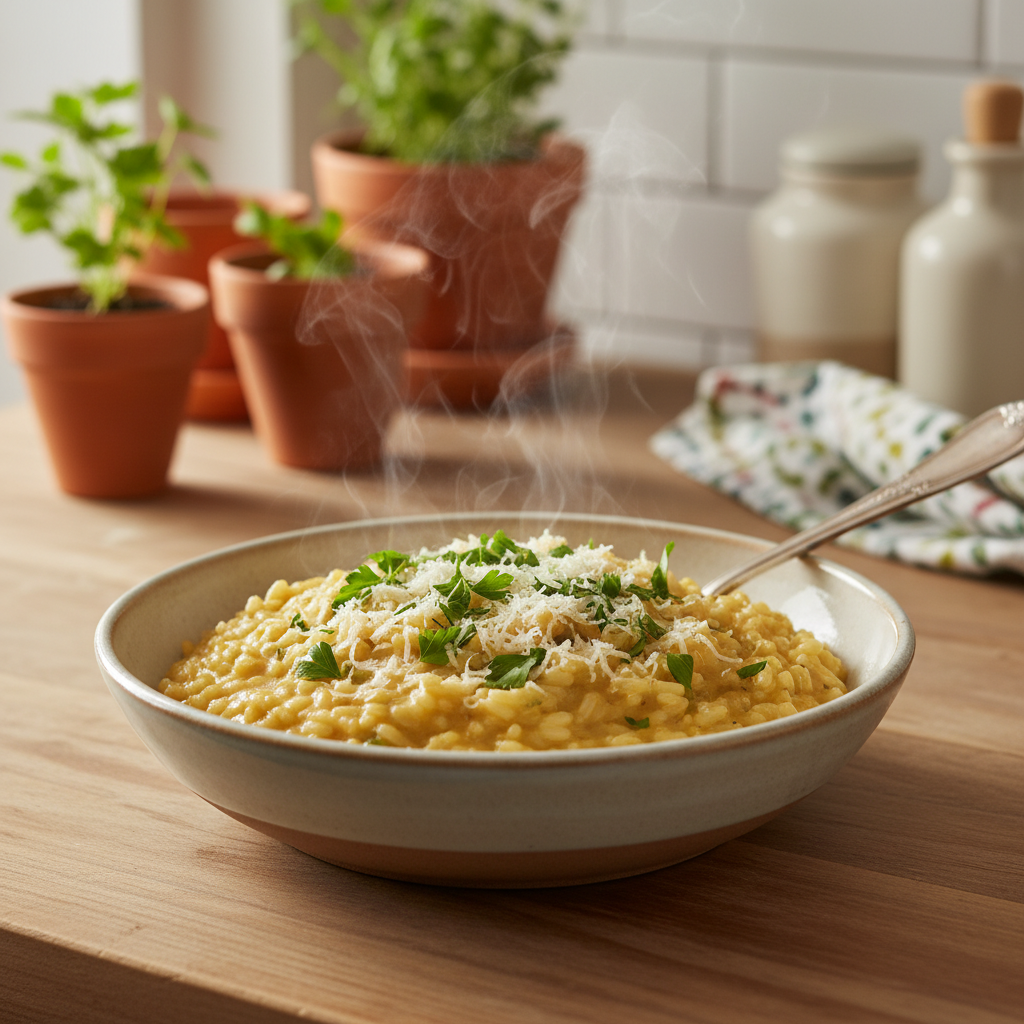
Risotto is a classic Northern Italian rice dish cooked slowly with broth until it becomes creamy and velvety. Its signature creamy texture comes not from cream, but from the starch released by short-grain, high-starch rice varieties like Arborio or Carnaroli as they are stirred during cooking.
Imagine a rich, creamy bowl of risotto, with each spoonful melting in your mouth. That’s the magic of this classic Italian dish. For many home cooks, however, risotto can feel intimidating. It has a reputation for requiring constant stirring and precise timing. Perhaps you’ve been overwhelmed by complex recipes or unsure how to create healthy, tasty meals that impress. But what if we told you that making a delicious risotto is far simpler than you think, even for beginners?
At Recipesmondial, we believe amazing food shouldn’t require culinary school. Our mission is to make approachable home cooking a joyful experience, turning simple dinner recipes into triumphs. This guide will empower you with step-by-step guidance to build your confidence and skills. You will discover how easy it is to create flavorful, family-friendly meals, transforming meal prep from a chore into a fun kitchen adventure.
We’ll skip the complicated jargon and get straight to what works. This guide covers everything you need to know, from selecting the right risotto rice to mastering the techniques for that signature creamy texture. Soon, you’ll be impressing yourself and your loved ones with flavorful meals made easy. Let’s dive in and start with the heart of the dish.
What Makes a Perfect Risotto?
Imagine a dish that’s wonderfully creamy, incredibly flavorful, and deeply comforting. That’s the magic of a perfect risotto! This classic Italian rice dish feels both elegant and incredibly homey.
Achieving this perfection isn’t complicated, even for beginners. The secret lies in two things: patient cooking and the right ingredients. The process involves gently stirring a special, starchy rice with warm broth. This slow stirring releases the rice’s natural starches, which is what creates that signature luxurious texture.
So, what truly sets a perfect risotto apart? Here are the key elements you’ll want to achieve with our easy recipes:
- Creamy Texture: The hallmark of great risotto is its unbelievably creamy texture. It should flow softly, almost like a thick soup, yet still hold its shape on a plate. This creaminess comes from the rice’s starch, which naturally thickens the broth and other liquids.
- Al Dente Rice: While incredibly creamy, the individual rice grains should remain distinct. Each one needs a slight, pleasant chew at its very center. This texture is called ‘al dente,’ which means ‘to the tooth’ in Italian, offering a satisfying bite without being hard.
- Rich, Balanced Flavor: A perfect risotto bursts with deep, savory flavors. These come from high-quality broth, a splash of white wine, and fresh aromatics like onion and garlic. Each ingredient should blend together to create one harmonious taste.
- Just the Right Consistency (All’onda): It should never be too soupy or too stiff. Instead, it should flow like a gentle wave when you tilt the plate. This ideal consistency is known as *all’onda*, which means ‘on the wave’ in Italian—the true sign of a perfectly cooked risotto.
- Freshness: Risotto is best enjoyed the moment it’s made. Its delicate texture and comforting warmth are at their absolute peak when served immediately.
Once you master these key elements, you can create delicious risotto for your family with confidence. This approachable dish is a fantastic way to build your skills and feel more at home in the kitchen!
What kind of rice is used in risotto?
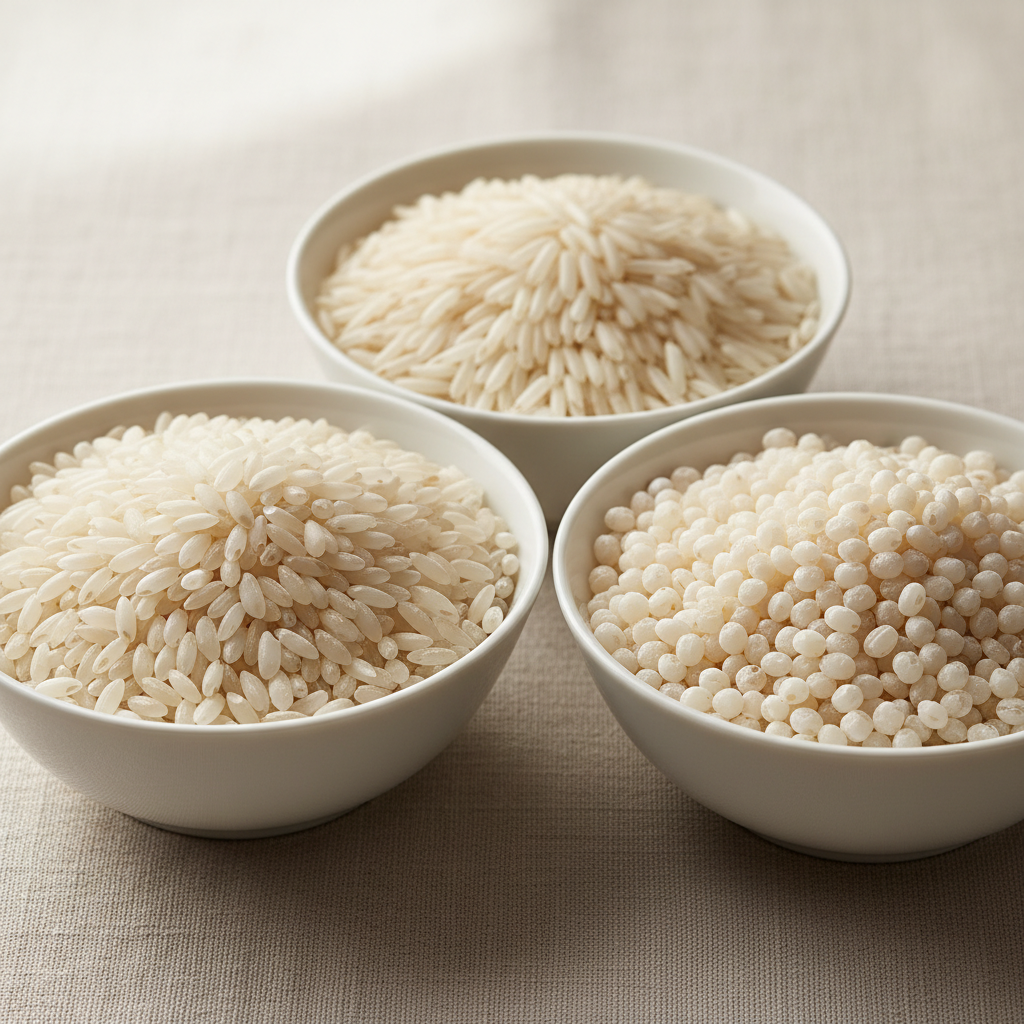
Arborio: The Go-To Risotto Rice
When you first make risotto, you’ll most likely encounter Arborio rice. It’s the go-to choice for many home cooks for a few key reasons.
- Easy to find: Arborio is available in most grocery stores, making it a perfect starting point for beginner-friendly recipes.
- Creamy texture: This plump, oval-shaped short-grain rice is packed with a starch called amylopectin. As you stir the risotto, this starch is released, creating the classic creamy consistency.
- Absorbs flavor well: Arborio soaks up broth and seasonings effectively, delivering a rich and flavorful meal.
Because of these qualities, Arborio is a reliable choice for successful, flavorful risotto and other simple dinner recipes.
Carnaroli: The ‘King’ of Risotto Rice
If you’re ready to elevate your risotto, consider Carnaroli. Many professional chefs refer to it as the “King of Risotto Rice.”
- Superior texture: As a medium-grain rice, Carnaroli has a higher amylose content than Arborio. This structure helps the grains hold their shape well during cooking, resulting in a distinct al dente bite.
- Extra creamy: Despite its firmness, Carnaroli releases plenty of starch, which creates a very creamy risotto without becoming mushy.
- Rich flavor absorption: This rice excels at absorbing liquids and flavors, making every bite exceptionally rich.
While it can be pricier and harder to find, Carnaroli is worth the effort for a restaurant-quality dish at home [1].
Vialone Nano: For a Softer Texture
Vialone Nano is another excellent but lesser-known option for risotto. It offers a different texture that is just as appealing.
- Smaller grain: A short-grain variety, Vialone Nano is noticeably smaller and rounder than Arborio or Carnaroli.
- Quick absorption: Its grains absorb liquid more quickly than other varieties, which can shorten the overall cooking time.
- Softer, creamier result: The final dish is very creamy with a softer, almost soupy consistency. This texture makes it a preferred choice for delicate seafood risottos and vegetable dishes.
Choose Vialone Nano if you want a risotto with a lighter, looser texture, which is ideal for exploring different flavors and cooking styles.
Can I Make Risotto with Normal Rice?
A common question, especially for those budget cooking, is whether regular rice can be used for risotto. The short answer is no—at least not if you want an authentic, creamy result.
- Lack of starch: Standard long-grain rice, such as jasmine or basmati, has much less surface starch, which is essential for creating risotto’s signature creamy sauce.
- Mushy texture: Instead of absorbing liquid gradually, these grains tend to become mushy and lose their individual shape.
- Different cooking properties: The unique starch in risotto rice allows it to release creaminess while the grain itself remains firm in the center (al dente). Regular rice cannot do this.
For the best risotto experience, it is essential to use a specialized Italian rice variety. Using the correct type ensures a creamy texture and reliable results, helping you avoid the frustration of a dish that doesn’t turn out as expected, which can feel like an overly complex recipe.
Essential Ingredients for a Basic Risotto Recipe

The Rice
The star of any amazing risotto is the rice. Choosing the right grain is crucial for achieving that signature creamy texture, making it a key step in creating truly flavorful meals made easy.
- Arborio Rice: As the most common choice, this is perfect for beginner-friendly recipes. Arborio grains are plump, absorb liquid beautifully, and release starch as they cook to create a lovely creamy sauce.
- Carnaroli Rice: Often called the “king of risotto rice,” Carnaroli offers an even creamier result while holding its shape wonderfully.
- Vialone Nano Rice: This smaller grain cooks a bit faster and yields a slightly softer, very creamy risotto.
Avoid using long-grain white rice for risotto, as it won’t release enough starch for the desired creaminess. For the best outcome, stick to these specific risotto rice varieties.
The Broth
Broth is more than just liquid in risotto; it’s a primary source of flavor. For the best taste, always use a good-quality broth. It’s what transforms your simple dinner recipes into something special.
- Chicken Broth: A classic choice, chicken broth adds a rich, savory depth that pairs well with many ingredients.
- Vegetable Broth: For a vegetarian or vegan risotto, vegetable broth is essential. Choose a low-sodium option to better control the saltiness.
Pro Tip: Always keep your broth warm in a separate pot on the stove. Adding cold broth to the hot rice can shock it, which slows the cooking process and prevents the grains from absorbing liquid evenly. This simple trick ensures a consistently creamy finish.
The Aromatics (Onion & Garlic)
These humble ingredients form the aromatic foundation of your risotto, providing the initial burst of flavor. They are vital for adding depth to any easy recipe. A classic risotto starts with finely diced onion and sometimes garlic.
- Onion: Finely chop half a medium onion. You want it to almost disappear into the rice as it cooks, adding a subtle sweetness and depth.
- Garlic: One or two cloves of minced garlic can enhance the flavor. Be sure to add it after the onion softens to prevent it from burning.
Sautéing these ingredients gently until translucent releases their wonderful aromas and creates a welcoming base for the rice. This step-by-step cooking guidance ensures you build flavor from the very beginning.
The Fat (Butter & Olive Oil)
Fat plays a dual role in risotto: it’s used for both sautéing and for richness. Butter and olive oil each bring unique qualities to the dish.
- Olive Oil: Start with a good-quality extra virgin olive oil. It’s perfect for sautéing the aromatics and toasting the rice, providing a light, fruity base.
- Unsalted Butter: Butter is added later for richness and creaminess, contributing to the dish’s luxurious final texture. Using unsalted butter also lets you control the seasoning.
Together, they create a silky, smooth mouthfeel that makes your risotto feel truly indulgent. This small detail makes a big difference in approachable home cooking.
The Wine (Optional but Recommended)
Adding wine is a traditional step that enhances the risotto’s complexity and elevates family-friendly meals. However, this step is optional. If you prefer not to use wine, simply use a little more broth instead.
- Dry White Wine: A dry white wine, like Pinot Grigio or Sauvignon Blanc, is ideal. It adds a bright acidity that helps deglaze the pan and balances the richness of the butter and cheese.
The alcohol cooks off completely, leaving behind a wonderful, nuanced flavor that makes the dish more sophisticated. It’s a great way to discover new simple dishes and build confidence in the kitchen.
The Finishers (Parmesan & Butter)
The final touches, stirred in right at the end, make all the difference in achieving a perfectly creamy risotto. This process, called “mantecatura,” is essential for a truly flavorful meal made easy.
- Freshly Grated Parmesan Cheese: Use high-quality Parmesan or Pecorino Romano. The cheese melts into the rice, adding a salty, umami depth and incredible creaminess. Avoid pre-grated cheese, which often contains anti-caking agents that can ruin the texture.
- Cold Unsalted Butter: Stirring in a final knob of cold butter off the heat allows it to emulsify with the rice’s starches and the broth. This is the key to a glossy, velvety-smooth finish.
These finishers are the secret to a dreamy, restaurant-quality risotto, helping to transform simple ingredients into delicious, visually appealing meals at home.
How to Make Simple & Creamy Risotto: A Step-by-Step Guide

Step 1: Prepare Your Ingredients (Mise en Place)
Preparing all your ingredients before you start is a game-changer. This practice, known by the French term “Mise en Place” (everything in its place), helps you cook with confidence and makes the process more enjoyable.
Gathering and prepping everything beforehand prevents any last-minute scrambling. This is a fantastic habit for beginner-friendly recipes and a key part of our meal prep tips.
- Warm the broth: Pour the chicken or vegetable broth into a saucepan and gently heat it over low heat. It should be hot but not boiling. Keeping the broth warm helps the risotto cook evenly.
- Dice the onion: Finely chop one small to medium onion.
- Mince the garlic: Peel and finely mince 2-3 cloves of garlic.
- Measure the rice: You’ll need 1 cup (180-200g) of Arborio or Carnaroli rice.
- Grate the cheese: Grate ½ cup of fresh Parmesan and set it aside.
- Prepare the butter: Cut 2 tablespoons of unsalted butter into small cubes.
- Measure the wine (optional): Pour ½ cup of dry white wine, such as Pinot Grigio or Sauvignon Blanc.
Step 2: Sauté the Aromatics
This step builds the first layer of flavor for your risotto. Your kitchen is about to start smelling amazing!
- Place a large, heavy-bottomed pot or a Dutch oven over medium heat.
- Add 1 tablespoon of olive oil and 1 tablespoon of butter.
- Once the butter has melted and the oil shimmers, add the finely diced onion.
- Sauté the onion for 5-7 minutes, stirring occasionally, until it becomes soft and translucent. Be careful not to let it brown.
- Stir in the minced garlic and cook for one more minute until fragrant. Watch it closely, as burnt garlic tastes bitter.
Step 3: Toast the Rice (Tostatura)
Next is “Tostatura,” the Italian term for toasting the rice. This is a crucial step for achieving the perfect risotto texture. Toasting helps each grain absorb liquid more slowly, which prevents it from becoming mushy and ensures a wonderful ‘al dente’ bite.
- Add the risotto rice to the pot with the onions and garlic.
- Stir constantly for 2-3 minutes to coat each grain.
- You’ll know it’s ready when the edges of the rice grains look translucent, but the centers remain white and opaque.
- Toasting also brings out a pleasant, nutty flavor. It’s a simple technique that makes a big difference.
Step 4: Deglaze with Wine
Deglazing with wine adds a rich depth of flavor and helps lift any tasty bits of food stuck to the bottom of the pot. This little trick is a secret to flavorful meals made easy.
- Pour the white wine into the pot.
- Stir continuously as the wine bubbles and evaporates, which should happen quickly.
- Continue stirring until the wine is fully absorbed and no liquid pools at the bottom of the pot.
- Quick Tip: If you prefer not to use wine, you can skip this step. Just add an extra ½ cup of warm broth in the next step instead.
Step 5: Gradually Add Warm Broth
This step is the heart of making risotto, and patience is key. By adding broth slowly, you are coaxing the starches out of the rice, which creates its signature creamy texture. This is a fundamental technique in basic cooking skills.
- Add one ladleful (about ½ cup) of the warm broth to the rice.
- Stir gently but constantly until the broth is almost completely absorbed by the rice.
- Once the liquid is absorbed, add another ladleful of broth.
- Repeat this process—adding one ladleful of broth at a time and stirring until it’s absorbed—for about 18-25 minutes.
- Taste the rice periodically. It’s ready when it’s creamy but still has a slight bite in the center (known as “al dente”).
- You may not use all the broth, or you might need a bit more. The goal is a creamy consistency, not a soupy one.
Step 6: The Final Stir (Mantecatura)
The final step, “Mantecatura,” is how you achieve an incredibly rich and creamy finish. This technique brings all the flavors together and gives the risotto its classic velvety texture.
- Once the risotto is al dente, remove the pot from the heat.
- Add the remaining 1 tablespoon of cubed butter.
- Stir in the grated Parmesan cheese.
- Stir vigorously for about 30 seconds. This action emulsifies the butter and cheese with the starch from the rice, creating a beautiful, velvety sauce.
- Cover the pot and let it rest for 2-3 minutes. This allows the flavors to meld and makes the risotto even creamier.
- Serve the risotto immediately. Garnish with extra Parmesan and fresh parsley, if desired.
Top Tips for Foolproof Risotto
Always Use Warm Broth
One of the most important secrets to a truly creamy risotto is using warm broth. This simple step makes a huge difference. Adding cold broth to hot rice instantly drops the pan’s temperature, which shocks the rice kernels. As a result, the cooking process slows down and becomes uneven.
In contrast, warm broth helps the rice cook consistently and encourages a smooth release of starches. This process is what creates that lovely, velvety texture. Keep your broth at a gentle simmer in a separate pot, and ladle it in gradually as needed. This technique ensures your risotto cooks beautifully every time.
Stir Constantly, but Gently
Consistent, gentle stirring is essential for a great risotto. The constant movement causes the rice grains to rub against each other, which releases their natural starches. These starches create the creamy, luscious texture of an authentic risotto. Without enough stirring, your dish might end up sticky or less creamy.
However, avoid stirring too aggressively. Too much force can break down the delicate rice grains, resulting in a mushy texture instead of a perfectly al dente bite. Think of it as a gentle, continuous motion. Mastering this simple technique will help you achieve perfect results and boost your confidence in the kitchen.
Don’t Rush the Process
Patience is essential when making risotto. While it isn’t a quick meal, the results are incredibly satisfying. Rushing can lead to an undercooked or unevenly textured dish. The gradual addition of warm broth is key, as it allows the rice to slowly absorb the liquid, building flavor and creaminess layer by layer.
Plan on about 20-30 minutes for the cooking stage, and try to enjoy the process. By taking your time to stir and add the broth ladle by ladle, you ensure each grain is cooked perfectly to the ideal al dente texture. Remember, good things come to those who wait—especially a delicious risotto.
Taste As You Go
Tasting your risotto throughout the cooking process is crucial for achieving the best results. This simple tip allows you to adjust flavors and monitor the texture for perfect doneness. Start tasting the rice about 15 minutes after you begin adding broth. You’re looking for a tender bite with a slight firmness in the center, also known as ‘al dente’.
This is also your chance to check the seasoning. Since your broth likely contains salt, add any extra salt and pepper carefully. You can also add more cheese at the end if you like. Adjust as you go to create a balanced, flavorful dish. This final step is key to making a perfect risotto every time.
Easy Risotto Recipe Variations to Try Next
Mushroom Risotto
Once you master the basic risotto, an easy mushroom risotto recipe is a popular next step. It’s a classic for a reason, offering an incredible depth of flavor and an earthy aroma that elevates any simple dinner.
Here’s how to create this delightful variation:
- Key Ingredients: Use fresh mushrooms like cremini, shiitake, or a mix of wild varieties. A little garlic and fresh thyme will also enhance the flavor.
- Preparation: Start by sautéing sliced mushrooms in a separate pan until golden brown. This crucial step concentrates their flavor. Remove them from the pan and set aside.
- Cooking Adjustments: Follow the basic risotto steps: sauté your aromatics, toast the rice, deglaze with white wine, and then gradually add warm broth.
- Adding the Mushrooms: Stir the sautéed mushrooms back into the risotto during the last 5 minutes of cooking to prevent them from becoming rubbery.
- Flavor Boost: For extra richness, use mushroom broth instead of chicken or vegetable broth. A sprinkle of fresh parsley at the end adds a bright finish.
Chicken Risotto
For a hearty, protein-packed meal, chicken risotto is a fantastic choice. This family-friendly dish is both comforting and satisfying. It’s also perfect for using leftover chicken, making it a quick weeknight meal.
Here’s how to make a delicious chicken risotto:
- Key Ingredients: You’ll need cooked chicken—shredded rotisserie chicken is a great shortcut. Fresh or frozen peas and a touch of lemon zest are also excellent additions.
- Preparation: If using raw chicken, cut it into small, bite-sized pieces. Sauté the pieces in olive oil until cooked through, then set the chicken aside.
- Cooking Adjustments: Follow the standard risotto cooking method. Make sure your broth is warm before you begin.
- Incorporating Chicken and Peas: Stir in the cooked chicken and peas during the last 5-7 minutes of cooking. This gives them enough time to warm through completely.
- Serving Tip: A squeeze of fresh lemon juice at the end brightens all the flavors and cuts through the richness of the dish beautifully.
Vegetarian Risotto with Spring Vegetables
A vibrant vegetarian risotto is the perfect way to enjoy the freshness of the season. This healthy and balanced dish is ideal for lighter dining, offering a beautiful mix of colors and textures.
Here’s how to bring spring to your plate:
- Key Ingredients: Choose tender spring vegetables like asparagus, peas, and fresh spinach. Lemon zest and fresh mint or basil add a wonderful aroma.
- Preparation: To prepare the vegetables, blanch the asparagus and peas in boiling water, then plunge them into an ice bath. This preserves their vibrant color and crisp texture. Chop the asparagus into small pieces.
- Cooking Adjustments: Use vegetable broth for this recipe and follow the standard risotto method.
- Adding Vegetables: Stir in the blanched asparagus and peas during the final 3-5 minutes of cooking. Add fresh spinach at the very end, as the residual heat will wilt it perfectly.
- Finishing Touch: A generous amount of lemon zest and a handful of chopped fresh herbs elevate this dish, making it truly taste like spring.
Seafood Risotto
For a touch of elegance, try a seafood risotto. This impressive dish might seem fancy, but it’s surprisingly simple to prepare. It’s a wonderful option for a special occasion or any time you want an extraordinary meal.
Here’s how to create a stunning seafood risotto:
- Key Ingredients: Select your favorite seafood, such as shrimp, scallops, calamari, or mussels. A good dry white wine and fresh parsley are also essential.
- Preparation: Gently sauté the seafood in a separate pan with a little olive oil. Cook just until opaque (or until mussels open) to avoid overcooking. Remove the seafood and set it aside.
- Cooking Adjustments: Use fish stock or a light vegetable broth if possible. Follow the basic risotto steps, including deglazing the pan with white wine.
- Integrating Seafood: Stir the cooked seafood into the risotto during the last 2-3 minutes of cooking. This gently warms it through without overcooking, ensuring it remains tender.
- Pro Tip: Garnish with plenty of fresh, chopped parsley. This adds a burst of fresh flavor and creates a beautiful presentation.
Frequently Asked Questions About Risotto
Is risotto more healthy than rice?
Risotto generally contains more calories and fat than plain steamed rice. This is because it’s enriched with ingredients like butter, broth, and cheese, while plain rice is typically just cooked with water.
Here’s a simple comparison:
- Plain Rice: Consists of rice and water, offering simple carbohydrates for energy.
- Risotto: Starts with rice but adds butter, wine, broth, and Parmesan cheese. These ingredients are what create its famously rich flavor and creamy texture.
However, you can easily make a healthier risotto. Try reducing the amount of butter and cheese, and boost its nutritional value by adding plenty of vegetables like mushrooms, spinach, or asparagus. This can turn it into a well-rounded and flavorful meal.
At Recipesmondial, we believe enjoyment is key to home cooking. So while plain rice is lower in calories, a homemade risotto packed with vegetables can be a wonderful part of a balanced diet. It’s all about preparation and balance.
Can I make risotto with normal rice?
While you can technically use regular long-grain rice, it won’t produce the classic creamy texture of a true risotto. The type of rice you use is critical for getting the right result.
Here’s why:
- High Starch Content: Risotto rice like Arborio and Carnaroli has a high content of a starch called amylopectin. As you stir the rice and add liquid, this starch releases and creates the signature creamy, velvety sauce.
- Slow Absorption: The grains are also great at absorbing liquid slowly without becoming mushy. This allows them to cook to a perfect al dente texture.
Regular long-grain rice, like basmati or jasmine, has much less of this starch. It will absorb the broth but won’t create that creamy consistency. Instead, you’ll end up with a dish that’s more like a pilaf. For authentic results, using proper risotto rice makes all the difference.
What is traditional risotto rice?
To make an authentic, creamy risotto, you need to use a specific type of short- to medium-grain rice. These varieties have the high starch content required for a creamy texture and the ability to absorb liquids while remaining firm, or “al dente.”
Here are the top traditional risotto rice types:
- Arborio: The most widely available risotto rice, making it a popular choice for beginner-friendly recipes. Its large, plump grains release a lot of starch, producing a very creamy risotto. It’s a great starting point for anyone new to making the dish.
- Carnaroli: Often called the “king of risotto rice,” Carnaroli has longer grains and an even higher starch content than Arborio. It creates an exceptionally creamy texture while the grains hold their shape beautifully. Many chefs prefer it for its reliable results.
- Vialone Nano: With shorter, plumper grains, Vialone Nano cooks a bit faster than the others. It produces a very creamy risotto with a slightly softer finish and is a favorite for seafood dishes.
Choosing the right rice is the most important step for achieving that signature creamy texture. It ensures your risotto will turn out perfectly every time.
What wine is best to use in risotto?
A dry white wine is a classic ingredient in risotto for a reason. It adds a fantastic depth of flavor and a touch of acidity that cuts through the richness of the dish.
Here’s what you should look for:
- Dry White Wine: Opt for a crisp, unoaked wine. Good choices include Pinot Grigio, Sauvignon Blanc, or a dry Vermouth. The alcohol cooks off during cooking, leaving behind a subtle flavor that enhances the dish.
- Pro Tip: Follow the golden rule of cooking with wine: if you wouldn’t drink it, don’t cook with it. A low-quality wine will not improve with cooking.
And here’s what to avoid:
- Sweet Wines: Avoid sweet wines like Moscato or a sweet Riesling, as they will make your risotto taste sugary.
- Red Wines: Unless a specific recipe calls for it (like a Barolo risotto), it’s best to avoid red wine. It will dramatically change the dish’s color and intended flavor.
If you prefer to cook without alcohol, you can easily skip the wine. Simply substitute it with an equal amount of warm broth. Your risotto will still be delicious and full of flavor.
Leave a Reply