
A classic beef stew recipe combines chunks of beef (like chuck roast) seared for flavor, then slow-simmered in a rich beef broth with hearty vegetables such as potatoes, carrots, onions, and celery. The long, slow cooking process makes the beef incredibly tender and develops a deep, savory gravy, creating a perfect one-pot comfort meal.
Is there anything more comforting than a simmering pot of hearty beef stew on a chilly evening? We think not! While many of us crave that cozy meal, the thought of complex recipes can feel overwhelming, especially when planning family-friendly meals. At Recipesmondial, we’re here to change that. We’ve developed the ultimate, approachable beef stew recipe designed to help you create delicious, comforting dishes with confidence and ease. Our goal is to make your mealtime decisions easy and enjoyable.
This isn’t just any beef stew recipe—it’s your new go-to for achieving tender, flavorful results every single time, regardless of your skill level. We know you want quick and reliable meal solutions. That’s why we’ll guide you through making this classic dish using three convenient methods: the traditional stovetop, the hands-off slow cooker, and the super-fast Instant Pot. Say goodbye to kitchen uncertainty and hello to a satisfying stew that tastes like it simmered all day.
Our recipe focuses on clear, step-by-step guidance to help you transform simple ingredients into a rich, savory feast with confidence. We’ve included practical tips, ingredient substitutions, and everything you need to master this classic. Ready to see how effortless a flavorful meal can be? Let’s dive into what makes this the best beginner-friendly beef stew recipe!
Why Is This The Best Beginner-Friendly Beef Stew Recipe?
Welcome to your new favorite kitchen adventure! This isn’t just another beef stew recipe; it’s the ultimate starting point for creating a delicious, comforting meal. If you’ve ever felt overwhelmed by complex recipes, we crafted this one for you.
At Recipesmondial, we believe cooking should be fun and approachable. That’s why this beef stew stands out for its simplicity and foolproof methods, designed to build your confidence from day one.
Here’s why this is truly the best beginner-friendly beef stew recipe:
- Clear, Step-by-Step Guidance: We break down every step into precise, easy-to-follow instructions to ensure your success, even if you’re new to cooking.
- Simple, Everyday Ingredients: No exotic items required. You’ll find everything you need at your local grocery store, making approachable home cooking a reality.
- Multiple Cooking Methods: To fit any schedule, we provide flexible instructions for the stove, slow cooker beef stew (or crockpot beef stew), and instant pot beef stew.
- Flavorful Meals Made Easy: Our techniques guarantee a rich, deep flavor every time, showing you just how simple it is to achieve incredible taste.
- Focus on Practicality: We include helpful tips for meal prep and variations to make your dinner planning stress-free.
- Confidence Boosting: As you follow these clear steps, you’ll learn essential cooking skills and finish with both a delicious meal and a true sense of accomplishment.
We want you to enjoy cooking without the stress. This stew recipe removes all the guesswork, guiding you step-by-step to a hearty, family-friendly meal you’ll be proud to serve.
Forget the fear of difficult dishes. This recipe is your guide from uncertainty to confidence in the kitchen. With Recipesmondial, you’ll discover the joy of making flavorful meals made easy!
What Ingredients Do You Need for Classic Beef Stew?
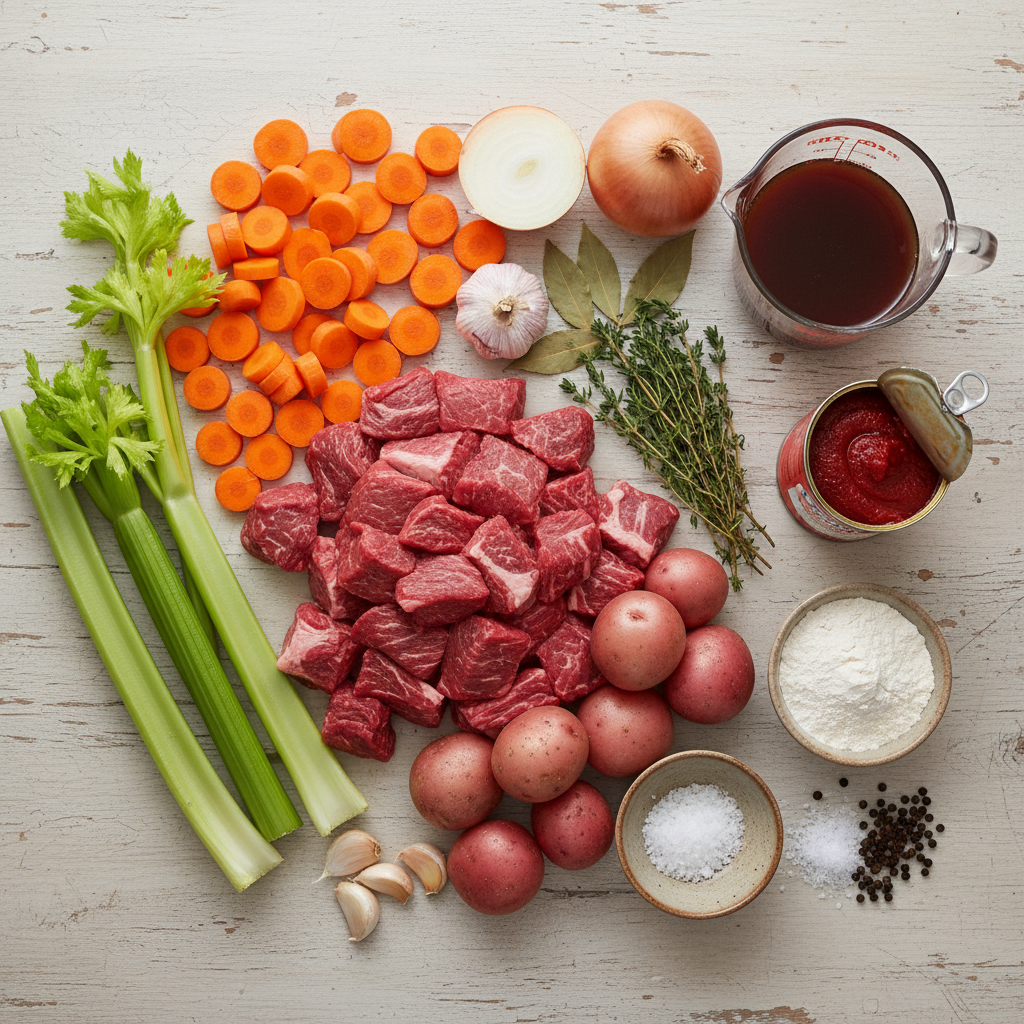
A comforting, flavorful beef stew starts with the right ingredients. The good news? You won’t need anything fancy or hard to find. At Recipesmondial, we believe in making delicious meals accessible, and this classic recipe uses everyday items to create incredible flavor.
Let’s break down the essential components that make this stew a family favorite.
What is the Best Cut of Beef for Stew?
The star of any beef stew is, of course, the beef. Choosing the right cut is crucial for achieving the melt-in-your-mouth tenderness we all crave. You want a cut that benefits from long, slow cooking, which allows its tough connective tissues to break down beautifully.
- Chuck Roast (or Chuck Steak): This is your best choice for beef stew. Coming from the shoulder, chuck has excellent marbling (fat woven through the meat) that keeps it moist and adds amazing flavor during the slow cook. The connective tissue also breaks down into gelatin, which makes the meat incredibly tender and enriches the gravy. Many stores sell “stew meat” that is simply pre-cut chuck.
- Other Good Options: You can also use leaner cuts like round (bottom round, top round) or brisket. However, they may require slightly longer cooking times to achieve the same tenderness as chuck.
Pro Tip for Flavor: No matter which cut you pick, searing the beef before stewing is a non-negotiable step. This simple action creates a deeply flavorful crust, adding a rich, savory depth that transforms your entire dish.
Choosing Your Vegetables
Vegetables are essential for transforming a simple beef dish into a hearty, well-rounded meal. They add flavor, texture, and nutrition, acting as the perfect supporting cast to make the beef truly shine.
Here are the go-to vegetables for a traditional beef stew:
- Yellow Onions: Sautéed onions provide a sweet and savory base flavor, forming the foundation of the dish.
- Carrots: Sweet and vibrant, carrots add a lovely pop of color and a subtle sweetness that balances the savory beef.
- Celery: Often paired with onions and carrots to create a “mirepoix,” celery brings an aromatic, slightly bitter note that adds complexity.
- Potatoes: Hearty and comforting, potatoes absorb the stew’s delicious flavors and help thicken the gravy naturally. Russet or Yukon Gold potatoes work wonderfully here.
Fun Variations: Feel free to get creative by adding other vegetables. Consider mushrooms for an earthy depth, peas or green beans for a touch of freshness near the end of cooking, or parsnips for a unique, slightly spicy sweetness. Customizing the vegetables is an easy way to make this simple dinner recipe your own.
The Secret to a Rich Gravy
A thick, flavorful gravy is the soul of a classic beef stew. Creating that rich, comforting consistency isn’t complicated—it just requires a few key steps. Here are the essential elements:
- Browning the Beef: This is the first step to deep flavor. Searing the beef creates a browned layer called “fond” at the bottom of the pan, which is packed with concentrated flavor.
- Aromatics: Sautéing onions, carrots, and celery (and often garlic) in the same pot scrapes up that fond from the bottom, releasing those delicious flavors into the dish.
- Tomato Paste: A small amount of tomato paste adds a touch of sweetness and acidity, which deepens the gravy’s flavor and contributes to a rich color.
- Flour or Cornstarch: These are common thickening agents.
- Flour: Dusting the seared beef with flour before adding liquid helps create a roux-like base that thickens the stew as it simmers.
- Cornstarch Slurry: If your stew needs more thickening at the end, a slurry (cornstarch mixed with a little cold water) works wonders.
- Rich Liquids:
- Beef Broth: Use a good quality, low-sodium beef broth as the primary liquid base.
- Red Wine (Optional): A splash of dry red wine, like Cabernet Sauvignon or Pinot Noir, adds incredible depth. It also helps deglaze the pan, lifting all those flavorful browned bits from the bottom.
- Herbs and Spices: Simple herbs like bay leaves and fresh or dried thyme or rosemary are essential. They infuse the gravy with aromatic goodness as the stew simmers.
The Power of Simmering: Finally, patience is key. Allowing your stew to simmer gently for an extended period is crucial. This slow cooking process helps all the flavors meld and deepen, tenderizes the beef, and thickens the gravy naturally.
How to Make Beef Stew on the Stovetop (Step-by-Step)
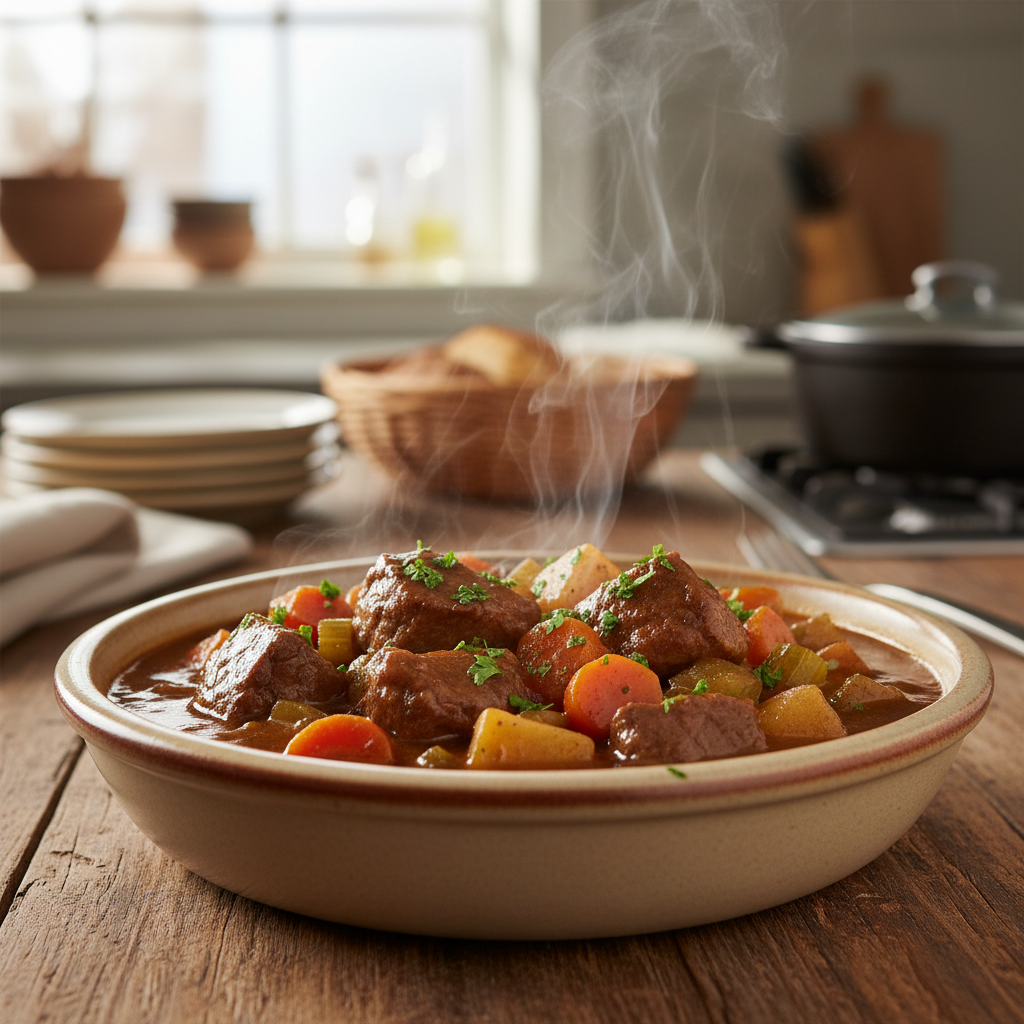
Making delicious beef stew on the stovetop is a rewarding experience that fills your kitchen with a warm, comforting aroma. This method gives you complete control over the flavors and textures, transforming simple ingredients into a rich, hearty, and unbelievably flavorful meal.
Our step-by-step guide makes this classic beef stew recipe approachable for everyone. You’ll build flavor at each stage, ensuring a deeply satisfying result.
Step 1: Sear the Beef for Maximum Flavor
Searing the beef is the crucial first step. This process creates a delicious, browned crust that adds incredible depth and complexity to the finished stew.
Here’s how to do it perfectly:
- Prepare the Beef: Pat the cubed beef dry with paper towels to help it brown better. Then, season it generously with salt and black pepper on all sides.
- Heat the Pan: Place a large Dutch oven or heavy-bottomed pot over medium-high heat. Add 1-2 tablespoons of olive oil or vegetable oil and let it get shimmering hot.
- Sear in Batches: Add about a third of the seasoned beef to the hot pan in a single layer. Do not overcrowd it, or the beef will steam instead of sear.
- Brown Thoroughly: Cook for 2-3 minutes per side until deeply browned. You’re not cooking the beef through, just building that fantastic crust.
- Remove and Repeat: Transfer the seared beef to a plate. Repeat with the remaining beef in batches, adding a little more oil if the pan becomes dry.
Chef’s Tip: Those browned bits left in the pan are called “fond,” and they’re packed with flavor! We’ll use them in the next step.
Step 2: Sauté the Aromatics
With the beef seared, it’s time to build the stew’s aromatic foundation. These vegetables add sweetness, depth, and a wonderful fragrance.
Follow these easy steps:
- Add More Oil (If Needed): If the pan is dry, add another tablespoon of oil and reduce the heat to medium.
- Sauté Vegetables: Add the chopped onions, carrots, and celery to the pot. Cook for 5-7 minutes, stirring occasionally, until they soften and become translucent.
- Introduce Garlic: Stir in the minced garlic and cook for 1 more minute until fragrant. Be careful not to let the garlic burn.
Why This Matters: Sautéing these vegetables releases their natural sugars, which contributes to a richer, more complex flavor in the final stew.
Step 3: Deglaze the Pan
Deglazing is a simple technique that unlocks a huge amount of flavor. You’ll use liquid to lift all the delicious browned bits from the bottom of the pot, making your stew base even richer.
Let’s deglaze:
- Add Liquid: Pour in the red wine or beef broth. Use a wooden spoon to scrape up the browned bits (the “fond”) from the bottom of the pot as the liquid sizzles. Continue stirring until the bits have dissolved.
- Cook Tomato Paste: Stir in the tomato paste and cook for 1-2 minutes, stirring constantly. Cooking the paste briefly deepens its flavor and color.
- Thicken (Optional): For a thicker stew, sprinkle the all-purpose flour over the vegetables. Stir well to combine and cook for 1 minute to form a roux.
Substitution Idea: If you prefer not to use wine, simply use extra beef broth. The result will still be wonderful!
Step 4: Simmer to Perfection
Now for the magic. A long, slow simmer is what tenderizes the beef and allows all the flavors to meld together into a comforting stew.
Follow these steps to finish your stew:
- Return Beef: Add the seared beef and any juices from the plate back into the pot.
- Add Liquids and Herbs: Pour in the beef broth and stir in the bay leaf and thyme sprigs.
- Add Potatoes: Add the cubed potatoes, ensuring they are mostly submerged in the liquid.
- Bring to Simmer: Increase the heat to medium-high to bring the stew to a gentle simmer.
- Cover and Cook: Once simmering, reduce the heat to low, cover the pot tightly, and let it cook for 1.5-2 hours, or until the beef is fork-tender. Check periodically to ensure it’s not boiling and stir to prevent sticking.
- Check Seasoning: When the beef is tender, remove and discard the bay leaf and thyme sprigs. Taste the stew and season with additional salt and pepper if needed.
- Final Touches (Optional): For a pop of color and freshness, stir in the frozen peas during the last 5 minutes of cooking.
Your stovetop beef stew is now ready to serve! This recipe proves that delicious, home-cooked meals can be incredibly approachable and deliver satisfying results every time.
How to Make Crockpot Beef Stew (Slow Cooker Method)
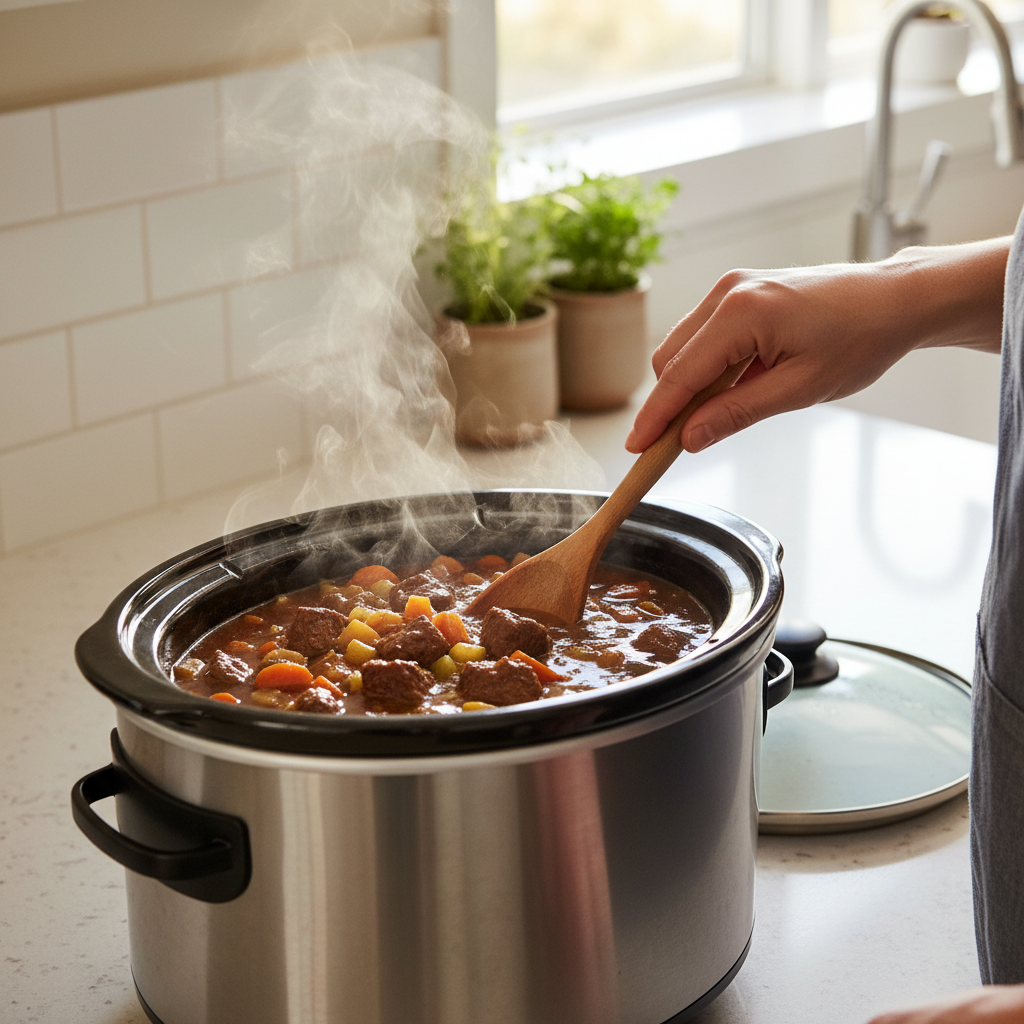
When life gets busy, you need a comforting meal that practically cooks itself. That’s where the slow cooker shines! Making a rich, hearty crockpot beef stew is wonderfully simple and one of the best easy recipes for a cozy night in. This stress-free method is perfect for anyone who wants to prepare delicious family-friendly meals.
The slow cooker transforms tougher cuts of beef into incredibly tender, melt-in-your-mouth pieces while infusing all the flavors beautifully over several hours. You’ll love how little hands-on time this simple dinner recipe requires. Just prep a few ingredients, set it, and forget it!
- Sear the Beef (Optional but Recommended): For the deepest flavor, start by searing the beef chunks. Pat the beef dry, season it generously with salt and pepper, and heat a tablespoon of oil in a large skillet over medium-high heat. Brown the beef on all sides until nicely caramelized. This step builds a fantastic foundation of rich, complex flavor, but you can skip it if you’re short on time—the stew will still be delicious.
- Sauté Aromatics (Optional): After searing the beef, you can sauté the chopped onions, carrots, and celery in the same skillet for a few minutes. This step softens the vegetables and enhances their sweetness, adding extra flavor depth. However, feel free to add them raw directly to the slow cooker to save time.
- Combine Ingredients in Slow Cooker: Place your seared (or unseared) beef into the slow cooker pot. Add your prepared vegetables: potatoes, carrots, celery, and onions, along with the garlic if using.
- Add Liquids and Seasonings: Pour in the beef broth, red wine (if using), and tomato paste. Add the bay leaves, dried thyme, and any other seasonings. Stir gently to combine, ensuring the beef and vegetables are mostly submerged.
- Cook Low and Slow: Cover the slow cooker and cook on LOW for 6-8 hours or on HIGH for 3-4 hours, until the beef is incredibly tender. Cooking on LOW is generally recommended for the most tender results. This “set it and forget it” approach is perfect for busy days, allowing you to handle other tasks while dinner cooks.
- Thicken and Finish: If you prefer a thicker stew, make a slurry about 30 minutes before serving. Whisk together 2 tablespoons of cornstarch with 3 tablespoons of cold water, then stir the mixture into the hot stew. Replace the lid and cook until the stew has thickened. Remember to taste, adjust seasonings, and remove the bay leaves before serving.
Tips for the Best Crockpot Beef Stew
A few simple tricks will help you achieve a truly remarkable beef stew slow cooker version. Follow these tips to create a flavorful and comforting meal every time.
- Don’t Overfill: To ensure everything cooks properly, avoid filling your slow cooker more than two-thirds full. Overfilling can lead to uneven cooking.
- Resist Peeking: Try to keep the lid on throughout the cooking process. Opening it releases heat and can extend the cooking time significantly—each peek can add 20-30 minutes [1].
- Layer for Even Cooking: Place heartier vegetables like carrots and potatoes at the bottom of the slow cooker. This ensures they are fully submerged and cook through properly.
- Taste and Adjust: Always taste your stew before serving and adjust salt, pepper, or other seasonings as needed. A splash of fresh parsley or a squeeze of lemon juice can brighten the final flavors.
- Meal Prep Friendly: This beginner-friendly recipe is excellent for meal prep. Feel free to double the batch, enjoy half now, and freeze the rest for a quick, healthy meal later.
Flavor Variations for Your Crockpot Stew
One of the joys of making a stew recipe is its adaptability. Feel free to customize it with ingredients you love or have on hand for a more creative cooking experience.
- Herb Power: Add fresh rosemary sprigs or a bouquet garni for a more aromatic stew.
- Vegetable Boost: Incorporate mushrooms, parsnips, or a handful of frozen peas during the last hour of cooking for added nutrition and color.
- Spice It Up: A pinch of smoked paprika or a dash of Worcestershire sauce can introduce extra depth and warmth.
- Dairy-Free Creaminess: For a richer, dairy-free finish, stir in a splash of coconut cream just before serving.
You’ll discover that making a hearty crockpot beef stew is not only delicious but also incredibly satisfying. It’s an approachable home cooking triumph that will boost your kitchen confidence!
How to Make Instant Pot Beef Stew (Pressure Cooker Method)
Want to make a rich, flavorful beef stew in a fraction of the time? The Instant Pot is your secret weapon for getting incredibly tender beef and deep flavor, fast. It’s the perfect solution for busy families who need delicious quick meals without spending hours in the kitchen.
Enjoy classic comfort food without the long simmer. Our simple, step-by-step guide makes this instant pot beef stew foolproof. Get ready for stress-free cooking and a meal your whole family will love.
Ingredients for Instant Pot Beef Stew
The ingredients for this Instant Pot beef stew are nearly identical to the classic stovetop version, with a small adjustment to the liquid for pressure cooking. We’ve designed this easy recipe to use simple, everyday ingredients.
- Beef: 2 pounds beef chuck, cut into 1-2 inch cubes.
- Aromatics: 1 large yellow onion (chopped), 3 cloves garlic (minced).
- Vegetables: 1 pound baby carrots or chopped carrots, 1.5 pounds Yukon gold potatoes (peeled and quartered), 1 cup chopped celery.
- Liquid: 3 cups beef broth, 1 cup dry red wine (optional, see substitution below).
- Flavor Boosters: 2 tablespoons tomato paste, 1 tablespoon Worcestershire sauce, 1 teaspoon dried thyme, 2 bay leaves, salt, and black pepper.
- Thickener: 2 tablespoons cornstarch mixed with 2 tablespoons cold water (slurry).
- Oil: 2 tablespoons olive oil or vegetable oil.
Quick Tip: Patting the beef dry with paper towels before searing is the key to creating a delicious, browned crust.
Step-by-Step Instant Pot Beef Stew Instructions
Making a hearty beef stew recipe in your Instant Pot is incredibly straightforward. Follow these clear steps for a perfect result every time.
- Sear the Beef: Select the “Sauté” function on High (or “More”). Once hot, add 1 tablespoon of oil. Working in batches, brown the beef on all sides for 2-3 minutes per batch. Do not overcrowd the pot. Transfer the seared beef to a plate and set aside.
- Sauté Aromatics: Add the remaining tablespoon of oil to the pot. Sauté the chopped onion for 3-4 minutes until it begins to soften. Add the minced garlic and cook for one more minute until fragrant.
- Deglaze the Pot: Pour in the red wine (or 1 cup of beef broth). Use a wooden spoon to scrape all the browned bits from the bottom of the pot. This step, known as deglazing, adds incredible flavor and prevents a “Burn” warning.
- Build the Stew: Press “Cancel” to turn off the “Sauté” function. Stir in the tomato paste, Worcestershire sauce, dried thyme, and bay leaves. Return the seared beef and any accumulated juices to the pot.
- Add Vegetables and Liquid: Add the potatoes, carrots, and celery, then pour in the beef broth. Avoid stirring after this point to help prevent a “Burn” notice. Make sure the liquid covers most of the ingredients, but do not fill the pot above the “Max Fill” line.
- Pressure Cook: Secure the lid, turn the steam release valve to the “Sealing” position, and select “Pressure Cook” or “Manual” on High Pressure for 35 minutes.
- Natural Pressure Release: When the timer goes off, let the Instant Pot sit undisturbed for 10-15 minutes for a Natural Pressure Release (NPR). This crucial step allows the meat to relax and become incredibly tender. After 10-15 minutes have passed, carefully turn the vent to “Venting” to release any remaining steam before removing the lid.
- Thicken the Stew: Remove and discard the bay leaves. Select the “Sauté” function. In a small bowl, whisk the cornstarch and cold water together to create a smooth slurry. Slowly pour the slurry into the simmering stew, stirring constantly for 2-3 minutes until it thickens to your liking.
- Season and Serve: Turn off the Instant Pot. Taste the stew and season with additional salt and pepper as needed. Your delicious family-friendly meal is ready to serve!
Instant Pot Tips for the Best Beef Stew
Mastering this instant pot beef stew is easy with a few key pointers. Keep these tips in mind for a perfect result, especially if you’re new to pressure cooking.
- Don’t Overfill: Always respect the “Max Fill” line inside your Instant Pot. Overfilling can interfere with the pot’s ability to build pressure and is a safety concern.
- Patience with NPR: Don’t rush the natural pressure release. This resting period is essential for tender, juicy meat as it allows the muscle fibers to relax and reabsorb moisture.
- Prevent the Burn Notice: The most common cause of a “Burn” notice is unscraped food bits. Deglaze thoroughly after sautéing. Also, never add thickeners like cornstarch or flour before pressure cooking—always add them at the end.
- Control the Consistency: If your stew isn’t thick enough, the “Sauté” function and a cornstarch slurry are your best friends. It’s an easy fix to achieve the perfect texture.
- Add Soft Veggies Later: Root vegetables like potatoes and carrots hold up well to pressure cooking. For softer vegetables like peas or green beans, stir them in after pressure cooking during the final “Sauté” step. Cook for a few minutes until tender-crisp.
The Instant Pot makes approachable home cooking a reality, turning what was once a long-simmering project into an easy weeknight meal.
Expert Tips for Perfect Beef Stew Every Time
How to Thicken Your Beef Stew
Achieving that perfect, rich gravy in your beef stew recipe is easier than you think. A thick stew adds wonderful comfort and holds all those delicious flavors together. Here are simple ways to get it just right:
- Flour or Cornstarch Slurry: This is a classic method. In a small bowl, mix one tablespoon of all-purpose flour or cornstarch with two tablespoons of cold water. Whisk until smooth. Gradually stir this slurry into your simmering stew during the last 15-20 minutes of cooking. It will thicken beautifully as it cooks.
- Reduce it Down: Sometimes, the simplest solution is more time. If your stew is too thin, remove the lid and let it simmer gently for another 20-30 minutes. As the excess liquid evaporates, the stew will thicken naturally and its flavors will become more concentrated.
- Add Mashed Potatoes or Root Vegetables: This is a clever trick! If you have leftover mashed potatoes, stir a spoonful or two into the stew; they will dissolve and thicken the liquid. Alternatively, you can mash some of the cooked carrots or potatoes directly in the pot for natural thickness.
- Tomato Paste: A little extra tomato paste, stirred in while sautéing your onions and garlic, can add both flavor and body to your gravy. It’s a great way to build a robust base for your stew recipe.
Ingredient Variations & Substitutions
Part of the joy of home cooking is making recipes your own. This best beef stew recipe is incredibly versatile, so don’t be afraid to experiment with what you have on hand!
- Beef Cuts: While chuck roast is ideal, other cuts work well. Sirloin tip, bottom round, or even short ribs are excellent choices. Just be aware that cooking times might vary slightly. These cuts are also great options for
budget cooking. - Vegetable Swaps: Don’t hesitate to customize the vegetables based on what you have. Consider these simple swaps:
- For Potatoes: Sweet potatoes, parsnips, or turnips are delicious alternatives.
- For Carrots: Try adding celery root or butternut squash for different sweetness and texture.
- Leafy Greens: For extra nutrition, stir in a handful of spinach or kale during the last 10 minutes of cooking.
- Mushrooms: Sliced cremini or button mushrooms will add an earthy depth. Add them with your other vegetables.
- Liquid Alternatives: If you don’t have red wine, you can use several other liquids to add depth and flavor:
- Beef Broth: For a classic flavor, simply use all beef broth.
- Dark Beer: A stout or porter can add incredible richness. This works especially well in a
crockpot beef steworinstant pot beef stew. - Non-Alcoholic Options: More beef broth with a splash of balsamic vinegar or Worcestershire sauce is a wonderful substitute. This ensures your
family-friendly mealsare always a hit.
- Herb & Spice Boosts: Fresh thyme, rosemary, or bay leaves are classic additions. For a twist, try a pinch of smoked paprika for a subtle smoky flavor, or add a dash of red pepper flakes for a little warmth.
- Gluten-Free Option: To make this stew recipe gluten-free, use a cornstarch slurry for thickening instead of flour. You should also ensure your beef broth is certified gluten-free.
What to Serve With Beef Stew
A hearty beef stew is a meal in itself, but pairing it with a simple side can elevate your dinner. Here are some perfect, easy-to-prepare accompaniments:
- Crusty Bread or Dinner Rolls: This is a must-have for soaking up every last drop of the amazing gravy. Warm some store-bought bread or make your own for a truly comforting experience.
- Creamy Mashed Potatoes: Serving your stew over a bed of fluffy mashed potatoes is a classic pairing. The creamy and hearty textures complement each other beautifully, making it a
simple dinner recipefavorite. - Rice: White or brown rice makes a great base, as it’s a light option that absorbs the rich gravy perfectly.
- Noodles: For another comforting meal, serve the stew over egg noodles or even wide pasta.
- Simple Green Salad: A fresh, crisp green salad with a light vinaigrette offers a lovely contrast to the stew’s richness and adds a refreshing element to the meal.
- Roasted Vegetables: A side of roasted broccoli, green beans, or asparagus adds extra nutrients and a pop of vibrant color to your plate.
How to Store and Reheat Leftover Stew
One of the best things about a hearty beef stew is the incredible leftovers! Your beef stew recipe often tastes even more delicious the next day, making it a fantastic solution for quick meals or family-friendly meals. However, to maintain that wonderful flavor and ensure food safety, proper storage and reheating are crucial. Let’s make sure your best beef stew recipe stays perfect for days to come!
How to Store Leftover Beef Stew
Storing your leftover beef stew correctly is a simple way to ensure you can enjoy it safely later. Think of this as a smart meal prep idea!
Cool Down Quickly
- Speed is Key: It’s important to cool your stew as quickly as possible after cooking.
- Two-Hour Rule: To prevent harmful bacteria from growing, never leave your stew recipe at room temperature for more than two hours [2].
- Shallow Containers: To speed up the cooling process, divide the stew into smaller, shallow containers.
Choose the Right Containers
Once cooled, transfer the stew into appropriate containers to lock in freshness.
- Airtight is Best: Always use airtight containers. This prevents freezer burn and keeps the stew from absorbing other odors in your fridge or freezer.
- Material Matters: Glass or BPA-free plastic containers are both excellent choices.
Refrigeration
For quick weekday lunches or dinners, the refrigerator is your best option.
- Storage Time: Your leftover beef stew will keep safely in the refrigerator for 3 to 4 days [2].
- Easy Portions: For convenience, store the stew in individual portions for easy grab-and-reheat meals.
Freezing for Longer Storage
Freezing is a fantastic way to extend the life of your crockpot beef stew or instant pot beef stew. It’s a great meal prep tip for busy weeks!
- Cool Completely: Always let the stew cool completely before freezing it.
- Portion Wisely: Divide the stew into single-serving or family-sized portions. This makes it much more convenient to thaw and reheat later.
- Freezer-Safe Containers: Use airtight, freezer-safe containers or heavy-duty freezer bags. If using rigid containers, leave about an inch of headspace to allow for expansion as the liquid freezes.
- Label and Date: Clearly label your containers with the contents and the date it was frozen.
- Freezer Life: For the best quality, use frozen beef stew within 2 to 3 months [2].
How to Reheat Leftover Stew
Reheating your leftover stew is simple. The most important rule is to ensure it reaches an internal temperature of 165°F (74°C) for safety [2].
Reheating on the Stovetop
This is often the best method for even heating while maintaining the stew’s texture. It’s perfect for any beef stew slow cooker or instant pot beef stew.
- Thaw First (if frozen): If the stew is frozen, thaw it in the refrigerator overnight for the best results.
- Transfer to a Pot: Pour the stew into a heavy-bottomed pot or saucepan.
- Add Liquid: If the stew has thickened, add a splash of beef broth or water (about 1/4 to 1/2 cup) to reach your desired consistency.
- Heat Gently: Warm the stew over medium-low heat, stirring occasionally to prevent it from sticking to the bottom of the pot.
- Simmer to Perfection: Bring the stew to a gentle simmer and heat until it is piping hot throughout, which usually takes 10 to 15 minutes.
Reheating in the Microwave
For individual servings, the microwave offers a quick and convenient option, making it ideal for simple dinner recipes.
- Use a Microwave-Safe Dish: Place a single portion of stew in a microwave-safe bowl.
- Cover Loosely: Cover the bowl with a microwave-safe lid or wrap, leaving a corner open to vent. This prevents splatters and promotes even heating.
- Heat in Intervals: Microwave on high for 2 to 3 minutes, then stir well to distribute the heat.
- Continue Heating: Continue heating in 1-minute intervals, stirring in between, until the stew is steaming and heated through.
Reheating in the Oven (for Larger Portions)
The oven is an excellent choice for reheating a large batch of leftover stew because it ensures even heat distribution.
- Preheat Oven: Set your oven to 325°F (160°C).
- Transfer to Dish: Place the stew in an oven-safe casserole dish and cover it with a lid or foil.
- Add Liquid: If needed, add a small amount of broth or water to keep the stew moist.
- Bake: Heat for 20 to 30 minutes, or until hot. Stir halfway through the cooking time to ensure it heats evenly.
Tips for Perfect Leftover Stew
A few extra touches can make your reheated beef stew taste just as delicious as when it was freshly made!
- Adjust Seasoning: Always taste the reheated stew. You may need to add a pinch more salt or pepper to enhance the flavors.
- Add Fresh Herbs: A sprinkle of fresh parsley or thyme just before serving beautifully brightens the flavor.
- Avoid Multiple Reheating: Only reheat the amount of stew you plan to eat. Repeatedly cooling and reheating can degrade its quality and texture.
- Serve Immediately: Once the stew is hot, serve and enjoy it right away.
Frequently Asked Questions
How long to cook beef stew in a pressure cooker?
Using a pressure cooker, like an Instant Pot, significantly speeds up the cooking process because the high pressure tenderizes tough cuts of meat quickly. For a classic beef stew with 1- to 1.5-inch cubes of meat, the general cooking time is:
- 25-35 minutes on high pressure, followed by a natural pressure release for 10-15 minutes. This ensures the beef is melt-in-your-mouth tender [3].
Always use a natural pressure release. This crucial step prevents the meat from becoming tough and allows the flavors to meld beautifully.
Can I make crockpot beef stew without browning the meat?
Yes, you can absolutely make a delicious crockpot beef stew without browning the meat first. This is a fantastic time-saver, especially on busy days.
Here’s what to consider if you skip this step:
- Flavor Depth: Browning creates a rich, caramelized crust on the beef through the Maillard reaction. This process adds a deep, savory flavor to the finished stew.
- Texture: Without browning, your beef will have a slightly different texture. It will still be tender, but it won’t have that savory crust.
- Convenience: For many, the ease of adding all ingredients to the slow cooker at once outweighs the extra flavor from browning. This makes for an incredibly simple dinner.
If you’re short on time, don’t hesitate to skip the browning step. Your beef stew will still be wonderfully flavorful and comforting.
What makes beef stew tough?
Tough beef is a common stew problem, but it’s usually easy to prevent. Here are the most likely reasons your beef is tough:
- Wrong Cut of Beef: Lean cuts like sirloin can become tough because they lack the collagen that breaks down into tender gelatin during long, slow cooking.
- Not Enough Cooking Time: Beef stew needs to cook low and slow. Rushing the process leaves the beef chewy because the connective tissues haven’t had enough time to break down.
- Cooking at Too High a Heat (Stovetop/Slow Cooker): High heat can cause the muscle fibers to seize up, making the meat dry and tough. A gentle simmer is key to keeping the beef tender.
- Too Quick a Pressure Release (Pressure Cooker): A quick pressure release can shock the meat, causing it to toughen. In contrast, a natural pressure release lets the meat’s fibers relax, keeping it tender.
For the best results, choose a cut like chuck roast and cook it patiently until it’s fork-tender. This ensures a delicious and tender stew.
What can I use if I don’t have red wine?
Red wine adds depth and acidity to beef stew, but there are excellent non-alcoholic substitutions if you prefer to leave it out. These alternatives will still help you create a rich, flavorful stew:
- Beef Broth or Stock: This is the simplest substitute. For the best flavor, use a high-quality, low-sodium beef broth to provide a rich base.
- Non-Alcoholic Red Wine: Available in most grocery stores, this offers a similar flavor profile without any alcohol content.
- Grape Juice (Unsweetened): Use a splash of unsweetened grape juice for a fruity note. Be sure to add a tablespoon of vinegar (like red wine or balsamic) to balance the sweetness with acidity.
- Beer (Dark or Stout): A dark beer adds a robust, malty flavor that pairs wonderfully with beef. Just be aware that it will create a noticeably different flavor profile than wine.
- Tomato Paste with Broth: Dissolving a tablespoon of tomato paste in beef broth is a great way to add umami and acidity, creating a rich gravy base.
Choose the substitute that best fits your desired flavor profile. With these simple swaps, you can easily create a fantastic, family-friendly meal.