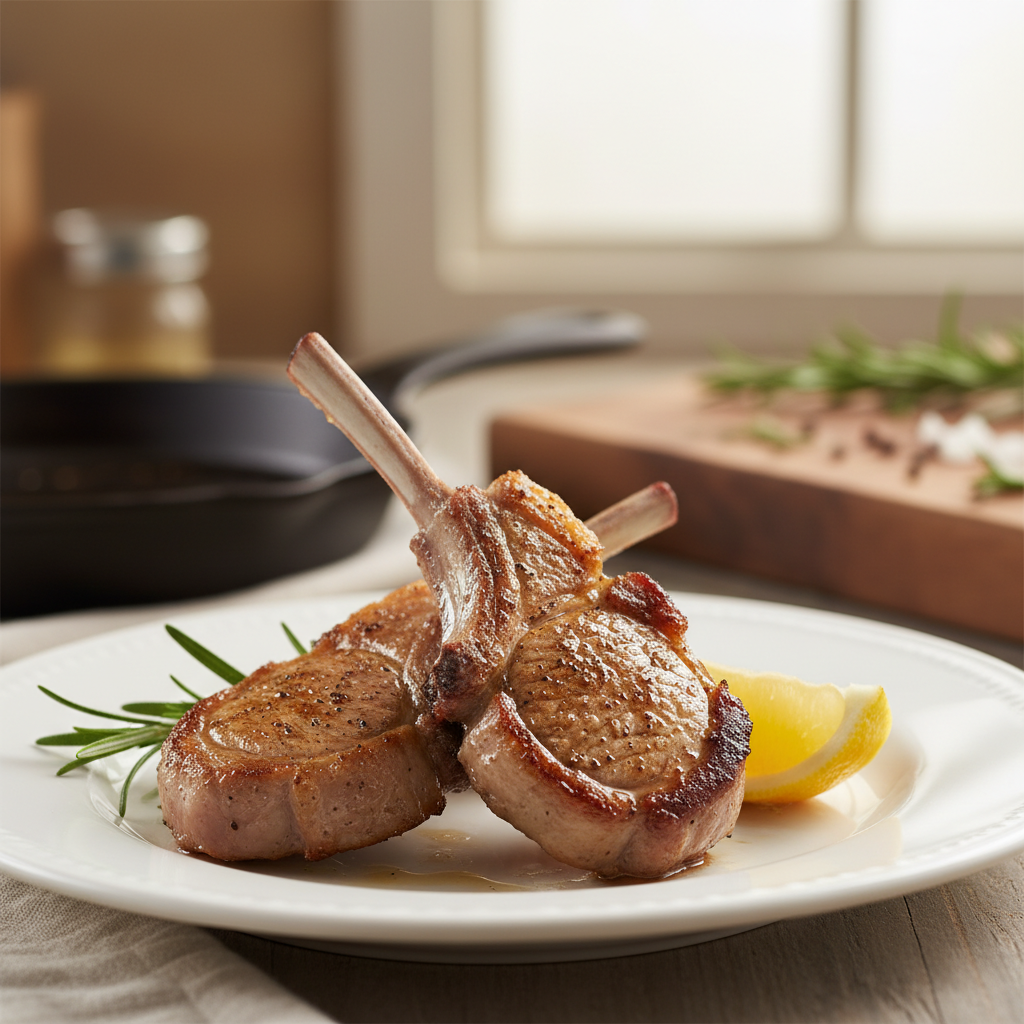
Cooking the perfect lamb chop is simple. Start by seasoning lamb loin or rib chops generously with salt, pepper, garlic, and herbs. Sear them in a hot, oiled skillet for 3-4 minutes per side for a medium-rare finish. For maximum flavor and tenderness, allow the chops to rest for 5-10 minutes before serving.
Imagine serving a meal that tastes like it came from a fancy restaurant—without the stress. Lamb chops often seem reserved for special occasions or experienced chefs, and many home cooks feel intimidated by the process. But what if we told you that perfectly tender and flavorful lamb chops are entirely within your reach? With this simple dinner recipe, they are, even if you’re a beginner.
At Recipesmondial, we believe every home cook deserves great food without complicated steps. In this beginner-friendly guide, we’ll walk you through the simple process of pan-searing lamb chops. Our step-by-step instructions will help you get a beautiful crust and juicy, tender results every time. This recipe makes it easy to prepare special family-friendly meals and helps you cook with confidence.
Whether you want a new weeknight favorite or are looking to expand your culinary skills, this article makes cooking lamb chops a breeze. You will learn how to transform simple ingredients into a flavorful meal, proving that gourmet taste is achievable in your own kitchen. Let’s get started and see why this easy lamb chop recipe will become a new staple in your collection.
Why You’ll Love This Easy Lamb Chop Recipe
Ever wanted to make lamb chops at home but felt unsure where to begin? Many home cooks are intimidated by complex recipes, but this one is designed to change that. It brings gourmet flavor to your kitchen with minimal fuss.
Here’s why you’ll love adding this dish to your regular rotation:
- Unbelievably Simple: This recipe is truly beginner-friendly. We skip complicated steps and focus on a straightforward pan-searing technique, with clear, step-by-step guidance.
- Quick to Prepare: Forget long cooking times. You can have delicious lamb chops on the table in under 30 minutes, making this recipe perfect for busy weeknights.
- Incredible Flavor: Learn how to get a perfect sear every time. These lamb chops have a beautiful golden crust on the outside while staying tender, juicy, and packed with flavor. Experience truly flavorful meals made easy.
- Builds Confidence: Lacking confidence in the kitchen? This recipe helps you master a classic technique, so you can cook with confidence and achieve impressive results.
- Family-Friendly Elegance: Lamb chops feel like a special treat, but this simple recipe makes them accessible for any night. It’s an elegant meal the whole family will enjoy.
- Everyday Ingredients: No exotic items are needed. This recipe uses common ingredients you can find at any grocery store, keeping your cooking approachable and stress-free.
- Stress-Free Cooking: Our goal at Recipesmondial is to help you enjoy a relaxed cooking experience. This recipe delivers on that promise by simplifying a dish that is often seen as challenging.
In short, this isn’t just another lamb chop recipe—it’s your key to creating quick, reliable, and delicious meals that will impress everyone. Get ready to turn simple ingredients into something extraordinary!
What Are the Best Lamb Chops for Pan-Searing?
Want to cook a perfect, juicy lamb chop? The first step is selecting the right cut. This choice is key to elevating your pan-seared lamb chop recipe. And don’t worry—it’s simpler than it sounds. We’ll guide you through the best options, helping you make flavorful meals with ease in your own kitchen.
Loin Chops vs. Rib Chops
Two types of lamb chops are best for pan-searing: loin chops and rib chops. While both are delicious, they have unique characteristics. Understanding these differences will help you choose the perfect cut for your simple dinner recipes.
Loin Chops
- Appearance: Resembles a miniature T-bone steak, with a small bone separating the loin and tenderloin.
- Flavor and Texture: Very tender with a rich, meaty flavor.
- Cooking Suitability: Ideal for quick, high-heat methods like pan-searing, which creates a great crust and a juicy interior.
Rib Chops
- Appearance: Cut from the rib section, they are recognized by the long bone extending out to form a “handle.”
- Flavor and Texture: Exceptionally tender with a milder, more delicate lamb flavor.
- Cooking Suitability: Perfect for a fast sear due to their small size, resulting in a visually appealing chop.
Both loin and rib chops are excellent, reliable choices that cook quickly, making them perfect for beginner-friendly recipes. Ultimately, the choice comes down to personal preference. If you want a robust, meaty flavor, choose loin chops. For a more delicate taste, go with rib chops. Either way, you’re set for a delicious meal.
Choosing the Right Thickness
The thickness of your lamb chops is crucial for pan-searing success. It determines how quickly and evenly the meat cooks, which is the key to achieving a tender, juicy result every time.
- Ideal Thickness: For pan-searing, choose lamb chops that are 1 to 1.5 inches thick.
- Why Thickness Matters:
- Too Thin: Chops under 1 inch thick cook too quickly, often drying out before a good crust can form. This can result in tough, less flavorful meat.
- Too Thick: Chops over 1.5 inches thick take longer to cook, making it difficult to cook the inside to your desired doneness without burning the exterior.
- Shopping Tip: Ask your butcher to cut chops to your desired 1 to 1.5-inch thickness. When buying pre-packaged chops, look for pieces with a uniform thickness to ensure even cooking.
Choosing the right lamb chop doesn’t have to be complicated. By selecting the best cut and the proper thickness, you’re setting yourself up for a stress-free cooking experience. You’ll be well on your way to pan-searing delicious, juicy lamb chops with confidence.
Simple Ingredients for Flavorful Lamb Chops
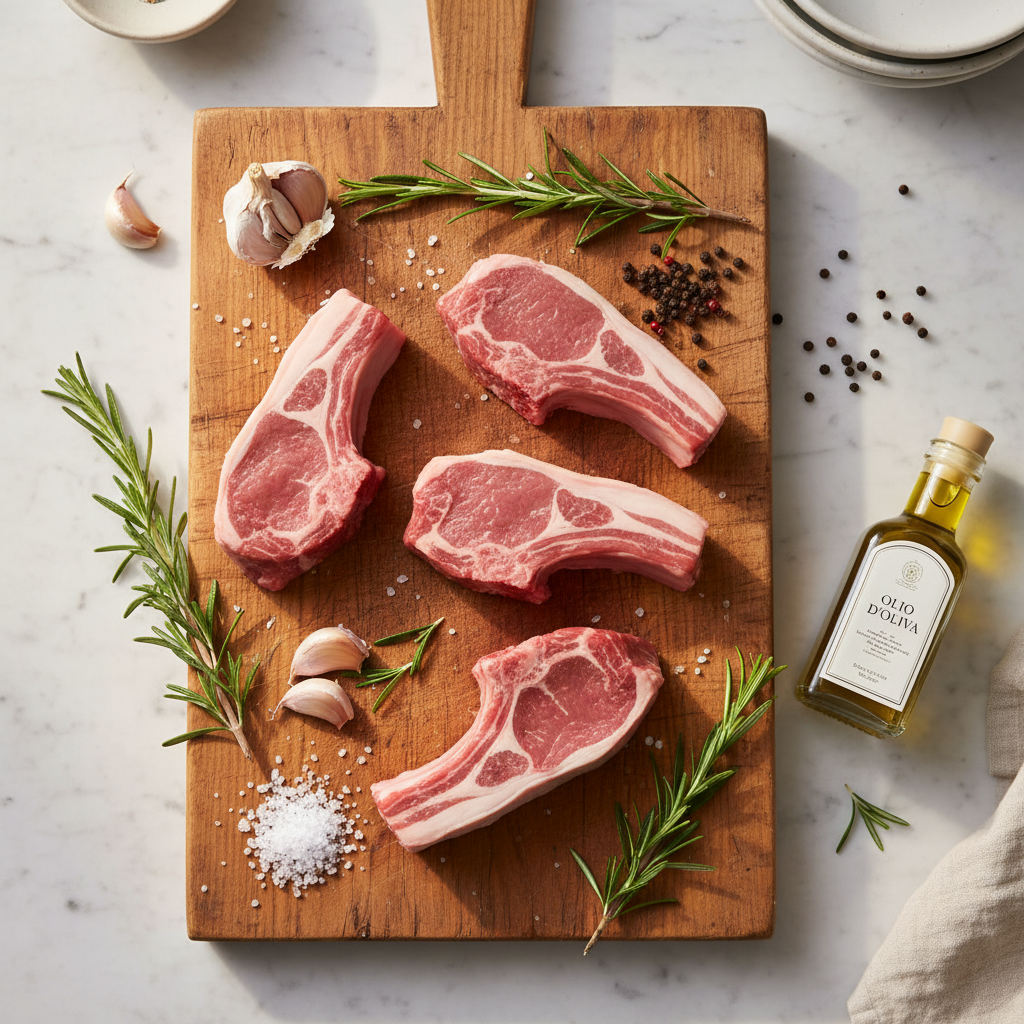
You don’t need a long list of fancy items to cook incredibly flavorful lamb chops. In fact, the best recipes often rely on just a few simple, high-quality ingredients. This approachable method is perfect for building confidence, especially if you’re new to preparing lamb. You can create a truly delicious meal without feeling overwhelmed by a complex process.
Here’s what you’ll need to make these perfect pan-seared lamb chops:
- Lamb Chops: Choose loin or rib chops, about 1-inch thick. Fresh, high-quality lamb is key for the best flavor.
- Olive Oil: A good quality olive oil is perfect for searing and helps create a beautiful crust on your lamb.
- Salt: Coarse sea salt or kosher salt works wonderfully to enhance the natural taste of the lamb.
- Black Pepper: Freshly ground black pepper adds a lovely aromatic warmth.
- Garlic Powder: (Optional) A touch of garlic powder adds a subtle, savory depth. It’s an easy way to boost flavor in any beginner-friendly recipe.
- Fresh Herbs (Rosemary or Thyme): (Optional) A sprig or two of fresh rosemary or thyme infuses a wonderful aroma. These classic herbs pair beautifully with lamb.
These core ingredients are the foundation for easy pan-seared lamb chops and are readily available at any grocery store. This simple, stress-free approach is perfect for quick dinners. You’ll be surprised by how much flavor you can achieve with so little!
Choosing Quality Ingredients for Success
For truly delicious, family-friendly meals, starting with quality ingredients makes all the difference. When selecting lamb, look for chops that are reddish-pink with a thin layer of white fat, which adds moisture and flavor during cooking. A good butcher can also help you choose the best cuts for this easy lamb chop recipe.
Focusing on these simple ingredients helps you build basic cooking skills and discover new favorite dishes. At Recipesmondial, our goal is to make cooking enjoyable and stress-free, which is why we prioritize accessible ingredients and straightforward methods. You’ll go from feeling uncertain in the kitchen to cooking confidently in no time.
How to cook lamb chops pan fry
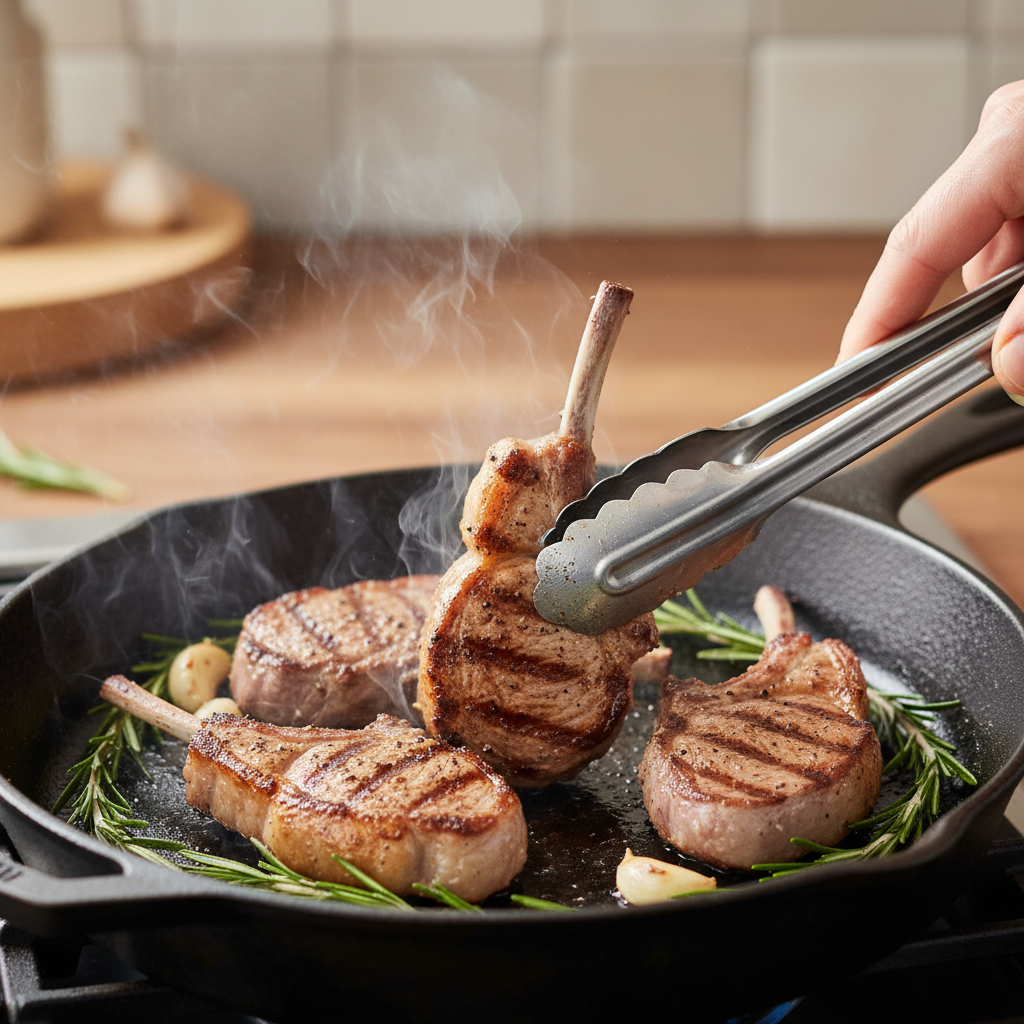
Ready to cook perfect lamb chops at home? Pan-frying is a fast and easy method for achieving a flavorful, golden-brown crust and a juicy, tender interior. This guide skips the complex steps and gives you simple advice for a fantastic meal every time.
Step 1: Prepare the Lamb
Properly preparing your lamb is the first step toward incredible flavor and a perfect cook. Following these key steps will set you up for success.
- Pat Dry: Use paper towels to pat the lamb chops completely dry on all sides. A dry surface is crucial for getting a deep, brown sear; excess moisture will steam the meat instead of creating a crust.
- Season Generously: Season both sides of each chop with a generous pinch of salt, freshly ground black pepper, and garlic powder. For an aromatic touch, add a little dried rosemary. Don’t be shy—this is where the flavor begins!
- Bring to Room Temperature: Let the seasoned chops sit at room temperature for 15-20 minutes before cooking. This helps the lamb cook more evenly from edge to center, preventing the outside from overcooking while the inside comes up to temperature.
Step 2: Sear for a Perfect Crust
Searing is what creates that irresistible, flavorful crust. A hot pan and the right technique are all you need. Follow these steps for a perfect result.
- Heat Your Pan: Place a heavy-bottomed skillet, such as cast iron, over medium-high heat. Allow it to get very hot, which should take about 2-3 minutes. A properly heated pan is essential for a good sear.
- Add Oil: Add 1-2 tablespoons of a high-smoke-point oil, like olive oil or grapeseed oil, to the hot pan and swirl to coat the bottom.
- Sear the Chops: Carefully place the lamb chops in the pan, ensuring you don’t overcrowd it (cook in batches if needed). Sear for 2-4 minutes per side without moving them, until a deep, golden-brown crust forms. This step builds incredible flavor.
- Add Flavor (Optional): After flipping the chops, add 1 tablespoon of butter, a few sprigs of fresh rosemary, and crushed garlic cloves to the pan. As the butter melts, tilt the pan and spoon it over the chops (basting) as they cook. This adds a final layer of aromatic flavor.
- Check for Doneness: Cooking time will vary based on the thickness of your chops. For the most accurate results, use a meat thermometer. For medium-rare, aim for an internal temperature of 125-130°F (52-54°C). For medium, cook to 130-135°F (54-57°C) [source: https://www.fsis.usda.gov/food-safety/safe-food-handling-and-preparation/food-safety-basics/safe-minimum-internal-temperature-chart].
Step 3: Rest for Juiciness
Don’t skip this final, crucial step! Resting the lamb after cooking is the secret to ensuring every bite is tender and juicy.
- Remove from Pan: Transfer the cooked lamb chops from the skillet to a clean cutting board or plate.
- Tent with Foil: Loosely cover the chops with aluminum foil. This will keep them warm while preventing them from overcooking or steaming.
- Rest for 5-10 Minutes: Let the lamb rest. This allows the juices to settle and redistribute throughout the meat, resulting in a much more tender and flavorful chop.
- Serve and Enjoy: After resting, your perfectly cooked lamb chops are ready. Serve them immediately for a delicious, satisfying meal.
What is the best lamb chops marinade?
Classic Garlic & Herb Marinade Recipe
Transforming simple lamb chop recipes into something special is easy with a great marinade. A classic garlic and herb marinade not only infuses your lamb with incredible flavor but also helps tenderize the meat, resulting in a more delicious and satisfying meal for your family.
Here at Recipesmondial, we love this blend because it uses everyday ingredients you likely already have on hand. As an approachable home cooking essential, this simple recipe makes dinner enjoyable for everyone.
Ingredients for Your Marinade:
- 2 tablespoons olive oil
- 4 cloves garlic, minced (about 1 tablespoon)
- 1 tablespoon fresh rosemary, finely chopped (or 1 teaspoon dried)
- 1 tablespoon fresh thyme, finely chopped (or 1 teaspoon dried)
- 1 teaspoon dried oregano
- 1 teaspoon salt
- ½ teaspoon black pepper
- 1 tablespoon lemon juice (freshly squeezed is best) or red wine vinegar
Step-by-Step Marinade Instructions:
- Combine Ingredients: In a medium bowl, whisk together the olive oil, minced garlic, chopped rosemary, chopped thyme, and dried oregano.
- Add Seasoning: Stir in the salt and black pepper.
- Introduce Acidity: Add the lemon juice or red wine vinegar, which helps tenderize the lamb. Whisk everything until well combined.
- Prepare Lamb Chops: Pat your lamb chops dry with paper towels. This simple step helps the marinade adhere to the meat more effectively.
- Coat Evenly: Place the lamb chops in a shallow dish or a resealable plastic bag. Pour the marinade over them, making sure each lamb chop is fully coated.
- Chill: Cover the dish or seal the bag and place it in the refrigerator to marinate.
Chef’s Tip: For an extra layer of flavor, add a pinch of red pepper flakes to give your quick lamb chops a subtle warmth.
How Long to Marinate Lamb
Marinating lamb chops for the proper amount of time is crucial for developing flavor and tenderness. The duration you choose can make a significant difference in the taste and texture of your final dish.
Recommended Marinating Times:
- Minimum Time (30 minutes to 1 hour): Even a short marinade helps flavors penetrate the surface of the meat. This is a great option for speedy dinners when you’re short on time.
- Optimal Time (2-4 hours): For the best balance of flavor infusion and tenderizing, aim for this timeframe. It allows the herbs and garlic to deeply infuse the meat, resulting in juicy, flavorful lamb chops.
- Maximum Time (Up to 12 hours): You can marinate lamb chops for up to 12 hours, which is especially effective for tougher cuts. However, for more delicate loin or rib chops, 12 hours is the absolute maximum.
Important Considerations:
- Refrigeration is Key: For food safety, always marinate lamb chops in the refrigerator, never at room temperature [1].
- Avoid Over-Marinating: The acid in lemon juice or vinegar can begin to “cook” the meat over time, making its texture mushy rather than tender. Stick to less than 12 hours for acidic marinades.
- Use Non-Reactive Containers: Use glass, ceramic, or food-grade plastic containers or bags for marinating. Metal can react with acidic ingredients and impart an off-flavor to your lamb chops.
Following these simple guidelines will ensure your easy recipes turn out perfectly every time, helping you build confidence in the kitchen. Recipesmondial is here to guide you toward delicious, stress-free meals made easy.
What to serve with lamb chops
Classic Side Dishes
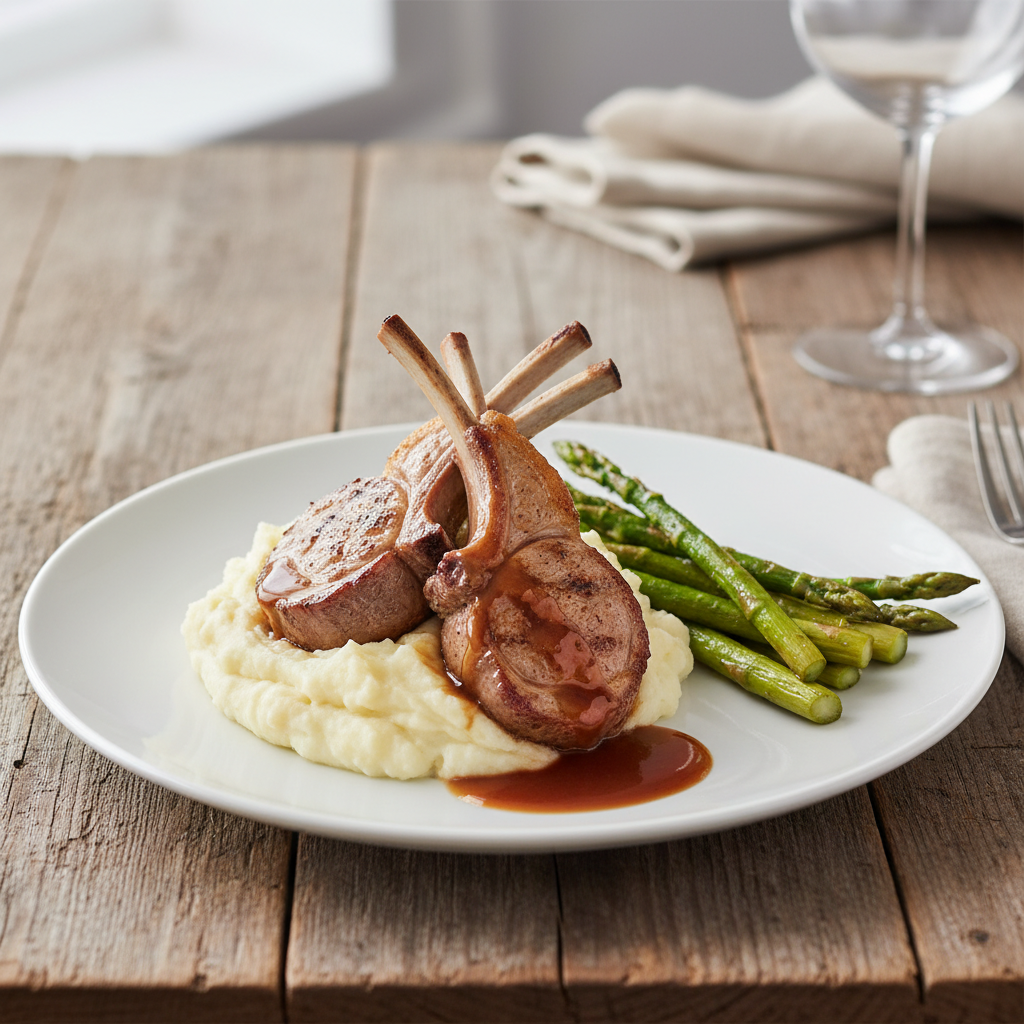
Once your lamb chops are seared to perfection, it’s time to choose the right companions. A great side dish should complement the rich, savory flavor of the lamb without overpowering it. These classic choices are easy to prepare and always a hit, turning a simple main course into a satisfying, family-friendly meal.
- Roasted Potatoes with Rosemary: For potatoes that are crispy on the outside and fluffy on the inside, toss wedges with olive oil, fresh rosemary, salt, and pepper. Roast them until golden brown for a simple side that always pleases.
- Creamy Mashed Potatoes: A timeless classic, smooth and buttery mashed potatoes provide a comforting contrast to the lamb. They are also perfect for soaking up any delicious pan juices.
- Garlic Green Beans: Quick and flavorful, fresh green beans sautéed with garlic add a vibrant color and a welcome crunch. This side provides a lovely balance to the richness of the meat.
- Asparagus with Lemon: Elegant and simple, lightly steamed or roasted asparagus is a perfect pairing. A final squeeze of fresh lemon brightens the entire plate and complements the lamb beautifully.
- Creamy Polenta: As a rich and velvety alternative to potatoes, polenta offers a wonderfully comforting texture. It pairs beautifully with hearty meats like lamb.
Each of these side dishes is designed to make your lamb chops shine, creating a delightful and balanced dining experience.
Lighter, Fresher Options
If you prefer a lighter touch, these fresh and vibrant side dishes offer a wonderful contrast to the lamb’s robust flavor. They are ideal for quick, healthy meals and prove that cooking can be enjoyable and stress-free.
- Mediterranean Quinoa Salad: For a colorful and healthy option, combine cooked quinoa with chopped cucumber, cherry tomatoes, red onion, and Kalamata olives. Dress it with a simple lemon-herb vinaigrette for a beginner-friendly dish that’s full of flavor.
- Fresh Garden Salad with Vinaigrette: You can’t go wrong with a crisp green salad. Toss mixed greens and thinly sliced radishes with a simple homemade vinaigrette to add a fresh, delightful crunch to your meal.
- Sautéed Spinach with Garlic: This nutritious side is incredibly fast to make. Simply wilt fresh spinach with a touch of garlic and olive oil for a dish that comes together in minutes.
- Grilled Vegetable Medley: Grilling bell peppers, zucchini, and red onion until tender-crisp brings out their smoky sweetness. A final drizzle of balsamic glaze elevates this simple yet impressive side.
- Lemon Herb Couscous: Create a light, aromatic base by infusing fluffy couscous with fresh lemon zest and chopped herbs like parsley or mint. This easy recipe adds instant sophistication to your plate.
These fresh pairings help you create a flavorful and balanced meal with confidence, showing just how delicious simple recipes can be.
Tips for Perfect, Tender Lamb Chops Every Time
Cooking tender, juicy lamb chops is simpler than you might think! With a few expert tips, you can avoid common mistakes and achieve delicious, stress-free results every time.
Mastering Your Lamb Chops: Essential Guidance
- Bring Lamb to Room Temperature: Take your lamb chops out of the fridge 15-20 minutes before cooking. This simple step ensures they cook more evenly, preventing a tough exterior and an undercooked interior.
- Pat Them Dry, Really Dry: Use paper towels to thoroughly pat the surface of your lamb chops. Moisture prevents a good sear, so a dry surface is essential for achieving that irresistible golden-brown crust.
- Don’t Overcrowd the Pan: If necessary, cook your lamb chops in batches. Overcrowding lowers the pan’s temperature, which causes the lamb to steam instead of sear, leaving you with a pale, grey chop instead of a beautiful crust.
- Start with a Hot Pan: Preheat your skillet over medium-high heat until it’s very hot before adding a little oil with a high smoke point. A hot pan immediately sears the meat, which helps lock in the juices and creates a fantastic crust.
- Use a Meat Thermometer: A thermometer is your secret weapon for perfect lamb chops, as it eliminates all the guesswork. For an accurate reading, insert it into the thickest part of the chop without touching the bone.
- For Medium-Rare: Cook until the internal temperature reaches 135-140°F (57-60°C).
- For Medium: Aim for 140-145°F (60-63°C).
- For Medium-Well: Go for 145-150°F (63-66°C).
The USDA recommends a minimum safe internal temperature of 145°F (63°C) for lamb, followed by a 3-minute rest [2]. Using a thermometer ensures your chops are both safe and cooked exactly to your liking.
- Rest Your Lamb Chops: Once cooked, transfer the chops to a cutting board and cover them loosely with foil for 5-10 minutes. This critical resting period allows the juices to redistribute throughout the meat, resulting in wonderfully tender and moist lamb. Skipping this step is a common cause of dry meat.
- Season Generously: Lamb has a robust flavor that pairs well with strong seasonings, so don’t be shy. A generous sprinkle of salt and freshly ground black pepper is essential. For more flavor, consider adding garlic powder, onion powder, or a dash of dried herbs.
Following these simple tips will transform your lamb chop cooking experience. You will confidently create flavorful meals and enjoy delicious, tender lamb chops every time!
Frequently Asked Questions
Can I make baked lamb chops instead?
Absolutely! While pan-searing is quick and creates a fantastic crust, baking is another excellent option. It’s especially great for thicker chops or when you prefer a more hands-off approach to your meal.
Here’s a simple method for tender, flavorful baked lamb chops:
- Sear First (Optional, but Recommended): For the best flavor, briefly sear the seasoned chops in an oven-safe skillet for 2-3 minutes per side. This step creates a beautiful golden crust and seals in the juices.
- Bake Until Done: Transfer the skillet (or place the chops in a baking dish) to a preheated 375°F (190°C) oven. Bake for 10-20 minutes, depending on the thickness of the chops.
- Check Temperature: Use a meat thermometer to check for your desired doneness (see our temperature guide below).
- Rest: Just like pan-seared chops, let them rest for 5-10 minutes after baking. This crucial step allows the juices to redistribute, ensuring every bite is wonderfully tender.
Baking is an excellent, flavorful method for a simple weeknight dinner.
What’s a good lamb shoulder chops recipe?
Unlike quick-cooking loin or rib chops, lamb shoulder chops are thicker and have more connective tissue. This makes them perfect for slower cooking methods, like braising, which breaks down the tissue and makes the meat incredibly tender. The result is a comforting, hearty dish ideal for family-friendly meals.
This beginner-friendly recipe for braised lamb shoulder chops is a fantastic place to start:
Simple Braised Lamb Shoulder Chops:
- Brown the Chops: Season the chops generously with salt and pepper. In a large Dutch oven or oven-safe pot, sear them in olive oil over medium-high heat until browned on all sides. Remove the chops and set them aside.
- Sauté Aromatics: Add chopped onions, carrots, and celery to the pot and sauté for 5-7 minutes until softened. Stir in minced garlic and a sprig of fresh rosemary or thyme.
- Deglaze and Add Liquid: Pour in ½ cup of red wine or beef broth to deglaze the pot, scraping up any browned bits from the bottom. Stir in a tablespoon of tomato paste for depth.
- Braise to Perfection: Return the chops to the pot. Add enough beef or chicken broth to come halfway up their sides. Cover tightly and braise in a preheated 325°F (160°C) oven for 1.5 to 2 hours, or until the lamb is fork-tender.
This slow-cooking approach transforms an affordable cut of lamb into a rich, tender, and incredibly satisfying meal.
How do you know when lamb chops are done?
The key to tender, juicy lamb chops is cooking them to the correct temperature. The most reliable way to check for doneness is with an instant-read meat thermometer, as visual cues can often be misleading.
Here’s a guide to internal temperatures for different levels of doneness:
- Rare: 125-130°F (52-54°C) [3]
- Medium-Rare: 130-135°F (54-57°C)
- Medium: 135-140°F (57-60°C)
- Medium-Well: 140-145°F (60-63°C)
- Well-Done: 145°F (63°C) and above
Remember these crucial tips for perfect results:
- Insert Correctly: Insert the meat thermometer into the thickest part of the chop, making sure to avoid touching the bone.
- Carryover Cooking: Remove the lamb from the heat when it is about 5°F (3°C) below your target temperature. The internal temperature will continue to rise as the chops rest.
- Resting is Essential: Don’t skip the rest! Let your lamb chops rest for 5-10 minutes after cooking. This allows the juices to redistribute, resulting in a much more tender and flavorful chop.
With an instant-read thermometer and these simple steps, you’ll cook confidently and enjoy perfectly done lamb chops every time!
Sources
- https://www.foodsafety.gov/food-safety-charts/marinades-and-food-safety
- https://www.fsis.usda.gov/food-safety/safe-food-handling-and-preparation/meat/lamb-from-farm-table
- https://www.fsis.usda.gov/food-safety/safe-food-handling-and-preparation/food-safety-basics/safe-minimum-internal-temperature-chart