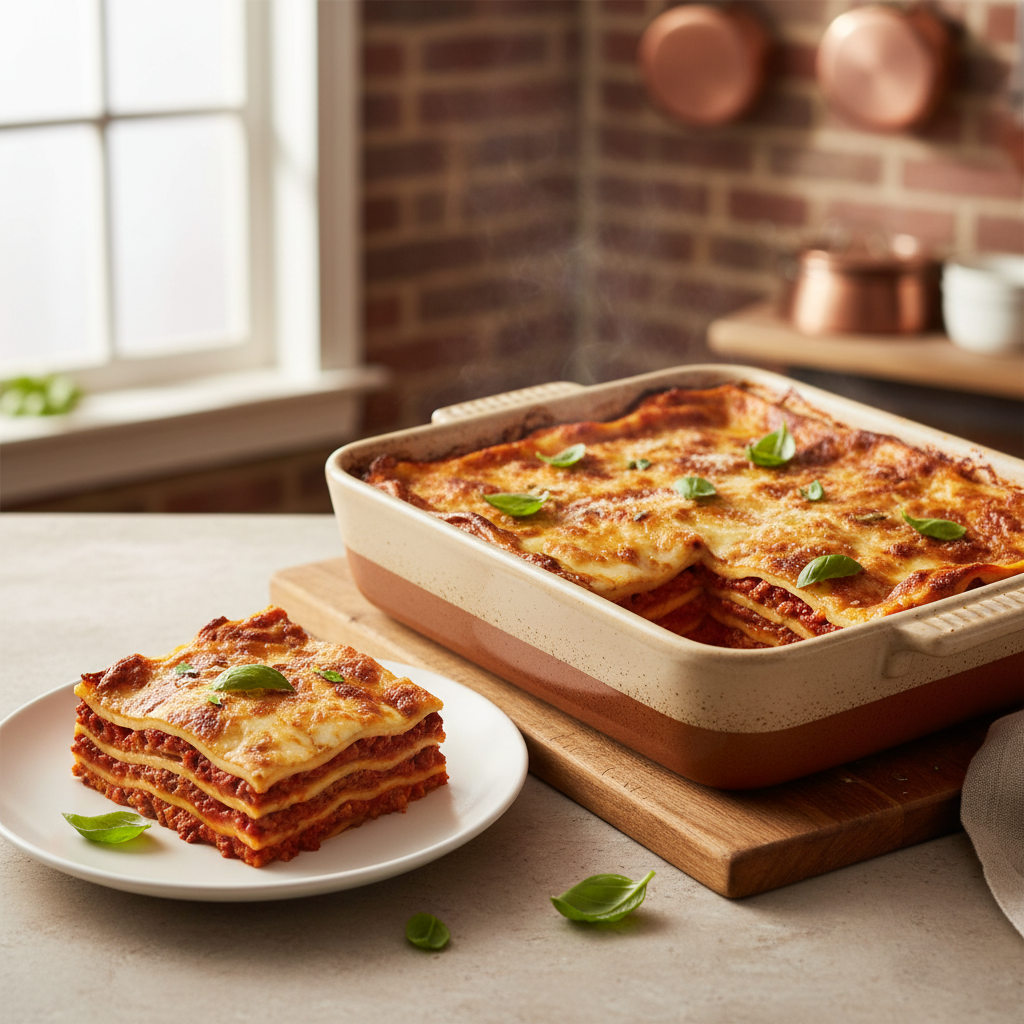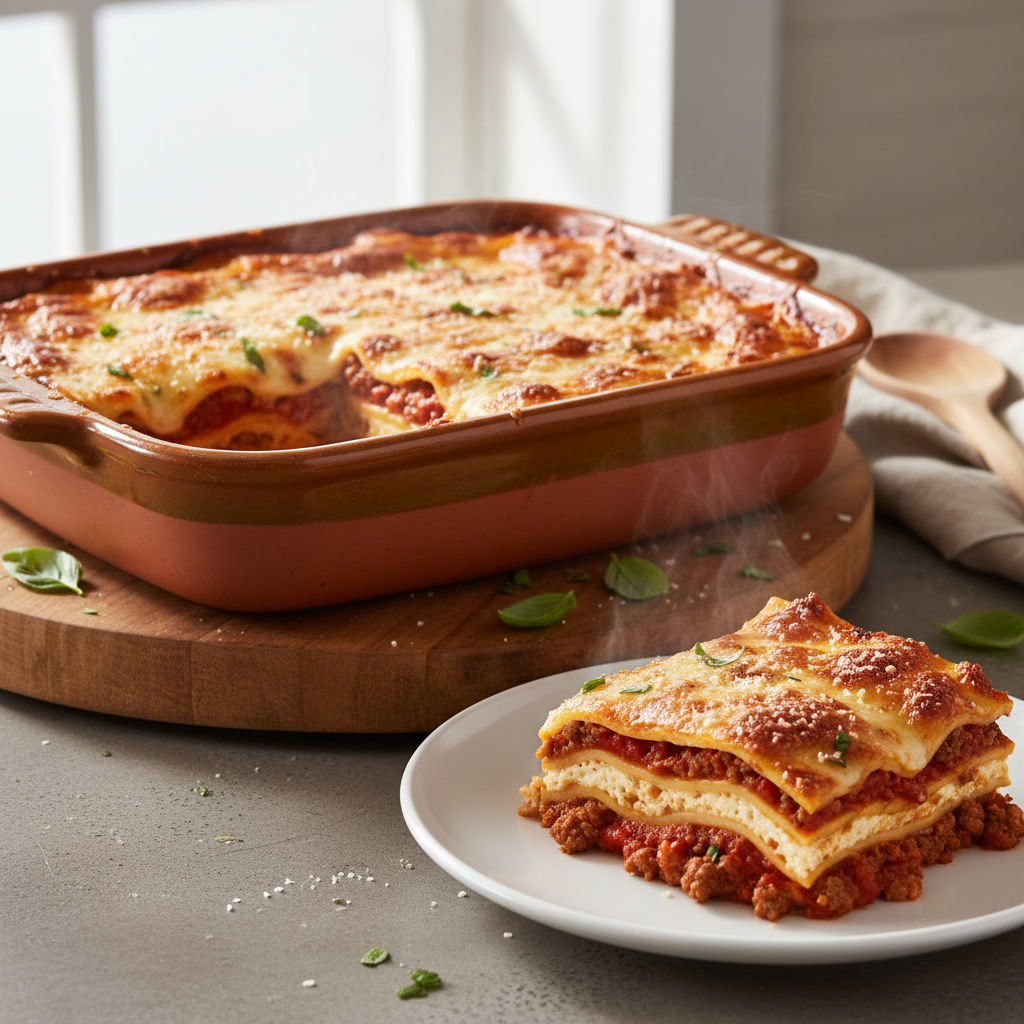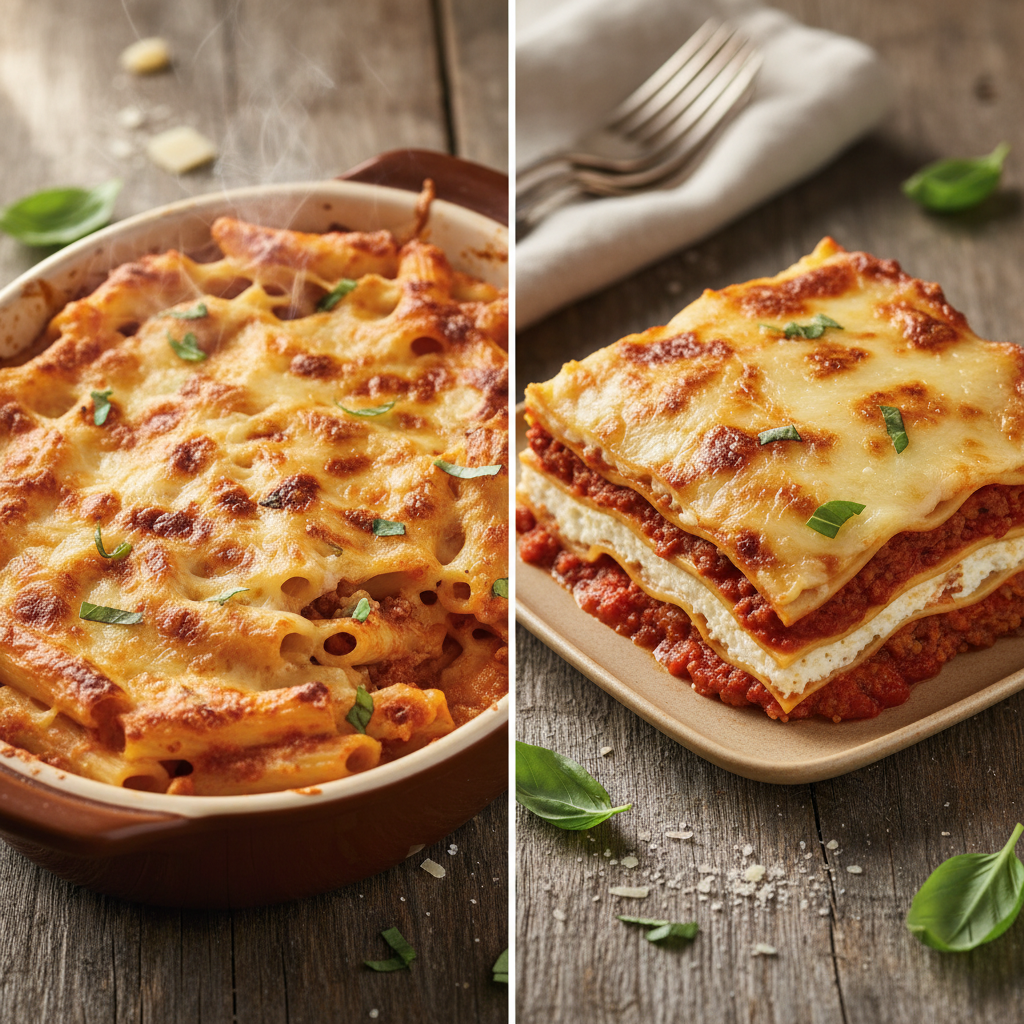
Baked ziti is a classic Italian-American casserole made with ziti pasta tubes mixed with a savory tomato-based sauce, ricotta cheese, and topped with melted mozzarella. It’s known for being a comforting, family-friendly meal that is generally easier and faster to assemble than lasagna because the pasta and sauce are stirred together rather than carefully layered.
Are you in the kitchen wondering what comforting, cheesy dinner to make? The choice often comes down to two Italian-American superstars: classic baked ziti or hearty lasagna. Both feature layers of pasta, rich sauce, and melted cheese, making them perfect for a family meal or a cozy night in. But how do you choose the right one, especially when you want an easy recipe that delivers big flavor without the fuss?
At Recipesmondial, we know choosing the right meal can be overwhelming, especially when you want simple dinner recipes that are also great family-friendly meals. This guide will help you navigate the delightful world of these two beloved pasta bakes. We’ll break down the key differences, from their unique pasta shapes and preparation times to their ingredient variations and flavor profiles. We’ll also share an easy baked ziti recipe perfect for beginners, with step-by-step guidance to help you cook confidently.
Whether you’re seeking approachable home cooking inspiration or simply want to discover new simple dishes, get ready to uncover the secrets to these flavorful meals. Let’s dive in to make your next dinner decision stress-free and delicious, helping you trade kitchen uncertainty for cooking with confidence.
Baked Ziti or Lasagna: What’s the Real Difference?
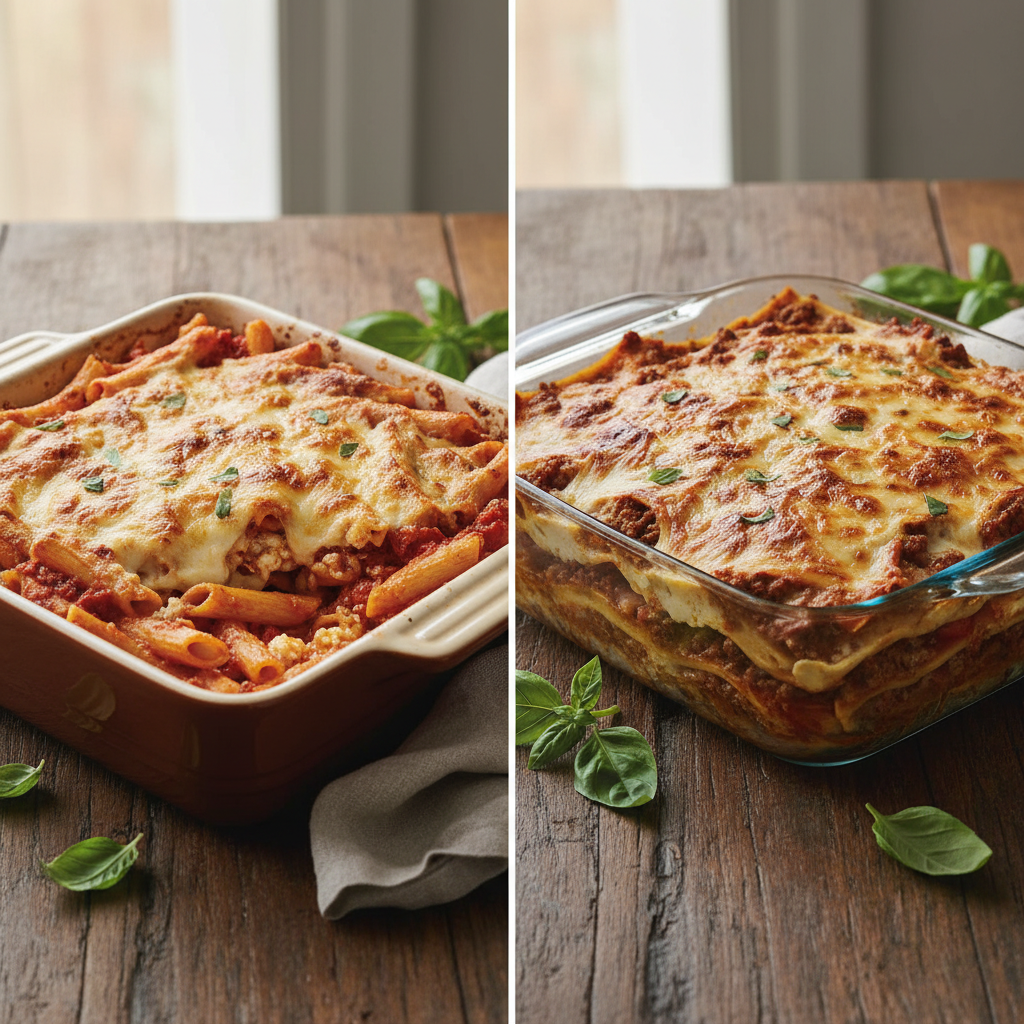
What is Baked Ziti?
Baked ziti is a beloved Italian-American comfort food made with tubular ziti pasta, a rich tomato sauce, and various cheeses. Essentially, it’s a hearty casserole that’s perfect for a weeknight dinner.
The name “ziti” comes from the Italian word “zita,” meaning “bride” or “fiancée” [1], as it was traditionally served at weddings. Today, it’s a fantastic and approachable option for family-friendly meals.
Key ingredients in a classic baked ziti recipe include:
- Ziti Pasta: Small, tube-shaped pasta.
- Tomato Sauce: Often a marinara or meat sauce (ragu).
- Cheese: Commonly ricotta, mozzarella, and Parmesan.
- Ground Meat (Optional): Many recipes use ground beef or Italian sausage for extra flavor.
The ingredients are either layered or mixed together, then baked until bubbly and golden. It’s a flavorful meal that’s easy enough for any busy family.
What is Lasagna?
Lasagna is another iconic Italian baked pasta dish, but it stands out because of its wide, flat pasta sheets. These sheets are carefully layered with sauce, cheese, and fillings like meat or vegetables to create a beautiful, multi-layered masterpiece.
The term “lasagna” refers to both the dish and the noodles themselves. As one of the oldest known pasta dishes [2], it has become a global comfort food staple that many home cooks enjoy preparing.
A traditional lasagna often includes:
- Wide Lasagna Noodles: Flat, rectangular pasta sheets.
- Sauce: Often a slow-cooked meat ragu or a rich béchamel sauce.
- Cheese: Commonly ricotta, mozzarella, and Parmesan, similar to baked ziti.
- Fillings: Ground meat, vegetables like spinach, or a combination.
Building each layer results in a dense, rich, and incredibly satisfying meal. Because of this, lasagna is a fantastic choice for special occasions or a comforting Sunday dinner.
Key Differences at a Glance
While both baked ziti and lasagna are beloved cheesy pasta bakes, they have several distinct characteristics. Understanding these differences will help you choose the perfect dish for your dinner table. Let’s compare them at a glance:
| Feature | Baked Ziti | Lasagna |
|---|---|---|
| Pasta Shape | Small, tube-shaped (ziti pasta) | Wide, flat, rectangular noodles |
| Structure | Usually mixed together or loosely layered; more uniform | Distinct, organized layers |
| Common Cheeses | Ricotta, mozzarella, Parmesan | Ricotta, mozzarella, Parmesan (or béchamel) |
| Sauce Type | Marinara or meat sauce (often simpler) | Meat ragu or béchamel sauce (often richer, slow-cooked) |
| Texture | Creamy, homogenous, easy to scoop | Distinct layers, firmer, sliced into portions |
| Preparation | Often quicker to assemble, beginner-friendly recipes | More involved layering, can take more time |
| Serving | Scooped directly from the dish | Sliced into individual portions |
In summary, baked ziti offers a simpler, more uniform casserole, while lasagna provides a structured, multi-layered experience. Both, however, are delicious and comforting options for any home cook.
The Ultimate Easy Baked Ziti Recipe for Beginners
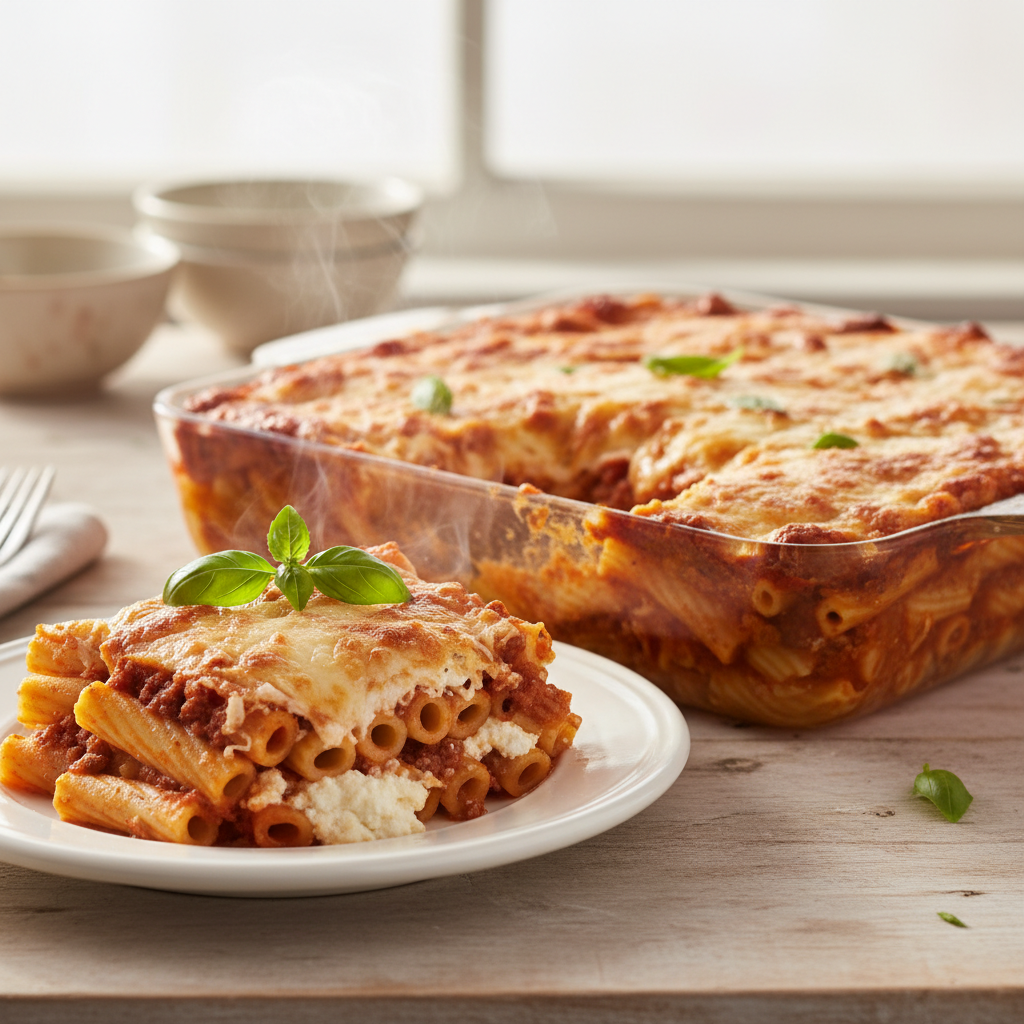
Why You’ll Love This Recipe
Overwhelmed by complex recipes or struggling to plan family-friendly meals? You’ve come to the right place. At Recipesmondial, we believe cooking should be enjoyable, not stressful.
This beginner-friendly baked ziti recipe is designed for simplicity. Perfect for busy weeknights or relaxed weekends, it helps you create a comforting, flavorful meal with minimal effort.
Here’s why this will become one of your favorite simple dinner recipes:
- Effortless Preparation: Simple, step-by-step instructions ensure success for cooks of all skill levels.
- Family-Friendly Flavors: This cheesy, satisfying pasta bake is a guaranteed crowd-pleaser, even for picky eaters.
- Reliable Results: Our straightforward method helps you turn simple ingredients into a delicious dish with confidence.
- Great for Meal Prep: Baked ziti stores and reheats beautifully, making it perfect for tasty leftovers.
- Budget-Friendly: This recipe relies on common, affordable ingredients, making it a smart choice for any budget.
Say goodbye to cooking doubts. Get ready to enjoy cooking and discover new flavors with Recipesmondial!
Ingredients for Classic Baked Ziti
Gathering your ingredients is the first step. This recipe uses everyday staples to create an approachable home-cooked meal. Here’s what you’ll need:
- 1 pound ziti pasta (or penne if ziti is unavailable)
- 1 tablespoon olive oil
- 1 pound ground beef (or Italian sausage, or a mix)
- 1 medium onion, chopped
- 2 cloves garlic, minced
- 1 (28 ounce) can crushed tomatoes
- 1 (15 ounce) can tomato sauce
- 1 teaspoon dried oregano
- ½ teaspoon dried basil
- ¼ teaspoon red pepper flakes (optional, for a little heat)
- Salt and freshly ground black pepper, to taste
- 1 cup ricotta cheese
- 1 large egg
- ¼ cup fresh parsley, chopped
- 2 cups shredded mozzarella cheese, divided
- ½ cup grated Parmesan cheese, divided
Ingredient Tip: Using high-quality canned tomatoes makes a big difference. Look for brands with few added ingredients for the freshest taste. Fresh parsley adds a lovely, bright finish to the dish.
Step-by-Step Cooking Instructions
Ready to cook? Follow these simple steps to create a delicious baked ziti. You’ll be amazed at how easily this flavorful meal comes together.
- Cook the Pasta: Bring a large pot of salted water to a boil. Add the ziti and cook according to package directions until al dente, meaning it should still have a slight bite. Drain the pasta well and set it aside.
- Brown the Meat: While the pasta cooks, heat the olive oil in a large skillet over medium-high heat. Add the ground beef and cook, breaking it apart with a spoon, until it is browned. Drain off any excess fat.
- Sauté the Aromatics: Add the chopped onion to the skillet and cook for about 5 minutes, until softened. Stir in the minced garlic and cook for another minute until fragrant.
- Simmer the Sauce: Pour in the crushed tomatoes and tomato sauce. Stir in the oregano, basil, and red pepper flakes (if using). Season with salt and pepper. Bring the sauce to a simmer, then reduce the heat to low, cover, and let it cook for at least 15 minutes to allow the flavors to meld.
- Prepare the Ricotta Mixture: In a medium bowl, combine the ricotta cheese, egg, and fresh parsley. Mix until smooth and season lightly with salt and pepper.
- Preheat Oven: Preheat your oven to 375°F (190°C). Lightly grease a 9×13-inch baking dish.
- Assemble the Casserole:
- Spread about 1 cup of meat sauce on the bottom of the prepared baking dish.
- Layer half of the cooked ziti over the sauce.
- Dot with spoonfuls of half of the ricotta mixture.
- Pour half of the remaining meat sauce over the ziti and ricotta.
- Repeat with a second layer of the remaining ziti, the rest of the ricotta mixture, and the final portion of meat sauce.
- First Bake: Cover the baking dish loosely with aluminum foil and bake for 20 minutes.
- Add Topping and Final Bake: Remove the foil and sprinkle the 2 cups of mozzarella and ½ cup of Parmesan cheese evenly over the top. Return the dish to the oven and bake uncovered for another 15-20 minutes, until the cheese is melted, bubbly, and lightly golden.
- Rest and Serve: Let the baked ziti rest for 10-15 minutes before serving. This step is important, as it allows the layers to set and makes slicing much easier. Enjoy your homemade meal!
Cooking Tip: Be careful not to overcook the pasta in step 1. It will continue to soften in the oven, and cooking it al dente ensures the final dish has the perfect texture.
Substitution Idea: To make a vegetarian baked ziti, simply omit the ground beef. For extra flavor and texture, you can add sautéed mushrooms, bell peppers, or spinach to the tomato sauce.
Baked ziti vs lasagna
Pasta Shape: Ziti vs. Flat Noodles
When choosing between baked ziti and lasagna, the pasta shape is the most significant difference. This single element defines the structure and feel of the entire dish.
Baked ziti is made with medium-sized, tube-shaped pasta. The ziti’s smooth surface and hollow shape are perfect for capturing sauce, ensuring every bite delivers a satisfying burst of flavor. This simple but effective design is key to a great baked ziti.
Lasagna, in contrast, uses wide, flat, rectangular sheets of pasta. These noodles are specifically designed for creating distinct strata. The large surface area of each sheet holds plenty of sauce, cheese, and other fillings, building an impressive, layered meal.
While both are delicious baked pasta dishes, their foundational pasta shapes set them on two very different paths.
Preparation Time and Effort
The time and effort required in the kitchen are key differences between baked ziti and lasagna. One is a straightforward weeknight meal, while the other is more of a weekend cooking project.
Baked ziti is known for its simple assembly. After cooking the pasta, you just mix it with sauce and cheese, transfer it to a baking dish, and bake. This approachable method makes it a fantastic choice for a quick and satisfying dinner without much fuss.
Lasagna typically requires a more detailed layering process. You carefully arrange the flat noodles with sauce, ricotta, and other fillings, repeating the steps to build the dish. This process takes more hands-on time and is often reserved for special occasions, but the effort results in a stunning, family-friendly meal.
If you need a simple recipe with minimal steps, baked ziti is your winner. If you have more time and want to enjoy the cooking process, lasagna is a wonderful option.
Texture and Flavor Profile
The different pasta shapes and preparation methods result in two very distinct eating experiences. Each dish offers a unique combination of textures and flavors.
In baked ziti, all the ingredients are mixed together before baking. This creates a cohesive and uniform texture where the flavors meld into a rich, cheesy, and tomato-forward comfort food. Each forkful delivers a consistent blend of soft pasta, savory sauce, and gooey melted cheese.
Lasagna, by contrast, provides a delightful variety of textures in every bite. The distinct layers allow you to experience the firm chew of the pasta, the creaminess of the ricotta, the savory fillings, and the stretchy mozzarella separately yet all at once. This structure allows individual flavors to shine, creating a more complex profile.
Ultimately, your choice depends on what you’re craving. Do you prefer a blended, uniform dish, or one with distinct, stacked layers of flavor and texture?
Common Recipe Variations You Can Try
Baked Ziti with Ricotta
Adding ricotta cheese is a classic way to make baked ziti incredibly creamy and rich. Its mild sweetness balances the savory tomato sauce and creates pockets of soft, delicious cheese throughout the dish.
To use ricotta, you can mix it into your sauce for uniform creaminess or layer it between the pasta and sauce. For an even richer texture, try combining it with an egg and fresh parsley. This simple step elevates any baked ziti.
- Creamy Layers: Mix ricotta with a little egg, salt, and pepper. Spread this mixture as a layer over your pasta before adding the sauce and more cheese.
- Mixed In: For a more uniform creaminess, stir ricotta directly into your tomato sauce before combining it with the cooked ziti.
- Flavor Boost: Add fresh parsley and a pinch of nutmeg to your ricotta mixture for extra flavor that makes this family-friendly meal even more special.
Baked Ziti without Ricotta
Don’t have ricotta on hand, or simply prefer a different texture? You can still make a delicious, comforting baked ziti. Without ricotta, the dish remains wonderfully cheesy, and many recipes adapt easily to achieve a rich, creamy result.
Here are some simple ways to keep your baked ziti moist and flavorful without ricotta:
- Extra Mozzarella: Simply increase the amount of mozzarella or add provolone for extra-melty results.
- Cottage Cheese: As a fantastic substitute, cottage cheese provides a similar texture and tang. Blend it briefly for a smoother consistency.
- Cream Cheese: Stir a few tablespoons of softened cream cheese into your sauce for incredible richness. It melts beautifully and adds a lovely tang.
- Bechamel Sauce: For a truly decadent touch, make a simple béchamel (white sauce) and layer it with your pasta and tomato sauce. This adds a luxurious creaminess.
Vegetarian Baked Ziti (No Meat)
A vegetarian baked ziti is a flavorful and satisfying meal for everyone. By swapping meat for healthy vegetables, you can easily adapt any recipe into a comforting, family-friendly pasta bake.
Adding a variety of vegetables is a simple way to boost the dish’s flavor and nutrients, creating a satisfying meal that’s perfect for beginners.
- Mushroom Magic: Sauté sliced mushrooms (cremini, shiitake, or portobello) until golden. They add a deep, umami flavor that mimics meatiness.
- Spinach and Zucchini: Wilt fresh spinach or sauté diced zucchini and bell peppers to add color, texture, and vitamins.
- Legume Power: Stir a can of rinsed and drained lentils or chickpeas into your sauce. They add protein and make the dish more filling. [3]
- Roasted Vegetables: Roast chunks of eggplant, bell peppers, and onions before adding them to the bake. Roasting deepens their flavor and brings out their natural sweetness.
Baked Ziti with Ground Beef or Sausage
For a heartier, classic baked ziti, add ground beef or Italian sausage. These meats provide a robust flavor and satisfying texture, turning the dish into a filling, crowd-pleasing meal.
Here’s how to create a delicious, meaty baked ziti:
- Ground Beef: In a large skillet, brown one pound of lean ground beef, then drain any excess fat. Stir in your favorite marinara sauce, season with Italian herbs, and simmer.
- Italian Sausage: For a wonderful punch of flavor, use hot or mild Italian sausage. Remove the casings, crumble the sausage into a skillet, and brown it. Drain the fat before adding your sauce.
- Flavorful Mix: For a deeper, more complex flavor profile, use a combination of both ground beef and Italian sausage.
- Spice It Up: Add a pinch of red pepper flakes while the meat cooks to give your baked ziti a subtle, warm kick.
What’s the Difference Between Ziti Pasta vs Penne?
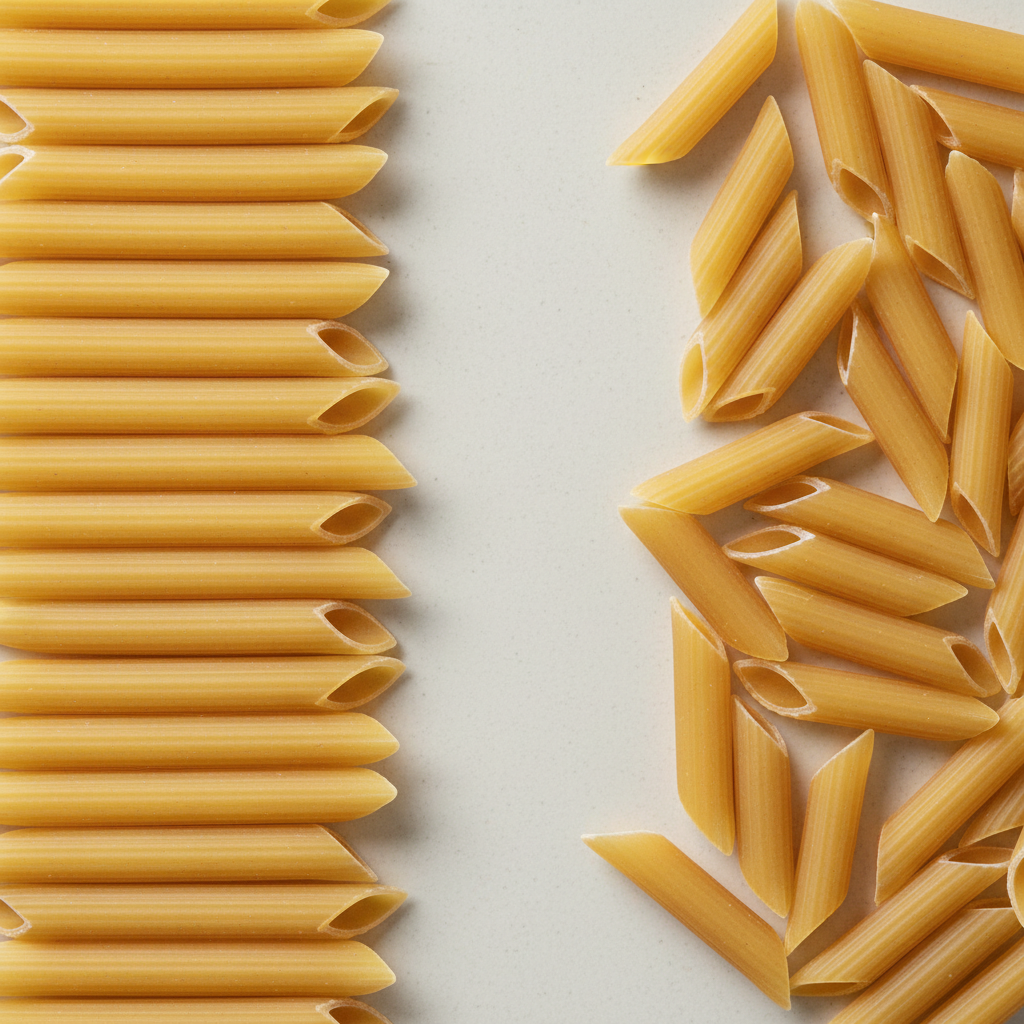
Ziti vs. Penne vs. Rigatoni
Navigating the world of pasta can be daunting, especially with so many similar-looking shapes. But don’t worry—we’re here to make it simple. Ziti, penne, and rigatoni are all delicious tube-shaped pastas, but each has unique characteristics. These differences determine how well they hold sauce and what their texture is like. Understanding them will help you pick the best pasta for your next easy dinner recipe.
Here’s a quick breakdown:
| Pasta Shape | Key Features | Ideal Use |
|---|---|---|
| Ziti |
|
|
| Penne |
|
|
| Rigatoni |
|
|
Ultimately, while they are all tubes, their length, end cuts, and ridges make a significant difference. These features affect how much sauce clings to each piece and change the overall texture of your dish.
Can You Substitute Penne for Ziti?
Absolutely! This is a common question for home cooks who need to work with what’s in the pantry. Penne makes an excellent substitute for ziti in most baked dishes, and many beginner-friendly recipes allow for this flexibility.
Here’s why penne works so well:
- Similar Shape: Both are tubes, making them great for trapping rich sauces and cheeses inside.
- Holds Up to Baking: Penne is sturdy enough to withstand long baking times without becoming mushy, which is crucial for any baked pasta dish.
- Sauce Absorption: Penne rigate, with its ridges, is fantastic at holding onto sauce, ensuring every bite is flavorful.
When using penne in a baked ziti recipe, follow these simple tips:
- Cook Al Dente: Boil the penne until it’s just slightly firm, as it will finish cooking in the oven. This step prevents overcooked, mushy pasta.
- Consider the Ridges: If you use penne rigate, the ridges will add texture and help the delicious sauce cling to the pasta.
- No Breaking Needed: Unlike traditional ziti, you don’t need to break penne before cooking because it’s already the perfect size.
So, if you’re out of ziti, feel free to grab that box of penne. Your baked pasta dish will still be delicious and satisfying!
Best Pasta Shapes for a Baked Dish
Choosing the right pasta for a baked dish is key. You need a shape that is sturdy enough to hold up to baking and can trap plenty of sauce and cheese. This ensures a delicious and cohesive meal.
Look for these qualities in a pasta for baking:
- Durability: The pasta needs to hold its shape and not turn to mush under the oven’s high heat.
- Sauce Retention: Shapes with holes, ridges, or curves are best because they effectively trap rich sauces and melted cheese.
- Even Cooking: The shape should allow for even cooking throughout the casserole.
Beyond ziti and penne, many other shapes shine in baked dishes. These are perfect for quick dinner recipes and family-friendly meals:
- Rigatoni: Its large size and deep ridges are ideal for thick, hearty sauces.
- Cavatappi: These corkscrew-shaped tubes have excellent sauce-holding capabilities.
- Orecchiette: Known as “little ears,” this pasta creates small scoops that capture chunky sauces wonderfully.
- Large Shells (Conchiglie): These are perfect for stuffing with cheese and meat fillings.
- Elbow Macaroni: A classic for baked macaroni and cheese, it’s sturdy and holds creamy sauces well.
Experiment with different shapes to discover your family’s favorite for a comforting pasta bake. The goal is always a delicious and easy meal, and these practical tips can help you cook more confidently.
Tips for the Best Baked Ziti Every Time
Don’t Overcook Your Pasta
The secret to perfect baked ziti starts before it even hits the oven. For the best results, cook your pasta al dente, which means it should still be slightly firm to the bite. Since it will finish cooking in the oven, this crucial step prevents a mushy texture.
- Boil for less time: Check the cooking instructions on your ziti pasta package, but reduce the recommended time by 2-3 minutes. This ensures the pasta is perfectly al dente.
- Why it matters: Properly al dente pasta absorbs the sauce as it bakes to perfection. In contrast, overcooked pasta will become soft and lose its shape.
- Drain well: After cooking, drain your pasta thoroughly to avoid adding extra water to your dish.
This simple step makes a huge difference in achieving the ideal texture, ensuring your baked ziti is delicious every time.
Choosing the Right Sauce
A delicious sauce is the heart of any baked ziti recipe because it brings all the flavors together. Your choice of sauce can elevate the entire dish, so don’t underestimate its importance.
- Quality matters: For a quick option, use a high-quality jarred marinara sauce. Alternatively, you can try making your own simple sauce from scratch.
- Thickness is key: Your sauce shouldn’t be too watery. A thicker sauce coats the pasta better and prevents the ziti from drying out in the oven.
- Flavor options:
- Classic Marinara: A rich, simple tomato sauce is always a winner.
- Meat Sauce: For a heartier meal with a robust flavor profile, add ground beef or Italian sausage.
- Vegetable Sauce: Boost nutrition by adding finely diced veggies like carrots, celery, and bell peppers.
- Taste and adjust: Always taste your sauce before assembling and adjust seasonings like salt, pepper, and herbs as needed.
A well-balanced sauce ensures every bite is bursting with flavor, making your baked ziti truly irresistible.
How to Store and Reheat Leftovers
Baked ziti is a fantastic meal prep option that often tastes even better the next day. Knowing how to store and reheat it properly is essential for enjoying your leftovers.
- Cool quickly: To prevent bacterial growth, allow your baked ziti to cool down before storing it.
- Airtight containers: Transfer leftovers into airtight containers to keep them fresh in the refrigerator or freezer.
- Refrigeration: Store in the refrigerator for up to 3-4 days [5].
- Freezing for later: Baked ziti freezes wonderfully.
- Divide it into individual portions.
- Place portions in freezer-safe containers or bags.
- It can be frozen for up to 2-3 months.
- Reheating in the oven:
- Preheat your oven to 350°F (175°C).
- Cover the dish with foil to prevent it from drying out.
- Bake for 20-30 minutes, or until heated through.
- For the last 5-10 minutes, remove the foil to help crisp the top.
- Reheating in the microwave:
- Place a single serving on a microwave-safe plate.
- Add a splash of water or broth to help keep it moist.
- Cover the plate loosely.
- Heat for 2-3 minutes, stirring halfway through.
These simple storage tips make it easy to enjoy delicious baked ziti anytime, providing a perfect solution for quick meals on busy weeknights.
Frequently Asked Questions About Baked Ziti
What is an authentic baked ziti recipe?
An authentic baked ziti recipe is all about simple, comforting flavors that make for a hearty pasta dish. At its core, it combines ziti pasta with a rich tomato sauce and a blend of delicious cheeses—typically creamy ricotta, melty mozzarella, and sharp Parmesan.
Classic recipes often include ground meat, such as beef or Italian sausage, to add a wonderful depth of flavor. However, delicious vegetarian versions are also very popular. The ingredients are layered in a baking dish and baked until bubbly and golden, creating an irresistible crust over a tender interior. It’s a perfect example of family-friendly meals and approachable home cooking.
What is a good ziti pasta substitute?
If you don’t have ziti on hand, don’t worry. Many other pasta shapes work beautifully in a baked dish. The key is to choose a sturdy pasta that can hold sauce well and stand up to baking without becoming mushy.
Here are some excellent substitutes for ziti:
- Penne: This is arguably the most common substitute. Its tube shape and angled ends are perfect for holding sauce.
- Rigatoni: These wide, ridged tubes are fantastic for capturing hearty meat sauces and cheese.
- Mostaccioli: Similar to penne but often smooth instead of ridged, this is another great tube-shaped option.
- Cavatappi: This fun, corkscrew-shaped pasta has plenty of nooks and crannies to trap sauce.
Using these alternatives ensures you can still enjoy a delicious baked pasta dish, highlighting the flexibility of simple dinner recipes. No matter which pasta you choose, just remember to cook it al dente before baking.
How do you keep baked ziti from drying out?
No one wants a dry baked ziti. Fortunately, keeping your dish moist and delicious is simple. Follow these tips for a perfectly tender and saucy result every time:
- Use enough sauce: This is the most crucial step. Don’t be shy with the sauce, as it keeps the pasta hydrated while baking. Make sure every piece of pasta is well coated.
- Cook pasta al dente: The pasta will continue to cook in the oven, so boil it only until it’s al dente. This allows it to absorb sauce without becoming mushy.
- Cover while baking: Cover the dish with aluminum foil for most of the baking time. This step traps steam and moisture, preventing the top from drying out.
- Add extra liquid if needed: If your sauce seems very thick, a little extra liquid can make a big difference. Stir in about a quarter cup of water or vegetable broth.
- Don’t overbake: A common cause of dryness is simply baking it too long. Your ziti is ready once it’s heated through and the cheese is bubbly and melted.
Following this step-by-step cooking guidance will help you achieve a wonderfully moist and flavorful meal made easy.
Can I assemble baked ziti ahead of time?
Absolutely! Baked ziti is a fantastic make-ahead meal, which is great news for busy families and anyone seeking meal prep ideas. Assembling it in advance not only saves time but also allows the flavors to meld beautifully.
Here’s how to prepare baked ziti ahead of time:
- Cook and cool the pasta: Cook your pasta to al dente. To stop the cooking process, rinse it under cold water, then toss with a little olive oil to prevent sticking. Let it cool completely.
- Prepare the other components: Make your sauce and prepare any cheese mixtures according to your recipe.
- Assemble the dish: Layer the cooled pasta, sauce, and cheeses in your baking dish as you normally would.
- Cover and refrigerate: Cover the dish tightly, first with plastic wrap and then with aluminum foil. You can refrigerate it for up to 2-3 days. [6]
- Bake from the fridge: When you’re ready to bake, let the dish sit at room temperature for about 30 minutes. Bake as directed, adding an extra 10-15 minutes to ensure it is heated through and bubbly.
Making baked ziti in advance is a simple hack that makes this easy recipe perfect for any night of the week. It’s a great example of approachable home cooking that makes mealtime stress-free.
Sources
- https://www.barilla.com/en-us/pasta-shapes/ziti
- https://www.sharethrough.com/resources/blog/origins-of-lasagna
- https://www.hsph.harvard.edu/nutritionsource/legumes/
- https://www.thenibble.com/reviews/main/pasta/pasta2/ziti-rigatoni.asp
- https://www.foodsafety.gov/food-safety-charts/cold-food-storage-chart
- https://www.foodsafety.gov/keep/charts/cookfrozendanger.html