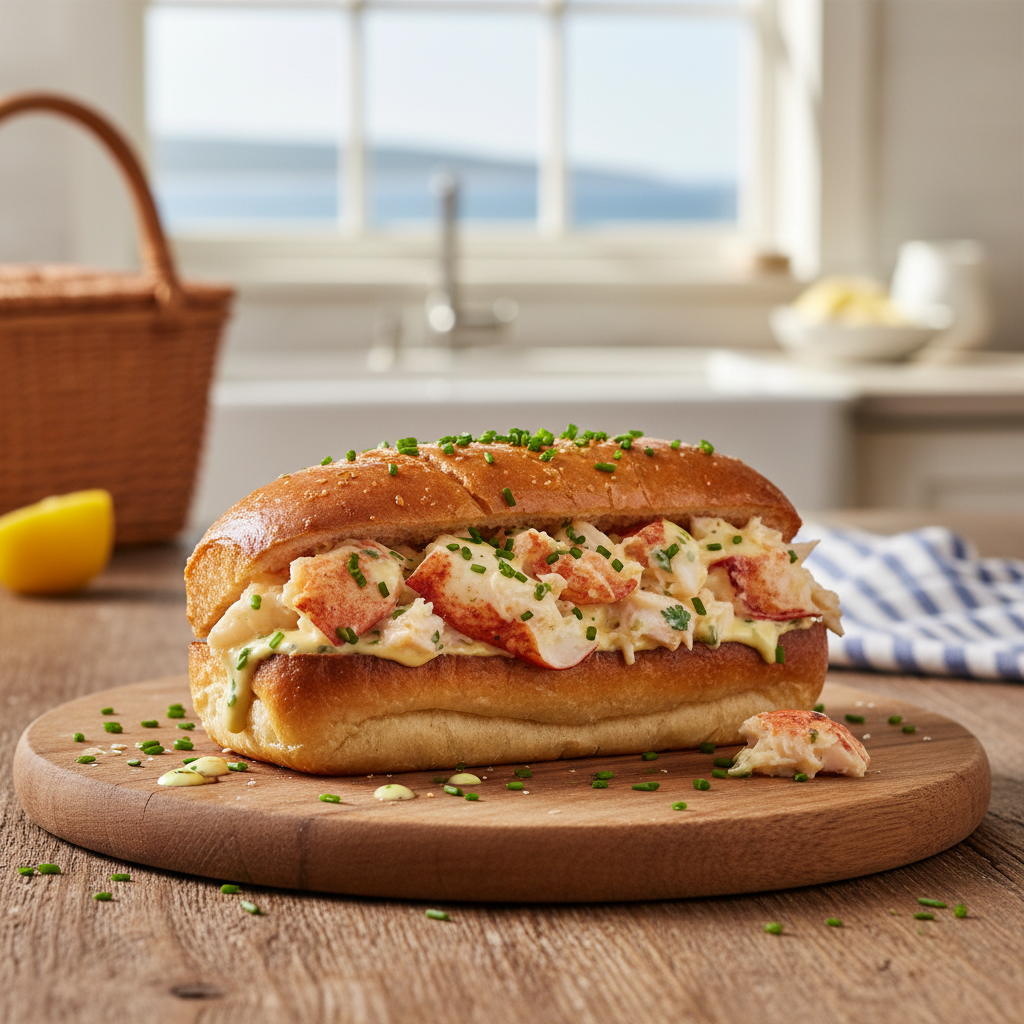
A lobster roll is a classic American sandwich originating from New England. It consists of tender, cooked lobster meat served in a toasted, buttered, split-top hot dog bun. The two most popular styles are the Maine lobster roll, served cold with a mayonnaise-based dressing, and the Connecticut lobster roll, served warm with melted butter.
Imagine sinking your teeth into a perfectly toasted bun overflowing with succulent, sweet lobster meat. Sounds like a dream, right? For many home cooks, however, making a great lobster roll seems like a complex task best left to seaside restaurants. You might feel intimidated by the recipe, unsure where to start, or simply lack the confidence to try. But we’re here to show you that the best lobster roll is not only possible to make at home but also genuinely simple and rewarding.
At Recipesmondial, we believe enjoying delicious, restaurant-quality meals at home should be stress-free and fun. Our goal is to turn kitchen uncertainty into culinary confidence. That’s why our easy recipes offer clear, step-by-step guidance that eliminates guesswork. This guide will walk you through every stage of the process, proving that even an iconic meal can be a beginner-friendly recipe. Get ready to cook without stress and discover the joy of preparing a truly special dish.
Whether you prefer the creamy, cool delight of a Maine-style lobster roll or the warm, buttery indulgence of a Connecticut-style one, this guide is for you. We’ll explore the key differences between them, help you select the freshest ingredients, and share practical tips to make your dish shine. Our approachable method focuses on simplicity over complex techniques, ensuring you get perfect, mouth-watering results every time. Let’s start cooking a memorable meal that will impress everyone and build your kitchen confidence along the way.
What Makes a Perfect Lobster Roll?
The Star of the Show: Fresh, Flavorful Lobster
At the heart of any amazing lobster roll is the lobster itself. Fresh, sweet meat is essential for tender, succulent pieces that are never rubbery. Overcooking is a common mistake that ruins the texture, so handle it with care. The best meat, offering a mix of textures, comes from the tail, claws, and knuckles. For the best flavor, always choose fresh, sustainably sourced lobster [1], as it makes all the difference in the final dish.
The Delicate Balance: Dressing and Seasoning
The dressing should enhance, not overpower, the lobster. The two main approaches—a light mayonnaise-based mix or warm melted butter—both aim to highlight the lobster’s natural sweetness. A perfect dressing adds moisture, richness, and a subtle layer of flavor without drowning the delicate seafood. Simple seasoning is most effective; a pinch of salt, a twist of pepper, and a bit of fresh lemon juice or chives will elevate the dish and bring out the lobster’s best qualities.
The Unsung Hero: The Buttered, Toasted Bun
The bun is the perfect vehicle for the lobster filling. A classic New England-style hot dog bun is the ideal choice, as its flat sides are perfect for toasting. Brush the sides generously with butter and toast them until golden brown. This step creates a delightful crispy exterior, adding another layer of flavor and texture. The warm, buttery bun cradles the filling, transforming a good lobster roll into a great one.
Harmony in Every Bite
Ultimately, a perfect lobster roll is about harmony. The sweet lobster, rich dressing, and warm, buttery bun must come together to create a balanced bite. This symphony of textures and flavors is a truly satisfying culinary experience. Instead of complex ingredients, focus on high-quality components and simple preparation. With this approach, you can confidently create your own perfect lobster roll at home.
Which Lobster Roll Style is for You: Maine vs. Connecticut?
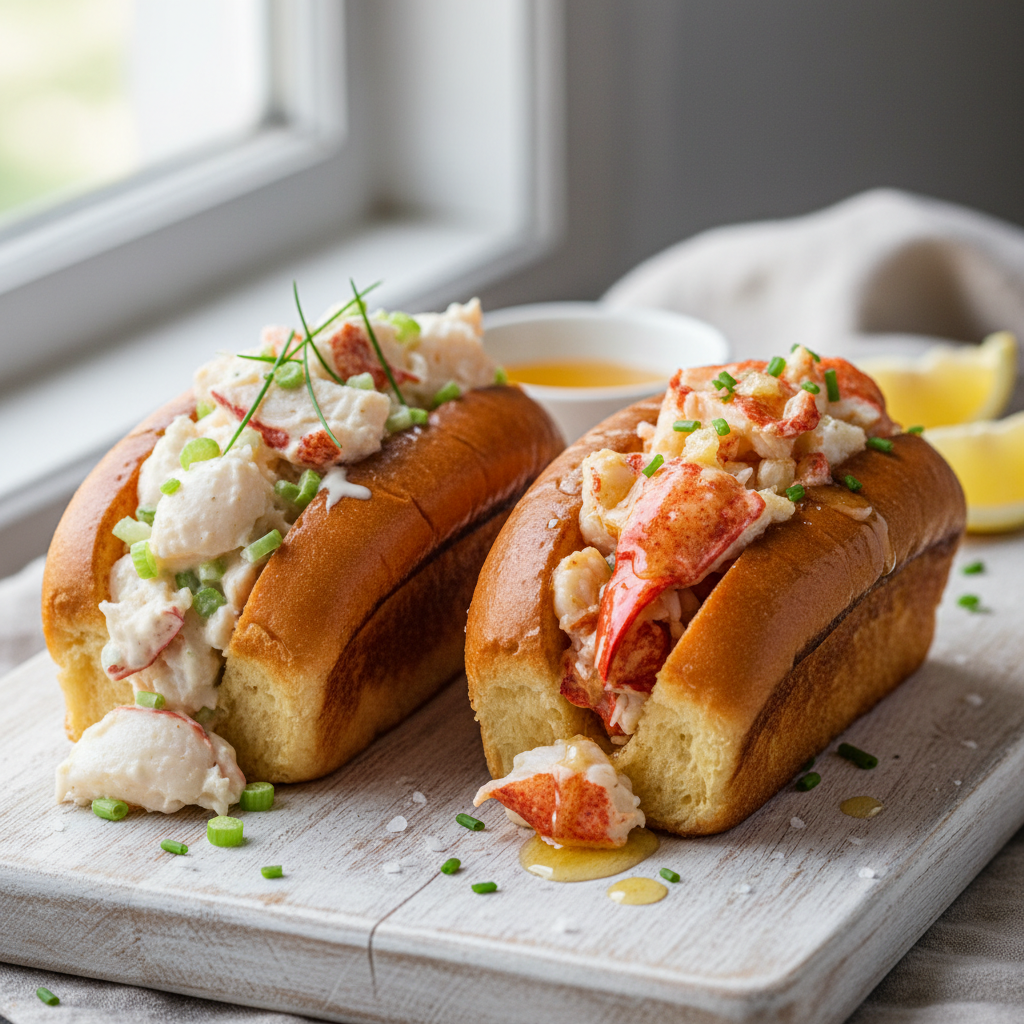
Choosing between lobster roll styles is part of the fun, but it can feel overwhelming. The good news? There are really only two main types to know. Understanding the difference makes this delicious decision easy. Both are fantastic options for flavorful meals made easy right in your kitchen.
Each style offers a unique experience, but they both highlight the sweet, tender taste of lobster. Let’s explore the classic Maine and the indulgent Connecticut versions. You’ll soon discover which one perfectly fits your craving, helping you cook with confidence.
The Classic Maine Lobster Roll (Cold with Mayo)
The Maine lobster roll is a beloved classic that celebrates the fresh taste of lobster. This cold preparation is wonderfully refreshing, making it a popular choice for a first lobster roll recipe. It truly embodies summer seaside dining.
Here’s what makes the Maine style so special:
- Temperature: The lobster meat is always served chilled. This keeps the texture firm and succulent.
- Dressing: It features a light coating of mayonnaise. This dressing is typically very subtle to enhance the lobster’s natural sweetness.
- Flavor Profile: Expect a fresh, creamy, and sweet taste. The mayo acts as a binder, not a dominant flavor.
- Common Add-ins: Sometimes, a touch of finely chopped celery or chives is included for a subtle crunch and fresh herb note. A squeeze of lemon juice is also common.
- Bun Style: It rests in a perfectly toasted, buttered split-top hot dog bun. The bun’s buttery warmth contrasts with the cold filling.
This easy recipe is perfect for those who love creamy textures and classic flavors. As a fantastic beginner-friendly recipe, it allows the lobster to truly shine, transforming simple ingredients into a delightful meal.
The Warm Connecticut Lobster Roll (Hot with Butter)
For butter lovers, the Connecticut lobster roll is a dream come true. This style offers a warm, comforting, and purely indulgent experience. It showcases the rich side of this classic dish.
Let’s look at what defines the Connecticut style:
- Temperature: The lobster meat is served warm. It might be gently heated or simply tossed while still warm from cooking.
- Dressing: It’s generously tossed in hot, melted butter, creating a decadent, savory coating.
- Flavor Profile: Prepare for a rich, buttery, and deeply savory flavor. The butter melts into every crevice of the lobster.
- Common Add-ins: Often, a simple squeeze of fresh lemon juice is added to brighten the rich butter flavor. Parsley can also offer a fresh contrast.
- Bun Style: Just like its Maine counterpart, it uses a toasted, buttered split-top hot dog bun. The warm bun is essential for this experience.
This variation is ideal if you crave a warm, rich, and comforting meal. It’s another simple dinner recipe that promises satisfying results with minimal effort. Ultimately, both styles offer approachable home cooking for everyone.
To help you decide, here is a quick comparison of these two delicious lobster roll styles:
| Style | Temperature | Primary Dressing | Key Flavor Profile | Best For |
|---|---|---|---|---|
| Maine Lobster Roll | Chilled | Light Mayonnaise | Fresh, Creamy, Sweet | Those who enjoy refreshing, classic tastes and creamy textures. |
| Connecticut Lobster Roll | Warm | Melted Butter | Rich, Buttery, Savory | Those who love warm, indulgent dishes and rich, buttery flavors. |
What Ingredients Do You Need for an Easy Lobster Roll?
For the Lobster Filling
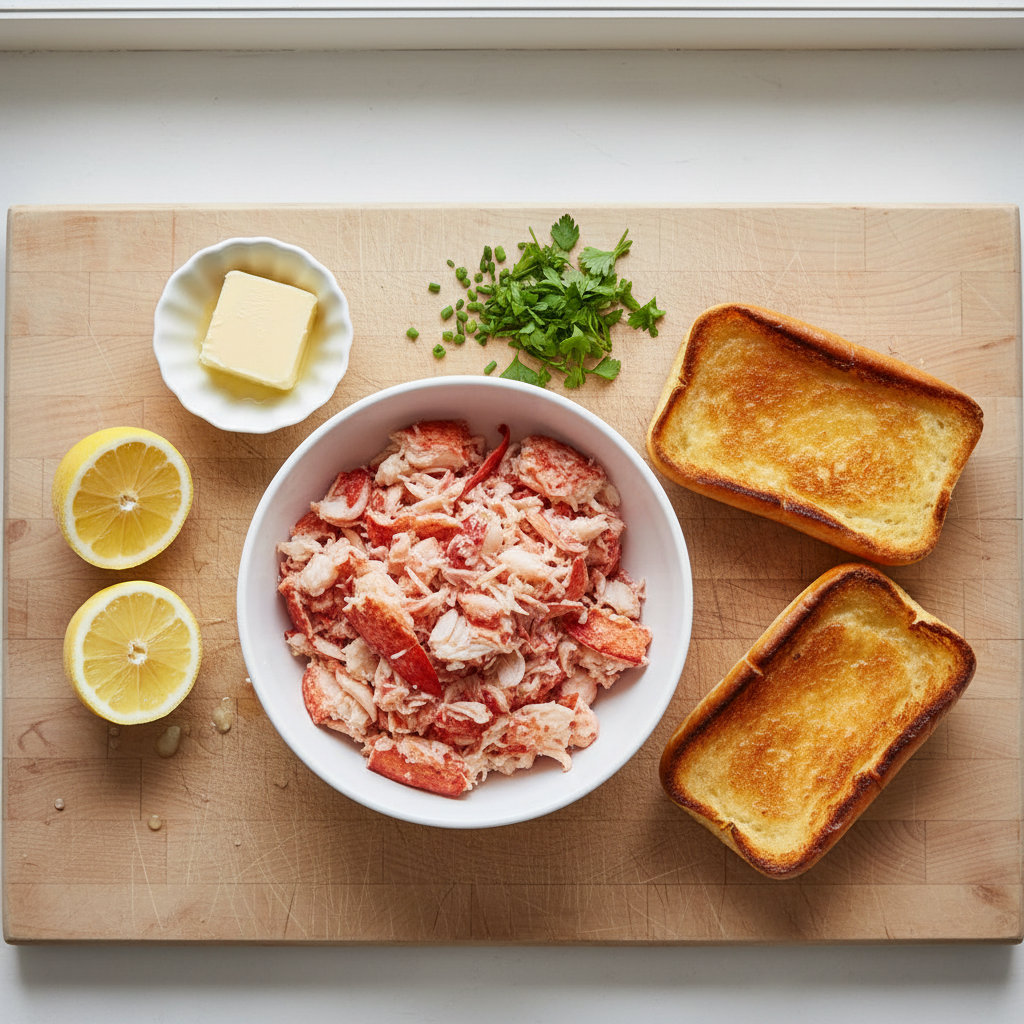
A truly unforgettable lobster roll starts with high-quality ingredients. This section outlines everything you need for the star of the show: the succulent lobster filling. We’ve kept the recipe simple, making it easy for any home cook to master.
Key Ingredients for Your Lobster Filling:
- Cooked Lobster Meat: About 1 pound (450g) of cooked lobster meat, ideally a mix of claw, knuckle, and tail. While freshly cooked lobster is best, pre-cooked frozen meat also works well—just be sure to thaw it properly.
- Mayonnaise (for Maine Style): 1/4 cup of good-quality, full-fat mayonnaise. Choose a brand you love to create a creamy, rich base with the best flavor.
- Unsalted Butter, Melted (for Connecticut Style): 1/4 cup of melted unsalted butter. Butter is essential for a classic warm lobster roll, and using clarified butter will provide an even purer flavor.
- Fresh Lemon Juice: 1 tablespoon. A squeeze of fresh lemon juice brightens the overall flavor and cuts through the richness beautifully.
- Celery (Optional for Maine Style): 1-2 stalks, finely diced. A traditional ingredient in many cold lobster rolls, celery adds a wonderful crunch and a touch of freshness.
- Fresh Chives or Parsley: 1 tablespoon, finely chopped. These herbs add a pop of color and a fresh, subtle oniony or herbaceous note.
- Salt: 1/4 teaspoon, or to taste. Seasoning is essential to enhance the natural sweetness of the lobster.
- Black Pepper: 1/8 teaspoon, freshly ground, or to taste. Using freshly ground pepper makes a noticeable difference.
The quality of your lobster is key. Live lobsters will always provide the freshest meat, but if you’re using pre-cooked, choose a high-quality option for the best results. The type of lobster also impacts taste; cold-water varieties, like those from Maine, are prized for their sweet, tender meat [2].
This simple combination of ingredients allows the lobster’s natural sweetness to shine through. The recipe is designed to be easily adaptable, ensuring you can create a flavorful meal right in your own kitchen.
For the Buns
The bun is more than just a vessel; it’s a crucial part of the lobster roll experience. The perfect bun provides an ideal texture and taste that complements the filling without overpowering it.
Essential Ingredients for Your Buns:
- Split-Top Hot Dog Buns: 4-6 split-top buns (also called “New England-style” buns). Their unique flat sides are perfect for buttering and toasting until wonderfully golden brown.
- Unsalted Butter: 2-3 tablespoons, melted. Use this to generously toast the buns, which adds richness and a beautiful crispness.
For an authentic lobster roll, the split-top bun is non-negotiable. Toasting the buttered sides is an equally important step, as it creates a delicious barrier that prevents the bun from becoming soggy. A perfectly crisp, golden-brown bun is the simple detail that elevates your homemade lobster roll to restaurant quality.
How to Make the Perfect Lobster Roll: Step-by-Step
Step 1: Cook and Prepare the Lobster Meat
The secret to a perfect lobster roll is perfectly cooked meat. This guide offers a few simple methods for achieving tender, flavorful lobster without any stress.
Option 1: Using Pre-Cooked Lobster Meat (Easiest Method)
Using pre-cooked lobster meat is a fantastic, time-saving choice. You can find it fresh or frozen at most fish markets and grocery stores, making this an approachable project for any home cook.
- If frozen, thaw the lobster meat completely in the refrigerator overnight.
- Drain any excess liquid before using.
- Chop the lobster meat into bite-sized pieces. Aim for chunks, not shreds, to maintain its wonderful texture.
Option 2: Cooking Whole Live Lobster or Lobster Tails
For maximum freshness, cooking your own lobster is easier than it seems. Steaming and boiling are the two most effective methods.
For Whole Live Lobster:
- Bring a large pot of salted water to a rolling boil. For steaming, use a steamer basket over an inch or two of boiling water.
- Carefully place the lobsters headfirst into the boiling water or steamer.
- Cover the pot tightly.
- Cook for 7-10 minutes for 1-1.5 lb lobsters, or until the shells are bright red and the meat is opaque. A good rule of thumb is about 7 minutes per pound for boiling [3].
- Immediately transfer the lobsters to an ice bath. This stops the cooking process and keeps the meat tender.
- Once cool enough to handle, twist off the claws and tail.
- Crack open the shells and carefully extract all the meat. Don’t forget the incredibly sweet knuckle meat in the claws.
- Chop the meat into nice, chunky pieces.
For Lobster Tails:
- If frozen, thaw lobster tails in the refrigerator.
- Bring a pot of salted water to a gentle boil.
- Add the lobster tails to the water.
- Cook for 5-8 minutes, depending on size. The meat is done when the shells are red and the meat is opaque and firm.
- Remove from the water and plunge into an ice bath to cool.
- Once cool, use kitchen shears to cut down the center of the soft underside of the tail shell.
- Gently pull the meat from the shell and chop it into bite-sized pieces.
Pro Tip for Best Flavor: Always chill cooked lobster meat thoroughly in the refrigerator for at least 30 minutes before making the filling. Cold lobster is key for a classic, refreshing lobster roll.
Step 2: Mix the Lobster Filling
Now it’s time to create the irresistible filling. Whether you prefer the classic Maine style (cold with mayo) or Connecticut style (hot with butter), this step is about gentle mixing to balance the flavors.
For the Classic Maine Lobster Roll (Cold):
- In a medium bowl, start with your chilled, chopped lobster meat.
- Add 2-3 tablespoons of high-quality mayonnaise. Start with less and add more to taste. The goal is to lightly coat the lobster, not drown it in mayo.
- Stir in 1 tablespoon of finely chopped celery for a refreshing crunch.
- Squeeze in 1 teaspoon of fresh lemon juice to brighten the flavors.
- Season with a pinch of salt and a grind of black pepper.
- Gently fold everything together until just combined. Avoid overmixing, which can break down the delicate lobster meat.
- Taste and adjust the seasonings if needed.
For the Warm Connecticut Lobster Roll (Hot):
- Melt 3-4 tablespoons of unsalted butter in a small saucepan or a microwave-safe bowl.
- Gently warm the chopped lobster meat in a separate skillet over low heat or in the microwave. Heat it just until warmed through, being careful not to overcook it.
- Once warm, transfer the lobster meat to a bowl.
- Pour the melted butter over the warm lobster.
- Add a pinch of salt and a grind of black pepper.
- Very gently toss to combine.
Substitution Tip: If you don’t have fresh celery for the Maine style, a sprinkle of finely chopped chives or scallions can add a similar fresh crunch.
Step 3: Toast the Buns
The bun is a key part of the lobster roll experience. A warm, buttery, and properly toasted bun adds essential texture and richness that elevates every bite.
- Generously butter the outside surfaces of your split-top hot dog buns. Use softened unsalted butter for the best flavor.
- Heat a large non-stick skillet or griddle over medium-low heat.
- Place the buns butter-side down on the hot skillet.
- Toast for 2-3 minutes per side until golden brown and crisp. Watch them closely to prevent burning.
- Alternatively, you can lightly grill the buns for a subtle smoky flavor.
- Remove the buns from the heat as soon as they are toasted.
Bun Insight: Split-top buns are traditional because their flat sides are perfect for toasting, creating a sturdy yet soft vessel for the filling. If you can’t find them, any high-quality hot dog bun will work.
Step 4: Assemble Your Lobster Rolls
You’re at the final step: assembling the rolls. This is where all the components come together to create a delicious and satisfying meal.
- Carefully open each warm, toasted bun.
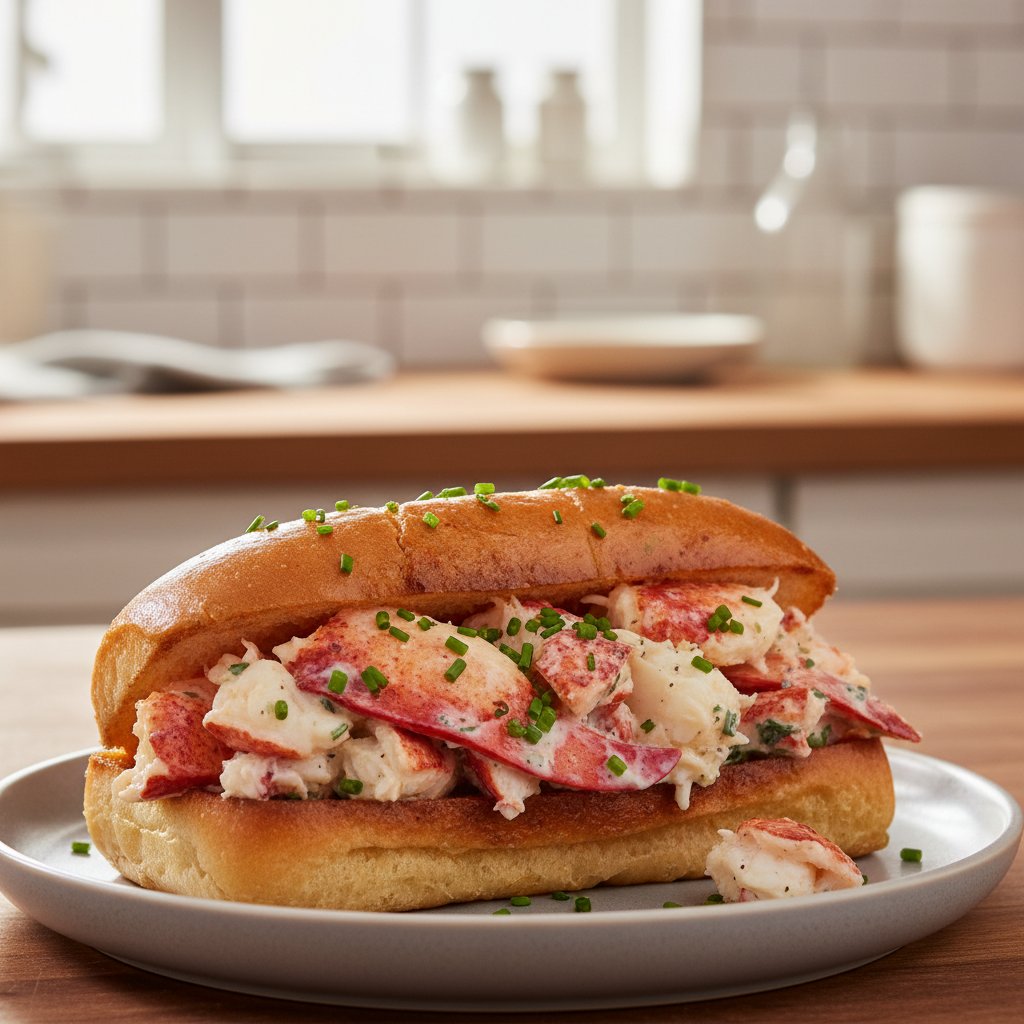
- Spoon a generous amount of your prepared lobster filling into each bun. Heap it high for that classic, abundant look.
- For Maine-style rolls: Garnish with a sprinkle of fresh chopped chives or parsley for color and freshness. A small lemon wedge on the side is a nice touch.
- For Connecticut-style rolls: A light dusting of paprika or a few chopped chives can enhance the flavor and visual appeal.
- Serve immediately and enjoy your homemade lobster rolls!
Serving Suggestion: These lobster rolls pair wonderfully with crispy potato chips, fresh coleslaw, or a simple green salad for a complete meal.
What are the Best Tips for a Flavorful Lobster Roll?
Choosing the Right Lobster
A memorable lobster roll starts with the star ingredient: the lobster. For the best flavor and texture, fresh is non-negotiable. This single choice will elevate your lobster roll from good to unforgettable.
- Go for Fresh Lobster: Whenever possible, choose a live lobster for the freshest, sweetest meat. A healthy lobster will be active and curl its tail when handled. Cold-water lobsters, particularly from Maine, are famous for a delicate flavor that’s perfect for a classic roll [4].
- Pre-Cooked or Frozen Options: If live lobster is not an option, high-quality frozen lobster meat is a good substitute. Be sure to thaw it slowly in the refrigerator overnight. Always avoid meat that looks discolored or has an off smell.
- Cooking Method Matters: Steaming and boiling are the ideal ways to cook lobster, as both methods preserve its tender texture and natural sweetness. To prevent tough, rubbery meat, watch the time carefully and cook only until it’s just done.
Using fresh, perfectly cooked lobster is the most important step toward creating an incredible lobster roll.
Don’t Overdress the Meat
The beauty of a lobster roll is the pure, rich taste of the lobster itself. To honor that, resist the common urge to overdress the meat. A light hand with the dressing is key.
- Less is More: Whether you prefer a cold, mayo-based Maine-style roll or a warm, buttery Connecticut-style one, the goal is to let the lobster shine. A small amount of dressing should enhance the flavor, not overwhelm it.
- Maine-Style (Cold): For a cold lobster roll, a light touch of mayonnaise, a squeeze of lemon juice, and a sprinkle of chives or celery is all you need. The goal is to bind the meat lightly, not to drown it. This approach highlights the lobster’s delicate flavor.
- Connecticut-Style (Warm): For the warm version, melted butter is all you need. Simply toss the warm lobster meat with high-quality melted butter and perhaps a touch of lemon juice to brighten the flavor.
- Taste as You Go: Add dressing incrementally, mixing gently after each addition. You can always add more, but you can’t take it away. This simple technique helps you achieve the perfect balance.
By focusing on the lobster’s natural flavor, you ensure the main ingredient remains the star of the show.
The Importance of a Good Bun
While the lobster is the star, the bun plays a crucial supporting role. The right bun adds texture and flavor, creating the perfect foundation for the filling.
- Choose the Right Bun: Opt for a soft, top-split hot dog bun. Its flat sides are perfect for buttering and toasting, and it holds the filling securely. A rich, buttery brioche bun is also an excellent choice [5].
- Butter and Toast: This step is non-negotiable. Generously butter both outer sides of the bun and toast them in a pan or on a griddle until golden brown and crispy. This not only adds flavor but also prevents the bun from becoming soggy.
- Freshness is Key: Always use fresh buns. A stale bun will detract from the taste and texture of your otherwise perfect lobster roll.
A perfectly toasted bun provides the ideal warm, buttery vessel for your lobster filling, completing the classic experience.
What Should You Serve with Lobster Rolls?
You’ve mastered the art of making a delicious lobster roll—congratulations! Now, let’s complete the meal. Choosing the right side dish elevates your dining experience, transforming a simple sandwich into a memorable feast. Here at Recipesmondial, we love easy recipes with big flavor, so we’ll guide you through the perfect pairings for your homemade lobster rolls.
Fresh and Light Pairings
Because lobster rolls are so rich and satisfying, fresh, light sides create a wonderful balance. These simple options cleanse the palate, add vibrant flavor, and help make mealtime stress-free.
- Simple Green Salad: A crisp mixed green salad is always a winner. Toss it with a light lemon vinaigrette for a bright, tangy contrast that’s both quick and healthy.
- Cucumber and Dill Salad: This refreshing salad is incredibly easy to make. Simply slice cucumbers thinly and mix them with fresh dill, a splash of vinegar, and a pinch of sugar for a fantastic, beginner-friendly side.
- Tomato and Basil Salad: Embrace the flavors of summer by combining juicy cherry tomatoes with fresh basil leaves. Finish with a drizzle of olive oil and balsamic glaze for a simple dish that bursts with freshness.
- Fresh Fruit Salad: For a naturally sweet side, a fruit salad is perfect. Use seasonal berries, melon, or grapes to easily add color and vitamins to your meal.
Classic Comfort Sides
Some pairings are classic for a reason. These comfort sides beautifully complement the lobster roll, adding a familiar, hearty touch to the meal. These family-friendly options are sure to be a hit.
- Creamy Coleslaw: A homemade coleslaw is a quintessential pairing. Its crisp texture and tangy dressing cut through the richness of the lobster, and you can even make it ahead for easy meal prep.
- Classic Potato Salad: Creamy potato salad is another beloved option whose savory flavor and satisfying texture are a perfect match. For extra crunch, try making it with red potatoes and a touch of celery.
- Grilled Corn on the Cob: Sweet corn on the cob is a simple delight, especially when grilled. Grilling adds a smoky sweetness that only needs a pat of butter and a sprinkle of salt to complete.
- Crispy Kettle Chips: Sometimes, the simplest sides are the best. A bag of high-quality kettle chips provides a satisfying crunch and serves as an effortless side dish solution.
Beverages and Sweet Endings
Don’t forget a drink and a sweet treat to round out your meal. The right beverage and dessert will make your lobster roll dinner feel truly special and complete.
- Refreshing Lemonade or Iced Tea: A tall glass of homemade lemonade or freshly brewed iced tea is ideal, as its crisp flavor complements seafood wonderfully. Plus, it’s easy to prepare in advance.
- Sparkling Water with Lemon: For a lighter, hydrating option, sparkling water with a squeeze of fresh lemon is perfect. It’s simple and refreshing.
- Berry Pie or Crisp: End your meal on a sweet note with a warm berry pie or a simple fruit crisp. The tartness of the berries makes this a delightful choice that pairs perfectly with a seafood dinner.
Serving lobster rolls should be a joyful, stress-free experience. With these easy side dish ideas, you can create a complete meal that truly shines. We believe confident cooking comes from simple steps and delicious results. Enjoy your flavorful feast from all of us at Recipesmondial!
Frequently Asked Questions
What is the difference between a Maine and Connecticut lobster roll?
The key difference between these two classic lobster roll styles is how the lobster meat is prepared and served. One is chilled and mayonnaise-based, while the other is warm and butter-based. Both are incredibly flavorful and easy to make at home!
| Style | Key Characteristics | Flavor Profile | Best For |
|---|---|---|---|
| Maine Lobster Roll |
|
Creamy, refreshing, and bright. Highlights the sweet lobster flavor with a tangy complement. | Those who love a classic, cool seafood salad feel. Perfect for a warm day! |
| Connecticut Lobster Roll |
|
Rich, buttery, and intensely savory. Emphasizes the natural sweetness of the warm lobster. | Folks who enjoy the pure, unadulterated taste of lobster, enhanced by butter. A comforting treat! |
Ultimately, both variations offer a fantastic experience. Choosing between them is a fun part of making your own easy lobster roll recipe!
What kind of buns are best for lobster rolls?
For a truly delicious lobster roll, the bun is just as important as the lobster itself! We highly recommend using a top-split hot dog bun for the best results. Here’s why:
- Top-Split Design: These buns have flat sides that are perfect for buttering and toasting. This creates a golden, crispy exterior and a soft, warm interior.
- Ideal Shape: The upright design holds the generous lobster filling perfectly, making each bite easy and mess-free.
- Texture and Taste: They are typically soft and slightly sweet, providing a wonderful contrast to the rich lobster filling.
If you can’t find top-split buns, a brioche hot dog bun is a fantastic alternative. Its rich, slightly sweet flavor and soft texture are a wonderful complement to the lobster. No matter which bun you choose, be sure to butter and toast it well. This crucial step prevents sogginess and adds incredible flavor to your homemade lobster roll.
Can you use frozen lobster meat for a lobster roll recipe?
Absolutely! Using frozen lobster meat is a convenient and smart option, especially when fresh lobster isn’t readily available. This makes it much easier to prepare a delicious lobster roll at home.
When choosing frozen lobster, look for high-quality, pre-cooked meat. Here are some tips for success:
- Thaw Properly: For the best texture and flavor, always thaw frozen lobster meat slowly in the refrigerator overnight.
- Drain Well: After thawing, drain any excess liquid thoroughly. Patting the meat dry prevents your lobster roll from becoming watery.
- Check for Quality: Before mixing, taste a small piece of the thawed lobster to ensure it has a sweet, fresh flavor.
Using frozen lobster meat significantly cuts down on prep time, making this a quick and reliable way to enjoy a gourmet-quality meal without complex preparation.
How do you keep lobster rolls from getting soggy?
No one wants a soggy lobster roll! Fortunately, keeping your buns crisp is simple with a few key tricks. Following these tips will ensure a fantastic texture every time:
- Toast Your Buns Thoroughly: This is the most crucial step. Buttering and toasting your buns until golden brown creates a barrier that prevents moisture from soaking into the bread.
- Drain the Lobster Meat: Whether you’re using fresh or thawed frozen lobster, pat it very dry with paper towels. Excess water is the primary cause of sogginess.
- Avoid Over-Dressing (Maine Style): When making a Maine-style roll, use mayonnaise sparingly. You need just enough to bind the lobster, not drown it in a watery dressing.
- Serve Immediately: For the best texture, assemble your lobster rolls right before you plan to eat them. This ensures the buns stay crisp and the filling is fresh.
By following these simple steps, you’ll serve a perfectly textured lobster roll every time, ensuring the bun stays crisp from the first bite to the last.
Sources
- https://www.seafoodwatch.org/seafood-recommendations/groups/lobster
- https://extension.umaine.edu/maine-sea-grant/publications/focus-on-fresh-maine-lobster/
- https://www.maine.gov/dmr/fisheries/commercial/lobster/how-to-cook-lobster.html
- https://www.maine.gov/dmr/fisheries/lobster-crab/lobster-facts
- https://www.seriouseats.com/what-is-the-best-bun-for-a-lobster-roll