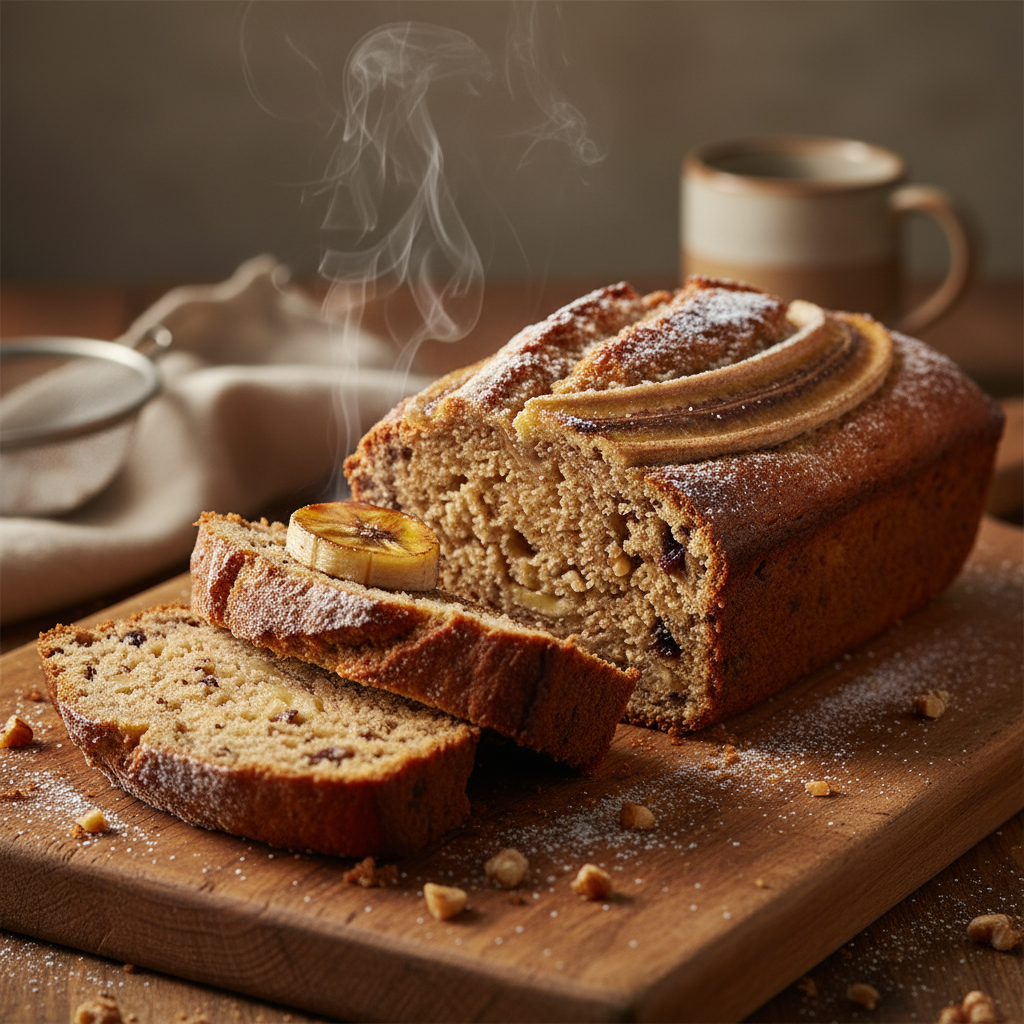
A classic cheesecake is a rich, creamy dessert made with a buttery biscuit base and a smooth filling of cream cheese, sugar, eggs, and sour cream. To achieve the perfect texture, it is typically baked slowly in a water bath, which prevents cracks and ensures it sets evenly. This method creates the decadent, dense dessert that is loved worldwide.
Is there anything more satisfying than a perfectly creamy slice of cheesecake? With its rich, velvety texture and sweet, tangy flavor, this dessert often feels like a luxurious restaurant treat. While many home cooks dream of baking a stunning cheesecake, the idea of tackling such a classic can feel daunting. You might worry about cracks, a soggy crust, or achieving that signature smooth finish.
Here at Recipesmondial, we believe every home cook deserves to experience the joy of baking impressive desserts without the stress. That’s why we’re excited to share our ultimate cheesecake recipe, designed to guide you through every step. Our method isn’t just easy; it’s reliable, ensuring you get a gloriously smooth, crack-free result every time. Forget complex techniques or intimidating jargon. We’re here to build your confidence and make approachable home cooking a delicious reality.
Get ready to transform simple ingredients into a show-stopping dessert. In this guide, we’ll walk you through the entire process, from selecting the right components to mastering the baking technique. We’ll also share crucial tips for that perfect finish. Let’s dive into what truly makes a great cheesecake irresistible!
What Makes a Great Cheesecake Recipe?
Making a truly amazing cheesecake might seem challenging, but it’s very achievable for any home cook. At Recipesmondial, we believe the best recipes transform simple ingredients into a show-stopping dessert without stress or complicated steps. It all comes down to a few key elements that make a cheesecake recipe shine.
The Hallmarks of a Fantastic Cheesecake
What sets a great cheesecake recipe apart? It comes down to clarity, flavor, and a perfect texture every time. A great recipe should also build your confidence, not leave you feeling overwhelmed by complex steps.
- Simple, Quality Ingredients: A great cheesecake relies on fresh, everyday ingredients like full-fat cream cheese, fresh eggs, and quality sugar. These items are easy to find and form the backbone of your delicious dessert. For instance, using high-quality cream cheese makes a huge difference in the final texture and taste.
- Clear, Step-by-Step Instructions: The best recipes guide you effortlessly through each stage with clear, actionable steps. They avoid technical jargon, which is crucial for beginners. From preparing the crust to cooling the final cheesecake, you’ll know exactly what to do, preventing any uncertainty in the kitchen.
- Velvety Smooth Texture: A superior cheesecake should have an incredibly creamy, smooth texture that melts in your mouth with no graininess. Achieving this perfect consistency involves gentle mixing and correct baking temperatures—details our best cheesecake recipe focuses on.
- Balanced Flavor Profile: A great cheesecake is never overly sweet. Instead, it features a lovely tang from the cream cheese that balances beautifully with the sugar. Subtle hints of vanilla or lemon zest can further enhance the flavor, creating a rich and satisfying taste.
- A Sturdy, Flavorful Crust: As the foundation of your cheesecake, the crust should be buttery, slightly crumbly, and a perfect complement to the creamy filling. A classic graham cracker crust is a favorite for a reason: it adds a wonderful textural contrast to every bite.
- Reliable Results and Troubleshooting Tips: A superior recipe anticipates common questions and offers helpful solutions, such as how to prevent cracks or achieve a perfect golden crust. These practical tips make the process more enjoyable and less stressful, helping you build confidence in your skills.
At Recipesmondial, our goal is simple: to provide easy recipes that deliver fantastic results. We ensure every cheesecake recipe is simple to follow and incredibly flavorful, helping you move from uncertainty to confidence in the kitchen. Get ready to create delicious, visually appealing meals and discover new simple dishes you can enjoy making without stress!
Our Best Cheesecake Recipe for Beginners

Ready to bake a show-stopping dessert without the fuss? This beginner-friendly cheesecake recipe is your ticket to a creamy, dreamy masterpiece. At Recipesmondial, we believe baking should be enjoyable, not stressful. That’s why we’ve designed this guide to make a perfect cheesecake achievable for anyone.
Say goodbye to feeling overwhelmed by complex instructions. We’ve broken down every step to help you gain confidence in the kitchen. This recipe promises a delicious dessert made easy, perfect for family gatherings or impressing guests.
Cheesecake Ingredients You’ll Need
Gathering your ingredients is the first exciting step. This recipe uses common, everyday items you can find easily. For the creamiest texture and richest flavor, be sure to use full-fat dairy products as listed below.
For the Graham Cracker Crust:
- 1 ½ cups (180g) graham cracker crumbs: About 10-12 full graham cracker sheets, finely crushed.
- ¼ cup (50g) granulated sugar: Adds a touch of sweetness.
- 6 tablespoons (85g) unsalted butter: Melted. This binds the crumbs together.
- Pinch of salt: Enhances the flavor.
For the Cheesecake Filling:
- 32 ounces (4 blocks) full-fat cream cheese: Softened to room temperature. This is crucial for a smooth batter.
- 1 ½ cups (300g) granulated sugar: For sweetness.
- ¼ cup (60ml) heavy cream (or sour cream): Adds richness and tang.
- 2 teaspoons vanilla extract: Pure vanilla is best for flavor.
- 4 large eggs: Room temperature. Also important for a smooth, uniform batter.
- 1 tablespoon all-purpose flour: Helps prevent cracking.
Step-by-Step Baking Instructions
Now, let’s get baking! Follow these simple instructions carefully to ensure a perfect, stress-free result every time.
Prepare the Crust:
- Preheat your oven: Set it to 350°F (175°C).
- Prepare your pan: Use a 9-inch springform pan. Wrap the outside tightly with two layers of heavy-duty aluminum foil to prevent water from seeping in during the water bath.
- Combine crust ingredients: In a medium bowl, mix the graham cracker crumbs, sugar, and salt. Pour in the melted butter and stir until all crumbs are evenly moistened.
- Press into pan: Press the mixture firmly and evenly into the bottom of the prepared springform pan. The bottom of a measuring cup works well for this.
- Bake the crust: Bake for 8-10 minutes to help it set. Remove it from the oven and let it cool slightly while you prepare the filling. Reduce the oven temperature to 325°F (160°C).
Make the Cheesecake Filling:
- Beat cream cheese: In a large bowl using an electric mixer, beat the softened cream cheese on medium speed for 2-3 minutes until completely smooth and creamy.
- Add sugar: Gradually add the granulated sugar and beat until just combined. Scrape down the sides of the bowl to ensure everything is mixed in. Do not overmix.
- Mix in cream and vanilla: Add the heavy cream (or sour cream) and vanilla extract. Beat on low speed until well incorporated.
- Incorporate eggs: Add the eggs one at a time, beating on low speed just until each yolk disappears. Overmixing at this stage can introduce too much air, which leads to cracks.
- Add flour: Sprinkle in the flour and mix on low speed just until combined.
Bake Your Cheesecake:
- Pour filling: Pour the cheesecake batter over the cooled crust in the springform pan.
- Prepare water bath: Place the foil-wrapped springform pan inside a larger roasting pan. Carefully pour hot water into the roasting pan until it comes about halfway up the sides of the springform pan. The water bath is key for even baking and a crack-free surface. [1]
- Bake: Carefully transfer the roasting pan to the preheated 325°F (160°C) oven. Bake for 60-75 minutes. The edges of the cheesecake should be set, but the center will still be slightly jiggly.
- Cool gradually: Turn off the oven and prop the door open slightly with a wooden spoon. Let the cheesecake cool slowly in the water bath inside the oven for 1 hour. This prevents sudden temperature changes that cause cracks.
- Chill: Remove the cheesecake from the water bath and roasting pan. Carefully remove the foil. Let it cool completely on a wire rack. Once at room temperature, cover it lightly and refrigerate for at least 6 hours, or preferably overnight, to allow it to set and develop its full flavor.
Tips for a Perfect, Crack-Free Cheesecake
Achieving a perfectly smooth top is easier than you think. Follow these key tips to prevent cracks and ensure a flawless result.
- Room Temperature Ingredients are Key: Using room temperature cream cheese and eggs is essential. They combine more easily, preventing lumps and reducing the need for overmixing.
- Don’t Overmix the Batter: Overmixing adds air bubbles that can expand and burst during baking, leading to cracks. Mix on low speed and stop as soon as the ingredients are just combined.
- Use a Water Bath: The steam from a water bath creates a moist, humid environment. This promotes gentle, even baking and prevents the top from drying out and cracking.
- Cool Slowly: Sudden temperature changes are a cheesecake’s enemy. To avoid cracks, cool it gradually: first in the turned-off oven, then on a wire rack at room temperature, and finally in the refrigerator.
- Avoid Opening the Oven Door: Resist the urge to peek while the cheesecake is baking. Opening the door causes the oven temperature to drop dramatically, which can disrupt the baking process and cause cracks.
- Run a Knife Around the Edges: Before refrigerating, gently run a thin knife around the edge of the pan. As the cheesecake chills and shrinks slightly, this step prevents it from sticking to the sides and cracking.
What Are the Different Types of Cheesecake?

The Classic Baked New York Cheesecake
When you think of a traditional cheesecake, the iconic New York style often comes to mind. This classic is beloved for its incredible richness, wonderful density, and a creamy texture that melts in your mouth.
A true New York cheesecake recipe relies on a few key ingredients, including a generous amount of full-fat cream cheese, eggs, and sugar. A touch of sour cream is often added to the filling, which makes the cheesecake extra smooth and tangy. The crust is typically a simple, buttery, and firm graham cracker base. Arnold Reuben is widely credited with creating the New York style cheesecake in the early 20th century [2].
The secret to its signature texture is gentle, slow baking. To achieve perfect results, many home cooks use a water bath. This method helps the cheesecake bake evenly and prevents cracks from forming on top. Mastering this baked cheesecake recipe is a rewarding experience for any home cook, as it creates a truly luxurious dessert and builds confidence in the kitchen.
Recipesmondial offers a reliable, step-by-step guide for this indulgent treat. Our best cheesecake recipe is simple to follow and ensures a creamy, crack-free masterpiece every time.
Easy No-Bake Cheesecake Variations
If you’re short on time or prefer a lighter dessert, no-bake cheesecakes are an excellent choice. Perfect for busy families, these easy recipes come together quickly and effortlessly, with no oven required.
Instead of baking, no-bake cheesecakes firm up in the refrigerator. While their texture is typically lighter and airier than their baked counterparts, they still offer that beloved tangy and sweet flavor. This makes them a fantastic option for a refreshing afternoon treat or even for quick breakfast ideas.
The beauty of a no-bake cheesecake recipe lies in its simplicity:
- Simple Ingredients: They often use cream cheese, whipped cream or Cool Whip, and a sweetener.
- Quick Assembly: You simply mix the ingredients and pour the mixture over your chosen crust.
- Versatile Bases: Common crusts include crushed graham crackers or crumbled cookies.
- Minimal Effort: Just chill it for a few hours, and your delicious dessert is ready to enjoy.
These beginner-friendly recipes are ideal for anyone new to baking. They prove that creating delicious, easy meals is truly possible and help you enjoy cooking without stress.
Popular Flavor Ideas (Strawberry, Lemon)
Once you master the basic cheesecake recipe, a world of flavors opens up. It’s easy to customize your creation by adding different fruits, zests, or extracts to transform your dessert. Let’s explore some popular and simple flavor ideas that are always a hit.
Strawberry Cheesecake
Strawberry cheesecake is a beloved classic, irresistible for its vibrant color and sweet-tart flavor. You have several options to incorporate the strawberries:
- Fresh Berry Topping: Simply arrange fresh, sliced strawberries over the finished cheesecake.
- Strawberry Compote: Cook down fresh or frozen strawberries with a little sugar to create a rich, spoonable topping.
- Swirl Design: Gently swirl strawberry sauce or compote into the cheesecake batter before chilling or baking for a beautiful marbled effect.
This variation makes a stunning centerpiece for any gathering. When loaded with fresh fruit, it can even serve as a healthier snack option.
Lemon Cheesecake
For a wonderfully refreshing dessert, lemon cheesecake offers a bright, zesty counterpoint to the richness. The citrus notes awaken your palate. Here’s how to infuse that sunny lemon flavor:
- Lemon Zest: Grate fresh lemon zest directly into the cream cheese filling for an intense lemon oil flavor.
- Lemon Juice: Add a splash of fresh lemon juice to the filling to brighten the flavor and add a subtle tang.
- Lemon Curd Topping: Spread a layer of store-bought or homemade lemon curd over the chilled cheesecake for an extra layer of zing.
These simple additions turn a basic cheesecake into an exciting, flavorful treat, perfect for family-friendly meals or special occasions. Recipesmondial encourages you to experiment and discover your favorite combinations. You can easily adapt these ideas for other fruit flavors, like raspberry or blueberry. It’s all about approachable home cooking and creative meal prep tips!
How to Properly Store Your Cheesecake
Cooling Your Cheesecake Correctly
You’ve baked a magnificent cheesecake! Proper storage is key to keeping it fresh and delicious for every slice. Following this guidance will also make your meal prep easier for future indulgence. These simple steps will help you keep your dessert at its best.
The first and most important step after baking is cooling. Do not rush this process, as haste can lead to cracks and a poor texture.
- First, let your cheesecake cool on a wire rack at room temperature for at least 1 to 2 hours.
- Allowing it to cool completely is crucial. This step prevents condensation from forming when you move it to the refrigerator, which can make the crust soggy.
- Once the pan is cool to the touch, you can move on to refrigeration.
Refrigerating Your Cheesecake
For short-term storage, the refrigerator is the best place to keep your cheesecake fresh and safe to eat for a few days.
- Cover It Well: After it has completely cooled, wrap your cheesecake tightly in plastic wrap, followed by a layer of aluminum foil. A dedicated cheesecake carrier is an even better option for protection.
- Keep Odors Away: Cheesecake easily absorbs flavors from other foods, so ensure it is sealed well to prevent this.
- Storage Duration: A properly stored baked cheesecake will last for 3 to 4 days in the refrigerator [3]. No-bake varieties may last up to 5 days. Always check for freshness before serving.
- Sliced vs. Whole: If you’ve already cut the cheesecake, wrap each slice individually to prevent the edges from drying out and to keep them flavorful.
Freezing Your Cheesecake for Longer Enjoyment
For long-term storage, freezing is an excellent option. It allows you to enjoy your homemade cheesecake weeks later, which is perfect for meal prepping or making a dessert ahead of a special occasion.
Freezing a Whole Cheesecake:
- First, ensure the cheesecake is completely cool to prevent ice crystals from forming.
- Place the uncovered cheesecake in the freezer for about one hour to let it firm up.
- Once firm, remove it and wrap it tightly in several layers of plastic wrap.
- Add a final, protective layer of aluminum foil. This helps prevent freezer burn and shields its delicate flavor.
- Return the fully wrapped cheesecake to the freezer for storage.
Freezing Individual Slices:
- Start by cutting the cooled cheesecake into individual portions.
- Arrange the slices on a parchment-lined baking sheet and freeze for 1-2 hours, or until they are firm.
- Wrap each firm slice individually, first in plastic wrap and then in aluminum foil for extra protection.
- Place the wrapped slices in an airtight freezer-safe container or a freezer bag.
Thawing Frozen Cheesecake:
- Transfer the frozen cheesecake or slices from the freezer to the refrigerator.
- Thaw it slowly in the refrigerator overnight. This method is best for maintaining the original texture and preventing sogginess.
- Avoid thawing it at room temperature, as this can create condensation and result in a soggy crust.
- For best results, enjoy your thawed cheesecake within 2-3 days.
A properly frozen cheesecake can be stored for 1 to 2 months. For the best quality and flavor, try to enjoy it within this period. This way, you’ll always have an easy dessert ready to go!
Tips for the Best Cheesecake Experience
Here are a few final tips to ensure your cheesecake is always perfect, from the first slice to the last.
- Avoid Strong Odors: Since cheesecake easily absorbs smells, always store it away from pungent foods like onions, garlic, or leftover savory dishes.
- Freeze Toppings Separately: If your cheesecake has toppings like fresh fruit, ganache, or whipped cream, it’s best to freeze it plain. Add fresh toppings just before serving for the best taste and appearance.
- Label and Date: Always label your frozen cheesecake with the date it was frozen. This helps you keep track of its freshness and use it while it’s at its prime.
Following these simple storage steps will ensure your homemade cheesecake remains a delicious delight. Whether you’ve made a classic baked cheesecake or an easy no-bake version, proper care guarantees more enjoyable moments. Recipesmondial helps you with approachable home cooking every step of the way.
Frequently Asked Questions About Cheesecake
What is in the original cheesecake recipe?
The concept of cheesecake is surprisingly ancient, with roots tracing back to Greece. Early versions were made with fresh cheese, honey, and flour and were even served to athletes at the Olympic Games [4].
However, the “original” cheesecake most people know today is the classic New York style. Made famous in the United States, this version is known for its rich, dense, and creamy texture, all supported by a simple graham cracker crust.
The core ingredients for this beloved classic are quite simple:
- Cream Cheese: High-quality, full-fat cream cheese is key for that signature tang and richness.
- Eggs: These act as a binder, giving the cheesecake its structure and smooth texture.
- Sugar: Just enough to sweeten without overpowering the cheese flavor.
- Sour Cream or Heavy Cream: Often added to create an extra creamy consistency and a slight tang.
- Vanilla Extract: A touch of vanilla enhances all the other flavors beautifully.
- Crust: Typically made from crushed graham crackers mixed with melted butter and a little sugar.
Our step-by-step recipe on Recipesmondial builds on this classic foundation to help you create a perfect, flavorful cheesecake every time.
Can you make a cheesecake recipe without eggs?
Yes, you can absolutely make a delicious cheesecake without eggs! It’s a popular option for those with egg allergies or anyone who prefers a different texture.
Egg-free cheesecakes typically come in two main forms:
- No-Bake Cheesecakes: The easiest and most popular egg-free option, these cheesecakes set without baking. Instead of eggs, they rely on binders like gelatin, whipped cream, or condensed milk to create structure. The filling is often light, airy, and quick to prepare.
- Baked Cheesecakes (Egg Substitutes): Though more challenging, you can adapt baked recipes using egg substitutes. Options range from commercial egg replacers to pureed silken tofu or a cornstarch mixture [5]. Be aware that the final texture may be less custardy and slightly firmer than a traditional cheesecake.
For a beginner-friendly, egg-free option, a no-bake cheesecake is a fantastic starting point. It delivers delicious results with minimal fuss.
What is the best Philadelphia cheesecake recipe?
When you hear “Philadelphia cheesecake,” it generally refers to a classic New York-style cheesecake made using Philadelphia brand cream cheese. Many home cooks and chefs prefer this brand for its consistent quality and rich, tangy flavor, making it an ideal choice for a delicious cheesecake.
The “best” Philadelphia cheesecake recipe emphasizes a few key elements to achieve that iconic rich, smooth, and crack-free result:
- Full-Fat Philadelphia Cream Cheese: Always opt for the full-fat block cream cheese, not the whipped or spreadable versions. It provides essential richness and structure.
- Room Temperature Ingredients: This is a golden rule! Using room temperature cream cheese, eggs, and sour cream helps them blend smoothly and prevents lumps.
- Gentle Mixing: Overmixing adds too much air, which can cause cracks as the cheesecake bakes and cools. Mix just until the ingredients are combined.
- Water Bath Baking: This technique is crucial for a creamy, even bake. Surrounding the pan with steam prevents cracking and ensures the cheesecake cooks slowly and gently.
- Slow Cooling: Don’t rush the cooling process. Let the cheesecake cool gradually in the turned-off oven with the door ajar, then on the counter, before chilling it in the refrigerator. This prevents cracks caused by sudden temperature changes.
Our baked cheesecake recipe on Recipesmondial incorporates all these crucial tips. We guide you step-by-step to help you achieve that perfect “Philadelphia-style” result for any occasion.
How do you make an easy baked cheesecake?
Making a great baked cheesecake is easier than you think. With a few smart techniques, you can achieve a creamy, crack-free result without feeling overwhelmed. At Recipesmondial, our goal is to make sophisticated desserts accessible to everyone.
Here is how to simplify the process:
- Choose a Reliable Recipe: Start with a trusted recipe that offers clear, step-by-step guidance. A good guide removes the guesswork and helps you cook with confidence.
- Room Temperature is Key: Always bring your cream cheese, eggs, and dairy to room temperature. This simple step makes a huge difference in creating a smooth, lump-free batter.
- Prepare Your Pan Properly: Use a springform pan and wrap the bottom tightly with heavy-duty foil to prevent water from seeping in during the water bath.
- Mix Gently: Use a mixer on low speed and mix just until the ingredients are combined and smooth. Overmixing creates air bubbles that lead to cracks.
- Bake in a Water Bath: This is a game-changer for preventing cracks. Place your wrapped pan in a larger pan and add hot water. The steam creates a moist environment for even baking.
- Don’t Overbake: The cheesecake is done when it still has a slight wobble in the center. It will continue to set as it cools.
- Cool Slowly: First, let the cheesecake cool in the turned-off oven with the door cracked for one hour. Then, cool it completely on a wire rack before refrigerating.
- Chill Thoroughly: For the best flavor and texture, chill the cheesecake for at least 4-6 hours, but preferably overnight. This also makes it much easier to slice.
By following these simple tips, you can create a stunning and delicious baked cheesecake without the stress.
Sources
- https://www.seriouseats.com/why-use-a-water-bath-for-cheesecake
- https://whatscookingamerica.net/History/CheesecakeHistory.htm
- https://www.foodsafety.gov/food-safety-by-events/holiday-or-party-food-safety
- https://www.smithsonianmag.com/arts-culture/a-brief-history-of-cheesecake-11910609/
- https://www.masterclass.com/articles/egg-substitutes