
The best banana bread recipe combines mashed overripe bananas with flour, sugar, eggs, and a fat like butter or oil. The wet and dry ingredients are mixed separately before being gently combined, poured into a loaf pan, and baked until a toothpick inserted into the center comes out clean. This simple method ensures a perfectly moist, flavorful, and easy banana loaf.
Are your bananas looking a little too ripe on the counter? Don’t toss them! That speckled, soft fruit is the secret ingredient for one of life’s most comforting treats: a perfectly baked loaf of homemade banana bread. Yet for many home cooks, the idea of baking can feel overwhelming, especially when you just want a simple, satisfying snack or a quick breakfast idea. You need a recipe that delivers incredible flavor without requiring a culinary degree.
That’s where Recipesmondial comes in. We believe cooking should be an enjoyable, stress-free experience, so we’ve crafted the ultimate easy banana bread recipe. This isn’t just any recipe—it’s designed to be the best, giving you a consistently moist loaf every single time. Whether you’re a seasoned baker or new to the kitchen, our step-by-step guidance will help you turn those overripe bananas into a golden, fragrant masterpiece your whole family will love.
Forget feeling unsure or intimidated. Get ready to discover how simple it is to whip up this family-friendly classic. We’ll walk you through everything, from choosing the right bananas to our top tips for achieving that irresistible moist texture. With our help, you can bake with confidence and enjoy a delicious, flavorful treat made easy.
Why Is This the Easiest Banana Bread Recipe?
Are you searching for an easy banana bread recipe that delivers incredible flavor without the fuss? Look no further. At Recipesmondial, we believe cooking should be enjoyable, not intimidating, and this best banana bread recipe is proof. It’s designed for everyone, from kitchen newbies to seasoned home cooks, making it the perfect quick win in the kitchen.
We know complex recipes can feel overwhelming, so our approach is all about simplicity. This easy banana bread is designed to deliver delicious, stress-free results every time. As you bake each perfect loaf, you’ll not only enjoy the process but also build confidence in your skills.
Here’s why this stands out as the easiest banana bread recipe you’ll ever make:
- Everyday Ingredients: You only need common pantry staples for this approachable home cooking project, so no special shopping trip is required.
- Simple, Clear Steps: Our step-by-step cooking guidance is straightforward and easy to follow, making this a truly beginner-friendly recipe.
- Minimal Cleanup: This recipe comes together in just one or two bowls, which means less cleanup and more time for you to enjoy your creation.
- Incredibly Forgiving: Don’t toss those overripe bananas—they’re your secret weapon! The darker they are, the richer the flavor. It’s hard to mess this up, which is why it always yields a perfectly moist banana bread recipe.
- Fast Prep Time: The batter comes together in minutes, so you’ll have a warm, fragrant banana loaf recipe baking in no time. It’s perfect for a quick breakfast idea or family-friendly meals.
- Consistently Delicious: Enjoy a reliably moist banana bread every time you bake. This comforting classic is guaranteed to be a hit.
Embrace approachable home cooking with a recipe that proves delicious doesn’t have to be difficult. Give this delightful flavorful meals made easy recipe a try, and you’ll discover why it’s about to become your new go-to banana bread recipe!
What Ingredients Do You Need for Banana Bread?

The Best Bananas for Banana Bread
The secret to the best moist banana bread recipe is using the right bananas—they are the most crucial ingredient.
For the most flavorful banana bread, always choose overripe bananas. Look for ones with plenty of brown spots or even peels that have turned completely black. While they may not look appealing for a snack, they are perfect for baking.
Why use overripe bananas? As bananas ripen, their starches convert to sugar, which adds natural sweetness to your loaf. Their soft texture also makes them easy to mash, helping create a wonderfully moist result every time. [1]
Pro Tip: If your bananas aren’t ripe enough, you can speed up the process. Bake them on a baking sheet at 300°F (150°C) for 15–30 minutes until their peels turn shiny and black. Let them cool completely before mashing.
Key Wet Ingredients
In addition to bananas, a few other wet ingredients are essential for this easy banana bread recipe. They provide moisture, richness, and structure, ensuring a delicious result for any home cook.
- Unsalted Butter (½ cup or 113g), melted: Butter provides a rich flavor and contributes to a tender crumb. While this recipe uses melted butter, you can also use softened butter that has been creamed with the sugar.
- Granulated Sugar (½ cup or 100g): This not only sweetens the bread but also helps it brown. It balances the banana flavor beautifully.
- Large Eggs (2), at room temperature: Eggs bind the ingredients, add structure, and provide moisture. Using room-temperature eggs helps them mix more evenly into the batter for a smoother texture.
- Vanilla Extract (1 teaspoon): A touch of vanilla enhances the other flavors in the bread and adds a warm, comforting aroma.
Substitution Idea: For a slightly healthier banana bread recipe, you can swap half the butter for a neutral oil, like canola or vegetable. For an even healthy banana bread, try replacing some of the butter or oil with unsweetened applesauce or plain Greek yogurt to reduce fat while maintaining moisture.
Essential Dry Ingredients
The dry ingredients are just as important for the structure and rise of your easy banana bread. Measuring them correctly is a key step for success, especially for beginner bakers.
- All-Purpose Flour (1½ cups or 180g): This forms the main structure of the bread. Accurate measurement is crucial to prevent the loaf from becoming too dense.
- Baking Soda (1 teaspoon): This leavening agent helps your banana bread rise. It reacts with the acidity in the bananas to create a light and airy texture.
- Salt (½ teaspoon): A little salt doesn’t make the bread salty; it enhances the other flavors and balances the sweetness.
- Ground Cinnamon (½ teaspoon, optional): Cinnamon adds a lovely warmth and depth of flavor that pairs wonderfully with banana.
Quick Tip for Measuring Flour: A common mistake is using too much flour, which can lead to a dense, dry loaf. To measure correctly, spoon the flour into your measuring cup instead of scooping it. Then, level it off with the back of a knife. This simple technique ensures a moist and tender result for your banana loaf recipe.
These simple ingredients combine to create a delicious, family-friendly treat. You will love how easy it is to bake this flavorful loaf!
How to Make Banana Bread Step-by-Step
Step 1: Preheat and Prep Your Pan
To start, preheat your oven. This is a vital first step for any successful bake, as it ensures an even temperature from the moment your batter goes in.
Set your oven to 350°F (175°C). This temperature is perfect for baking a moist banana bread with a golden-brown crust.
Next, prepare your 9×5 inch loaf pan. Here’s how to prep it:
- Grease the pan: Lightly coat the inside of your pan with butter, cooking spray, or shortening, making sure to get into all the corners.
- Dust with flour: Sprinkle a spoonful of all-purpose flour into the greased pan. Tilt and tap it to coat the entire inner surface.
- Remove excess: Turn the pan upside down and gently tap out any extra flour. This simple trick prevents your loaf from sticking.
Properly preparing your pan prevents sticking and ensures your banana bread comes out perfectly. It’s a small step that makes a big difference.
Step 2: Mash the Bananas and Mix Wet Ingredients
Now for the star ingredient: bananas. For the best flavor, use very ripe ones—look for bananas with many brown spots or even black peels. Riper bananas are sweeter and easier to mash, which adds incredible flavor to your bread [2].
In a large mixing bowl, combine the following wet ingredients:
- Mashed bananas: Peel 3 ripe medium bananas. Use a fork or a potato masher to mash them until mostly smooth. A few small lumps are perfectly fine.
- Melted butter: Add 1/2 cup (113g) of melted unsalted butter.
- Sugar: Stir in 3/4 cup (150g) of granulated sugar.
- Eggs: Whisk in 2 large eggs.
- Vanilla extract: Add 1 teaspoon of vanilla extract for a lovely aroma.
Stir these ingredients together until well combined. This creamy mixture will be the flavorful base for your banana bread.
Step 3: Combine the Dry Ingredients
Next, combine your dry ingredients in a separate bowl. Whisking them together first ensures that the leavening agents and spices are evenly distributed, which prevents pockets of flour and helps your loaf rise perfectly.
In a medium bowl, whisk together the following:
- All-purpose flour: 1 1/2 cups (180g) of all-purpose flour.
- Baking soda: 1 teaspoon of baking soda to help the bread rise.
- Salt: 1/2 teaspoon of salt to balance the sweetness.
- Cinnamon (optional): 1/2 teaspoon of ground cinnamon for a hint of warmth and depth.
Whisking these ingredients thoroughly is the key to achieving a consistent, fluffy texture in your finished loaf.
Step 4: Mix Everything Together (Without Overmixing!)
Now it’s time to combine the wet and dry ingredients. The secret to tender, moist banana bread is to avoid overmixing. Overmixing the batter develops too much gluten in the flour, which can result in a tough, dense loaf.
Follow these steps:
- Add dry to wet: Pour the dry ingredient mixture into the bowl containing the wet ingredients.
- Fold gently: Use a spatula or wooden spoon to fold the ingredients together.
- Mix until just combined: Stop mixing as soon as you no longer see streaks of dry flour. A few lumps in the batter are expected and desirable.
Since overmixing is a common mistake, be sure to mix gently. This quick but important step is crucial for achieving the perfect moist texture.
Step 5: Bake to Perfection
Your banana bread batter is ready for the oven. You’re just a short bake away from a delicious homemade treat.
Follow these instructions for baking:
- Pour the batter: Carefully pour the batter into your prepared 9×5 inch loaf pan and spread it evenly with a spatula.
- Bake: Place the pan in your preheated 350°F (175°C) oven.
- Baking time: Bake for 50-65 minutes. Ovens can vary, so it’s a good idea to start checking your loaf around the 50-minute mark.
- Check for doneness: Insert a wooden skewer or toothpick into the center of the loaf. It’s ready if the skewer comes out clean or with a few moist crumbs attached.
- Cool in the pan: Once baked, remove the pan from the oven and let the banana bread cool in the pan for 10-15 minutes. This helps it set.
- Cool completely: Carefully invert the loaf onto a wire rack to finish cooling. This prevents the bottom from becoming soggy.
Congratulations! You’ve just made a fantastic, flavorful banana bread. Enjoy this simple and delicious homemade treat.
Our Top Tips for the Most Moist Banana Bread Recipe
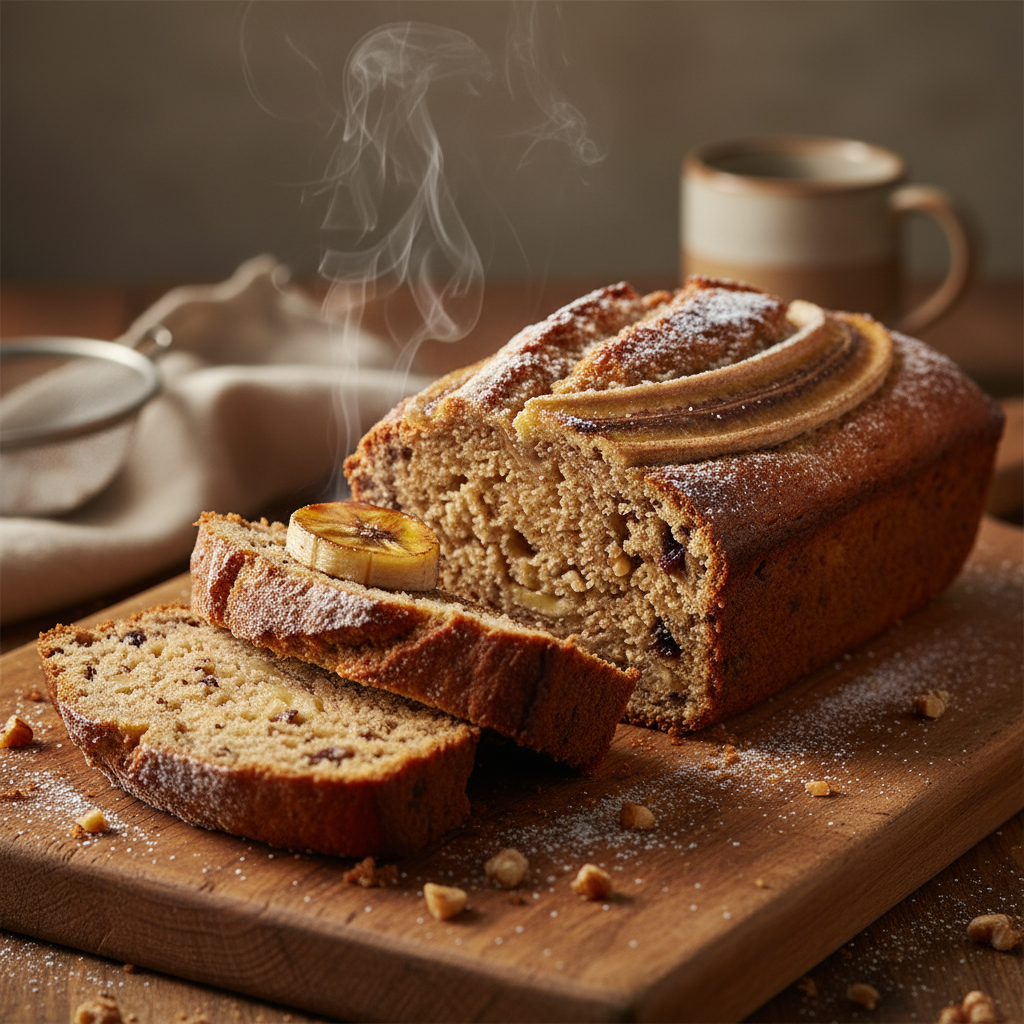
Don’t Overmix the Batter
For wonderfully moist banana bread, a gentle touch is key. A common reason banana bread turns out dry is overmixing the batter. When you mix flour too much, gluten develops, which creates a tough, chewy texture instead of the tender, moist result you want.
For perfect results, follow this simple rule:
- Combine your wet and dry ingredients only until they are just blended.
- Don’t worry about a few small lumps; they are perfectly fine.
- Stop mixing as soon as you no longer see streaks of dry flour.
This easy technique is a crucial step for keeping your banana bread incredibly soft and ensuring a moist texture every time.
Use Overripe Bananas
Using overripe bananas is a game-changer for the best banana bread. They are essential for providing both fantastic flavor and vital moisture. As bananas ripen, their starches convert to sugar, which gives your bread natural sweetness and a more intense banana flavor. They also become much softer, making them easier to mash and adding more moisture to the batter.
Look for bananas with plenty of brown spots or even fully brown skins, and they should feel very soft. If your bananas aren’t ripe enough, you can speed up the process by placing them in a paper bag for a day or two. Alternatively, bake them unpeeled on a baking sheet at 300°F (150°C) for 15-30 minutes, or until the skins are black [3].
Measure Flour Correctly
How you measure flour is vital for a moist banana bread recipe. Too much flour will result in a dry, dense loaf. Many people scoop flour directly from the bag, but this compacts it, causing you to use up to 25% more than the recipe calls for [4].
For better accuracy, follow this easy method:
- Lightly spoon the flour into your measuring cup until it overflows.
- Level off the top with a straight edge, like the back of a knife.
This simple step ensures the perfect balance of ingredients, guaranteeing a tender and flavorful banana loaf.
Don’t Overbake
Overbaking is another common reason for dry banana bread. Keep a close eye on your loaf as it bakes, since even a few extra minutes in the oven can dry it out.
Here’s how to check for doneness:
- The top should be golden brown.
- A toothpick inserted into the center should come out clean.
- A few moist crumbs on the toothpick are okay, but there should be no wet batter.
- The edges of the bread will begin to pull away slightly from the sides of the pan.
Remove the bread from the oven immediately. Let it cool in the pan for 10-15 minutes, then transfer it to a wire rack to cool completely. This prevents the loaf from continuing to cook in the hot pan and helps you achieve the perfect texture every time.
Fun Banana Bread Variations to Try
Once you master our classic moist banana bread recipe, a world of delicious variations opens up. Customizing your loaf is a simple way to add new flavors and textures, making each batch unique and exciting. These easy variations transform basic banana bread into something special and are perfect for beginners and busy families alike.
Chocolate Chip Banana Bread
A timeless favorite, chocolate chip banana bread combines the comforting sweetness of ripe bananas with indulgent chocolate. This variation is a guaranteed hit with families and makes a perfect quick breakfast.
How to make it:
- Add 1 cup (about 170g) of your favorite chocolate chips to the batter.
- Gently fold them in during Step 4, after you’ve mixed the wet and dry ingredients.
- To prevent the chocolate chips from sinking, toss them with a tablespoon of flour before adding them. This helps keep them evenly suspended in the batter.
Tips for success:
- Use semi-sweet chocolate chips for a balanced sweetness. Milk or dark chocolate also work well, so choose whichever your family enjoys most.
- For extra indulgence, sprinkle a few more chocolate chips on top of the batter before baking.
Nutty Banana Bread
Adding nuts provides a delightful crunch, earthy flavor, and a bit of extra nutrition. The satisfying texture makes this variation a wonderful, healthy snack option.
How to make it:
- Choose your favorite nuts, such as classic walnuts or pecans.
- Coarsely chop 1/2 to 1 cup (about 60-120g) of nuts.
- Fold the chopped nuts into the batter in Step 4, at the same time as any other mix-ins.
Tips for success:
- To significantly enhance their flavor, lightly toast the nuts before adding them. Simply spread them on a baking sheet and bake for 5-7 minutes at 350°F (175°C).
- Almonds or macadamia nuts are also delicious alternatives.
- For a nut-free option, consider sunflower or pumpkin seeds for a similar crunch.
Cinnamon Spice Banana Loaf
Warm spices elevate banana bread to a new level of cozy flavor. Perfect for cooler mornings, this cinnamon spice loaf is a wonderful accompaniment to coffee or tea.
How to make it:
- In Step 3, add extra spices when you combine the dry ingredients.
- Increase the ground cinnamon to 1 teaspoon.
- Add 1/2 teaspoon of ground nutmeg.
- For more depth, include 1/4 teaspoon of ground cloves or allspice.
Tips for success:
- Ensure your spices are fresh for the best flavor, as older spices lose their potency.
- A pinch of ground ginger can also add a lovely warmth.
- This spiced variation pairs wonderfully with cream cheese frosting.
These simple additions show just how easy it is to customize your favorite banana bread recipe. Have fun experimenting with these flavorful variations!
How to Make a Healthy Banana Bread Recipe
Substituting Sugar
Making delicious banana bread doesn’t require a lot of refined sugar. It’s easy to swap some or all of it for healthier alternatives. This simple change helps you enjoy a sweet treat you can feel good about.
There are many natural ways to sweeten your banana bread and still achieve an amazing flavor.
- Reduce the Amount: The natural sweetness from very ripe bananas often provides plenty of flavor. You can start by cutting the sugar in your recipe by one-quarter or even one-third. Most people won’t even notice the difference!
- Maple Syrup or Honey: These natural liquid sweeteners add wonderful flavor. For every cup of granulated sugar, try using 3/4 cup of maple syrup or honey. Remember to reduce other liquids in your recipe by about 1/4 cup to balance the moisture.
- Applesauce: Unsweetened applesauce can replace some sugar while adding moisture. Use it cup for cup to replace sugar, but reduce other liquids by about 2-4 tablespoons to maintain the right consistency.
- Dates: Pitted dates, whether finely chopped or in a paste, offer natural sweetness and fiber. Dates are known for their nutritional benefits [5]. For easy mixing, blend pitted dates with a little water to create a smooth paste.
- Stevia or Erythritol: If you are looking for zero-calorie options, baking-specific stevia or erythritol blends work well. Always check the package for substitution ratios, as they are often much sweeter than sugar.
Reducing added sugar is a great step towards healthier eating [6]. You’ll still get that comforting banana bread flavor you love.
Using Whole Wheat Flour or Oats
Adding more whole grains to your diet is a smart choice for better health, and your banana bread can be part of this healthy choice. Incorporating whole wheat flour or oats is an easy, beginner-friendly way to boost fiber and nutrients.
- Whole Wheat Flour: This flour adds a nutty flavor and a denser texture. It’s rich in fiber, which is great for digestion [7]. Since 100% whole wheat can be too heavy, a good starting point is to substitute half of the all-purpose flour with whole wheat. For instance, if a recipe calls for 2 cups of all-purpose flour, use 1 cup of all-purpose and 1 cup of whole wheat.
- Oat Flour: You can buy oat flour or make your own by blending rolled oats into a fine powder. This substitution offers a milder flavor than whole wheat and provides extra fiber and protein. Oat flour can be used to replace up to half of the all-purpose flour in your recipe.
- Rolled Oats: For added texture, stir 1/2 to 1 cup of old-fashioned rolled oats directly into your batter. This not only makes your banana bread healthier but also gives it a lovely, rustic feel. Plus, oats are known for their heart-healthy benefits.
When using whole wheat or oat flour, your batter might seem a bit thicker. This is perfectly normal. Just be sure to combine all ingredients well without overmixing.
Making it with Yogurt
Yogurt is a fantastic secret ingredient for a healthier and more moist banana bread. Using it is a surprisingly easy substitution that brings several benefits, making your bread a better choice for a quick breakfast or healthy snack.
- Replaces Fat: Yogurt can replace some of the butter or oil in your recipe. This cuts down on saturated fat while keeping your banana bread wonderfully moist.
- Adds Moisture: Its creamy texture ensures your banana bread stays tender, so you won’t miss the extra oil or butter.
- Boosts Protein: Using Greek yogurt, in particular, will add a good dose of protein to your loaf. Greek yogurt is well-regarded for its protein content [8].
- Flavor Enhancer: Plain, unsweetened yogurt also adds a slight tang that brightens the overall flavor of your banana bread.
To make the substitution, replace half or all of the butter or oil with an equal amount of plain, unsweetened yogurt. For example, if your recipe calls for 1/2 cup of oil, you can use 1/4 cup of oil and 1/4 cup of yogurt, or simply use a full 1/2 cup of yogurt. The result is a delightfully moist and tender loaf, making this an easy and effective tweak for a more balanced snack.
How to Store Your Banana Bread
At Room Temperature
Storing banana bread at room temperature is ideal if you plan to eat it within a few days. To maintain its moisture and freshness, first allow the loaf to cool completely.
- Duration: Banana bread stays fresh for 2 to 3 days at room temperature [source: https://food.unl.edu/food-storage-chart].
- Method: Wrap the cooled loaf tightly in plastic wrap, then place it in an airtight container. This step is key to locking in moisture.
- Placement: Keep the container in a cool, dry spot on your kitchen counter and away from direct sunlight.
This approach ensures your banana bread is always ready for a quick breakfast or an easy dessert.
In the Refrigerator
To make your banana bread last longer, store it in the refrigerator. This is a good option for warmer climates and is essential if your bread includes perishable ingredients like cream cheese frosting.
- Duration: When refrigerated, banana bread can stay fresh for up to a week [source: https://food.unl.edu/food-storage-chart].
- Method: Let the bread cool completely before wrapping it tightly in plastic wrap. Place it in an airtight container to prevent it from drying out in the refrigerator.
- Tips: For the best flavor and texture, allow chilled slices to come to room temperature before serving. You can also warm them gently in the microwave for a few seconds.
Refrigeration gives you more time to enjoy every slice.
Freezing for Later
Freezing is the best method for long-term storage. It’s an excellent meal-prep strategy that ensures you always have a quick breakfast or an easy snack ready to go.
- Duration: Properly frozen, banana bread will last for 2 to 3 months [source: https://food.unl.edu/food-storage-chart].
- Preparation:
- First, let the banana bread cool completely. Freezing warm bread creates condensation, which leads to ice crystals.
- Next, decide whether to freeze the loaf whole, in halves, or in individual slices. Pre-slicing makes thawing much faster.
- Wrap each piece (or the whole loaf) tightly in plastic wrap. For best results, double-wrap it to protect against freezer burn.
- Finally, place the wrapped bread in a freezer-safe bag or an airtight container and label it with the date.
- Thawing:
- Whole Loaf: Thaw the frozen loaf in the refrigerator overnight. Afterward, let it sit at room temperature for an hour before serving.
- Slices: Individual slices can thaw at room temperature in about 30 minutes. You can also warm them in a microwave or toaster oven.
Freezing is a simple way to make sure a comforting treat is always on hand.
Frequently Asked Questions About Banana Bread
What is the secret to a moist banana bread?
Achieving a truly moist banana bread is easier than you might think, and it transforms a simple dessert into a delectable treat. While many home cooks struggle with dry results, you can master the perfect loaf with a few simple tips.
The key to a perfectly moist banana bread lies in several factors:
- Very Ripe Bananas: This is arguably the most important ingredient. Use bananas with plenty of brown spots, as the dark spots indicate the fruit is sweeter and contains more moisture. This contributes directly to the bread’s tenderness and rich flavor.
- Don’t Overmix: Overmixing the batter develops the gluten in the flour, which leads to a tough, dry texture. To avoid this, mix your wet and dry ingredients just until combined. A few lumps in the batter are perfectly fine.
- Accurate Flour Measurement: Too much flour is a common culprit for dry baked goods. To measure accurately, spoon the flour into your measuring cup and then level it off with a straight edge. This simple step prevents you from accidentally adding too much.
- Don’t Overbake: Overbaking dries out your banana bread quickly. Start checking for doneness a few minutes before the recipe suggests. A wooden skewer inserted into the center should come out with moist crumbs, not wet batter.
- Add a Touch of Fat or Dairy: Ingredients like butter, oil, yogurt, or sour cream add richness and help keep the crumb tender. Our best moist banana bread recipe balances these elements perfectly.
Following these steps will ensure you bake a delicious and moist banana bread every single time.
Can I make banana bread with 2 bananas instead of 3?
Yes, you can definitely make banana bread with two bananas, but you should expect a few changes. Because bananas contribute both flavor and moisture, using fewer may result in a less intense banana flavor and a slightly drier loaf.
To compensate for using only two bananas, try these simple adjustments:
- Add Extra Moisture: Add an extra tablespoon or two of milk, buttermilk, or plain yogurt to your wet ingredients. This will help restore the missing moisture.
- Increase Sweetness (Optional): If your two bananas are less ripe, you might add an extra tablespoon of sugar to balance the sweetness.
- Smaller Loaf Pan: If your recipe yields a large loaf, consider using a slightly smaller pan to help prevent the bread from drying out.
Ultimately, making banana bread with two bananas is a great way to use up ripe fruit. You can still create a delicious loaf that’s perfect for a quick breakfast or a family-friendly snack.
Can you make banana bread with oil instead of butter?
Absolutely! You can make banana bread with oil instead of butter, and many home cooks prefer it. Oil often results in a moister, more tender loaf. This is because butter solidifies as it cools, while oil remains liquid, which helps maintain a consistently soft crumb.
When substituting oil for butter, simply use the same amount. For instance, if a recipe calls for ½ cup of melted butter, use ½ cup of oil. Excellent choices for oils include:
- Vegetable Oil: A neutral choice that won’t interfere with the banana flavor.
- Canola Oil: Another great neutral option.
- Coconut Oil (Melted): This can add a subtle tropical hint. Ensure it is melted before adding to the wet ingredients.
- Light Olive Oil: Use a light or extra light olive oil to avoid a strong flavor.
Substituting oil for butter is an easy way to adapt a recipe based on what you have in your pantry. It’s a simple change that can lead to an even moister banana bread.
How do you make banana bread without eggs?
Yes, you can make delicious banana bread without eggs! Whether you have dietary restrictions or simply ran out, several common pantry staples can work as a substitute. Since eggs act as a binder and add moisture, you’ll need a replacement that serves a similar purpose.
For each egg a recipe calls for, you can typically substitute one of the following:
- Flax Egg: Combine 1 tablespoon of ground flaxseed meal with 3 tablespoons of water. Let it sit for 5-10 minutes until it forms a gel. This is a popular vegan choice.
- Mashed Ripe Banana: Use about ¼ cup of mashed banana per egg. This boosts both the banana flavor and the overall moisture.
- Applesauce: Use ¼ cup of unsweetened applesauce per egg. This adds moisture and a touch of natural sweetness.
- Yogurt or Sour Cream: Use ¼ cup of plain yogurt or sour cream per egg. These add moisture and richness, contributing to a tender texture.
- Pumpkin Puree: Similar to applesauce, use ¼ cup per egg. This can add a subtle, complementary flavor.
Choose the substitute that best fits your dietary needs and the ingredients you have on hand. With these simple swaps, anyone can enjoy a delicious slice of homemade banana bread.
Sources
- https://www.chiquita.com/chiquita-nutrition/chiquita-bananas-facts
- https://www.chiquita.com/chiquita-news/the-science-behind-banana-ripening
- https://www.thekitchn.com/how-to-quickly-ripen-bananas-233989
- https://www.kingarthurbaking.com/blog/2015/05/27/how-to-measure-flour
- https://www.nal.usda.gov/topics/food-and-nutrition/food-facts/dates
- https://www.who.int/news/item/02-03-2015-who-recommends-reduced-daily-intake-of-sugars-for-adults-and-children
- https://www.hsph.harvard.edu/nutritionsource/what-should-you-eat/whole-grains/
- https://www.hsph.harvard.edu/nutritionsource/food-features/yogurt/
Leave a Reply