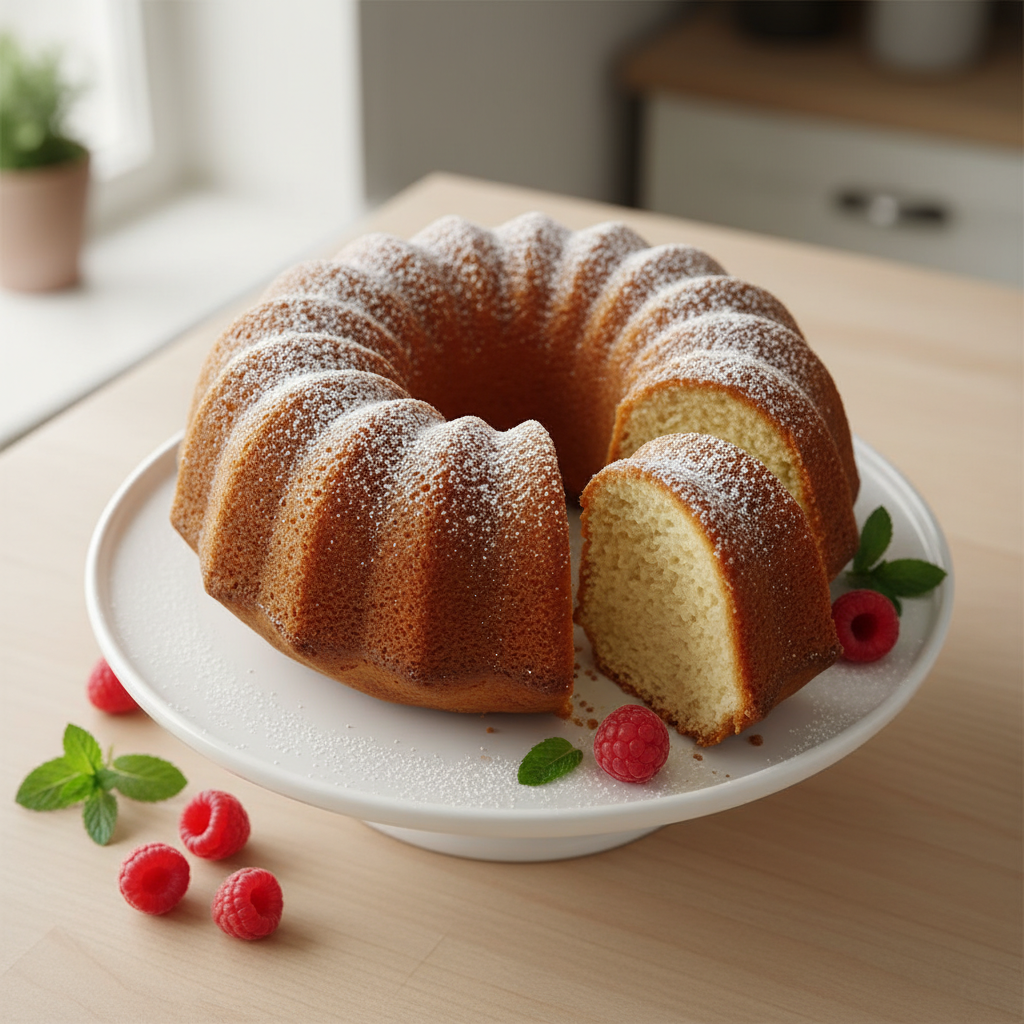
A bundt cake is a cake that is baked in a Bundt pan, which gives it a distinctive ring shape with fluted sides. This unique shape allows for even baking and creates a beautiful cake that requires minimal decoration, often just a simple glaze or a dusting of powdered sugar. Any type of cake batter, from vanilla to chocolate, can be used to make a bundt cake.
There’s nothing quite like a beautifully moist bundt cake. With its elegant curves, it often seems like a challenge reserved for experienced bakers. Many home cooks feel intimidated by complex instructions and technical jargon, which can take the joy out of cooking. The good news? Baking a stunning bundt cake is surprisingly simple, even if you’re new to the kitchen.
That’s why we’re here. At Recipesmondial, we believe that delicious, flavorful meals made easy should be accessible to everyone, and baking should be a joy. This article is your ultimate beginner-friendly guide to mastering the bundt cake. We provide clear, step-by-step instructions to help you build confidence and create a show-stopping dessert. With our guidance, you can say goodbye to sticky pans or dry cakes and discover easy recipes for success.
Get ready to unlock the secrets to the perfect bundt cake. We cover everything you need, from choosing and prepping the right pan to our most delicious recipe and clever tips for variations. Let’s dive in and discover how to easily bake this timeless dessert.
What Makes a Bundt Cake So Special?
Does the elegant look of a Bundt cake seem intimidating? You’re not alone. While they look impressive, Bundt cakes are actually one of the most delightful and approachable desserts you can make. At Recipesmondial, we believe cooking should be enjoyable and stress-free. So, let’s explore what makes a Bundt cake so special and why it deserves a spot on your table.
A Bundt cake instantly elevates any dessert spread. Its signature fluted design turns a simple cake into a stunning centerpiece without any complex decorating. In fact, a simple dusting of powdered sugar or a quick glaze is often all you need for a spectacular finish. This “less is more” approach makes them perfect for anyone seeking an impressive dessert without the fuss.
The secret to a Bundt cake’s success is its unique pan. The fluted shape and central tube allow heat to circulate evenly, ensuring the cake bakes perfectly from the inside out. This means you get a moist, tender result every time—no more undercooked centers or dry edges. For new bakers, this reliable performance is a fantastic way to build confidence in the kitchen.
Beyond their simple beauty, Bundt cakes are incredibly versatile. You can use almost any cake batter, from rich chocolate to bright lemon or classic vanilla. The result can be moist and dense like a pound cake or wonderfully light and airy. This flexibility allows for endless flavor combinations, making a Bundt cake perfect for any occasion—from a quick breakfast treat to a simple dinner dessert.
Here are a few reasons why we love Bundt cakes at Recipesmondial:
- Stunning Presentation: The iconic shape creates a professional-looking dessert with minimal effort.
- Easy Decoration: No advanced skills are needed; a simple glaze or dusting of sugar is all it takes.
- Even Baking: The pan’s design guarantees a perfectly cooked cake and reliable results every time.
- Incredible Versatility: Works with countless cake recipes and flavors, from dense pound cake to light sponge.
- Perfect for Any Occasion: Ideal for everything from holiday gatherings to a simple weeknight treat.
- Beginner-Friendly: Their impressive appearance hides a surprisingly simple baking process perfect for all skill levels.
In short, a Bundt cake proves that magnificent desserts don’t require complicated techniques. It embodies what we stand for at Recipesmondial: simple, flavorful recipes that make cooking a joy. Now you’re ready to discover just how easy it is to bake a perfect Bundt cake of your own!
Essential Equipment: Choosing Your Bundt Pan
Why Your Bundt Pan Matters
A beautiful bundt cake begins with the right pan. This choice is a crucial first step for any bundt cake recipe because it directly impacts how your cake bakes, releases, and ultimately looks. A quality pan helps you avoid common baking frustrations, leading to less stress and more enjoyment in the kitchen.
The pan’s unique shape transforms simple ingredients into a stunning dessert, creating visually appealing flavorful meals made easy. To help you pick the perfect one and gain confidence with our beginner-friendly recipes, this guide will walk you through the essentials.
Key Features to Look For
When selecting a bundt pan, focusing on a few key features will make your baking experience much smoother. These considerations lead to reliable results every time you bake one of our easy recipes.
Material Matters for Baking
A bundt pan’s material determines its heat distribution, which directly impacts how evenly your cake bakes.
- Cast Aluminum: The most popular choice, cast aluminum heats up quickly and evenly, ensuring your cake bakes uniformly. This durable material is also a favorite among professional bakers.
- Non-Stick Coating: A high-quality non-stick interior is essential for an easy release. It prevents the cake from sticking, saving you from frustration and making cleanup a breeze.
- Silicone: While flexible and very easy to release cakes from, silicone pans are less common for bundts. They can be too wobbly, which may compromise the cake’s intricate design.
Choosing the Right Size
Most bundt cake recipes call for a standard-sized pan. Knowing your pan’s capacity is important because it prevents messy overflows and ensures your cake bakes correctly.
- Standard Size: A 10 to 12-cup bundt pan is ideal. This size fits most
family-friendly mealsandbundt cake recipes. It is the perfect starting point for your baking journey [1]. - Mini Bundt Pans: These are fun for individual servings and great for parties or small gifts. Just remember to adjust baking times accordingly.
Always check your pan’s capacity to ensure it can hold all the batter. This simple step helps you avoid messy kitchen mishaps and achieve a perfectly baked cake.
Simple vs. Intricate Designs
Bundt pans come in countless designs, from simple to highly detailed. Your choice will impact how easy the pan is to prepare before baking and to clean afterward.
- Classic Fluted Designs: These are wonderful for beginners because they are easier to grease thoroughly. This simple preparation reduces the risk of sticking and makes the pan straightforward to clean.
- Intricate Patterns: While these create stunning cakes, they require extra care when greasing. Every nook and cranny needs attention to ensure a perfect release. Consider a baking spray with flour for these detailed designs.
Tips for Buying Your First Bundt Pan
Ready to choose your perfect pan? These final tips will help you make a confident purchase and start baking delicious bundt cake creations in no time.
- Read Reviews: Check what other home cooks say about a pan’s performance. Reviews offer practical insights and can highlight common issues to avoid.
- Consider Your Experience Level: If you’re new to baking, start with a classic, less intricate design to build your confidence before exploring more complex patterns.
- Sturdy Construction: Feel the pan’s weight. A heavier pan often indicates better quality and will conduct heat more consistently for superior baking results.
- Check Non-Stick Quality: Look for a durable non-stick coating that feels smooth and even. This is crucial for ensuring your cake releases easily every time.
Choosing the right bundt pan is an empowering first step toward creating amazing cakes. It makes cooking without stress a reality and ensures our step-by-step cooking guidance at Recipesmondial leads you to sweet success!
How to Perfectly Prep Your Bundt Pan (And Avoid Sticking!)

Properly prepping your bundt pan is the most important step for a perfect cake. It guarantees your beautiful creation will slide out of the pan without sticking or breaking. This simple step truly makes all the difference.
There are two reliable methods for achieving a picture-perfect bundt cake every time. Read about both below and choose the one that suits you best.
The Grease and Flour Method
This classic technique creates a reliable non-stick barrier between the batter and the pan, ensuring a clean release for a stress-free baking experience.
Here’s how to do it:
- Gather your ingredients: You will need softened unsalted butter (or solid shortening) and all-purpose flour.
- Apply the grease: Using your fingers or a pastry brush, thoroughly coat the entire interior of the bundt pan. Be sure to cover every nook, cranny, and detailed design.
- Add the flour: Sprinkle about 1-2 tablespoons of flour into the greased pan.
- Coat evenly: Tilt and rotate the pan, allowing the flour to stick to all the greased surfaces in a thin, even layer.
- Tap out excess: Turn the pan upside down over a sink and tap it gently to remove any loose flour. This prevents a white, dusty coating on your finished cake.
Expert Tip: For chocolate bundt cake recipes, use cocoa powder instead of flour! This prevents white spots on your dark cake. It’s a simple trick for a professional finish.
Using Baking Spray with Flour
For a quick and convenient option, use a baking spray that contains flour. This all-in-one product saves time by eliminating the need to grease and flour the pan in separate steps.
Here’s how to use it effectively:
- Choose the right spray: Be sure to use a baking spray that includes flour. Regular cooking spray will not create a sufficient non-stick layer and can cause the cake to stick.
- Shake well: Give the can a good shake before using to ensure the flour is evenly mixed.
- Spray generously: Hold the can about 6-8 inches from the pan and apply a consistent, even coat to the entire interior surface. Pay special attention to the central tube and any intricate patterns.
- Avoid puddles: A thin, even coat is all you need. Do not allow the spray to pool in the bottom of the pan.
Why it works: Baking sprays with flour are specially formulated to adhere to metal and create a strong non-stick barrier. This makes them a reliable choice for both new and experienced bakers.
By following these simple guidelines, you can master bundt cake prep and enjoy a perfect, clean release every single time. A properly prepared pan is the key to a beautiful, stress-free result.
Our Easiest, Most Delicious Bundt Cake Recipe

Ready to bake a showstopper with minimal fuss? There’s a reason this easy bundt cake is a favorite on Recipesmondial. It uses everyday ingredients to create a tender, moist cake with incredible flavor. Perfect for beginner bakers and seasoned home cooks alike, this recipe lets you create a delightful dessert for any occasion without the stress.
Ingredients You’ll Need
This recipe uses common pantry staples to keep things simple. You likely have most of these baking essentials in your kitchen already [2], so you won’t be overwhelmed by a complex shopping list.
- For the Cake:
- 1 ½ cups (3 sticks) unsalted butter, softened
- 2 cups granulated sugar
- 4 large eggs
- 1 teaspoon vanilla extract
- 3 cups all-purpose flour
- 1 tablespoon baking powder
- ½ teaspoon salt
- 1 cup whole milk
- For the Simple Glaze (Optional):
- 1 ½ cups powdered sugar
- 3-4 tablespoons milk or heavy cream
- ½ teaspoon vanilla extract
Step-by-Step Instructions
Follow these simple steps to bake a perfect bundt cake. Our clear instructions will guide you through the process, ensuring a delicious result every time.
- Prep Your Bundt Pan: Thoroughly grease your bundt pan with butter or baking spray, then lightly flour it. This crucial step prevents the cake from sticking and ensures a clean release.
- Preheat Oven: Preheat your oven to 350°F (175°C) to ensure it reaches a consistent temperature for even baking.
- Combine Dry Ingredients: In a medium bowl, whisk together the flour, baking powder, and salt. Set aside.
- Cream Butter and Sugar: In a large mixing bowl, use an electric mixer to beat the softened butter and granulated sugar until light and fluffy, about 3-4 minutes.
- Add Eggs and Vanilla: Beat in the eggs one at a time, mixing well after each one. Once the eggs are incorporated, stir in the vanilla extract.
- Alternate Dry and Wet Ingredients: Add the dry mixture in three parts, alternating with the milk. Begin and end with the dry ingredients. Mix on low speed until just combined—be careful not to overmix, as this can make the cake tough.
- Fill the Pan: Pour the batter evenly into your prepared bundt pan. Gently tap the pan on the counter a few times to remove any air bubbles.
- Bake the Cake: Bake for 50-60 minutes, or until a wooden skewer or toothpick inserted into the center comes out clean.
- Cool the Cake: Let the cake cool in the pan on a wire rack for 10-15 minutes. This allows it to firm up slightly before you invert it. Then, carefully invert the cake onto the rack to cool completely.
- Make the Glaze (Optional): While the cake cools, whisk together the powdered sugar, milk or cream, and vanilla extract in a small bowl. Adjust the liquid amount for your desired consistency.
- Glaze and Serve: Once the cake is completely cool, drizzle the glaze over the top. Let the glaze set for a few minutes before slicing and serving. Enjoy!
Tips for a Moist and Perfect Bundt Cake Every Time
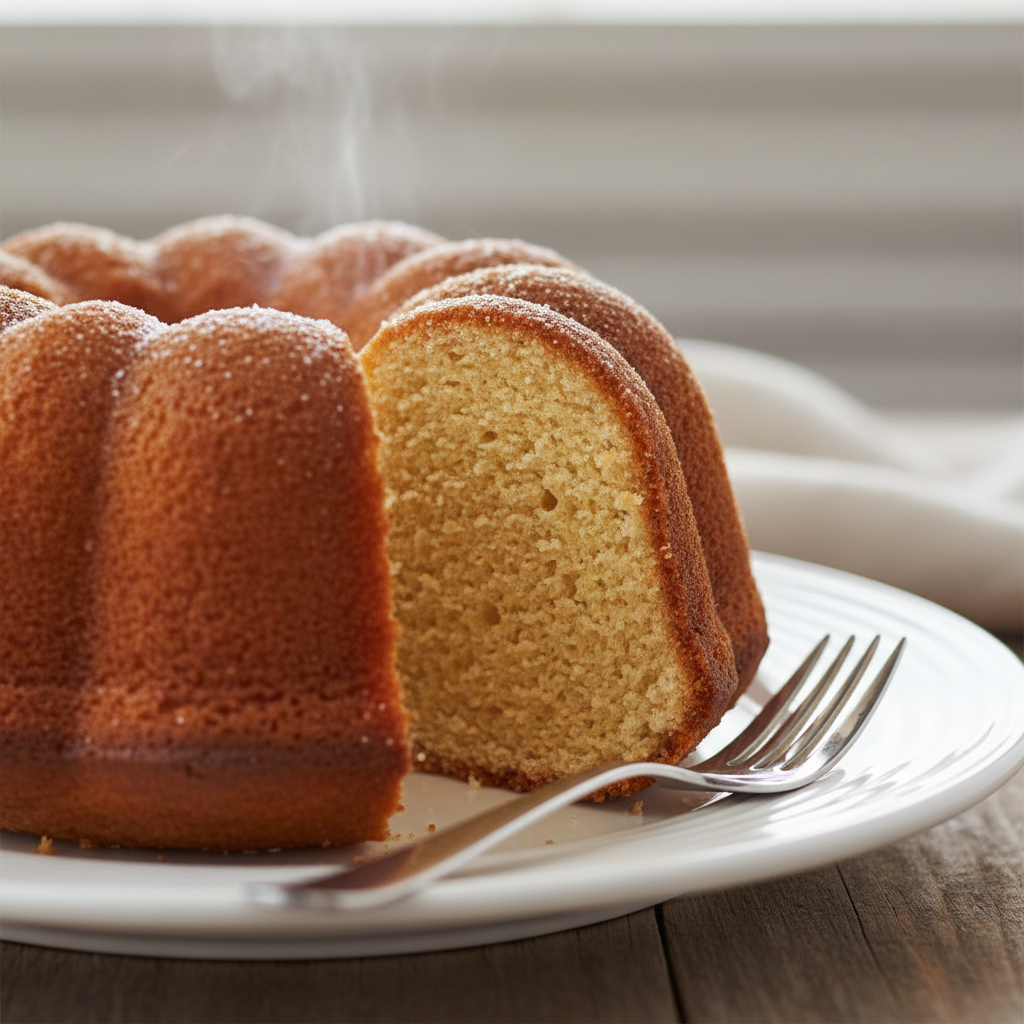
Creating a moist, delicious bundt cake doesn’t have to be a challenge. With a few simple tricks, you can avoid common pitfalls and enjoy a perfect cake every time. Follow these tips to bake with confidence and make your next bundt a true showstopper!
Mastering Your Bundt Cake Batter
- Use Room Temperature Ingredients: This is a crucial step for success. Cold ingredients don’t combine well and can create a lumpy batter. Using room temperature butter, eggs, and dairy allows them to blend smoothly into a stable emulsion, which traps air and creates a lighter cake texture. [3]
- Measure Accurately: Precision is essential in baking, especially for flour and leavening agents. Too much flour can make a cake dry, while too little leavening will affect its rise. Using a kitchen scale is the best way to ensure consistent, reliable results with your bundt cake recipes.
- Don’t Overmix the Batter: Overmixing the batter develops too much gluten, resulting in a tough, dense cake. To achieve a tender crumb, mix only until the ingredients are just combined and no streaks of flour remain.
- Sift Dry Ingredients: Sifting dry ingredients like flour, baking powder, and baking soda is important because it breaks up clumps and incorporates air. This simple step ensures even distribution, helping the leavening agents work effectively for a uniform rise.
Baking for Perfect Moisture
- Grease Your Pan Thoroughly (Again!): The importance of a well-greased and floured pan cannot be overstated. This critical step not only prevents the cake from sticking but also promotes even baking, saving you the frustration of a broken cake.
- Don’t Overbake: Overbaking is the number one cause of dry bundt cakes. To prevent this, start checking for doneness a few minutes before the recipe suggests. Insert a wooden skewer into the thickest part; it should come out clean or with a few moist crumbs attached. For ultimate precision, the ideal internal temperature for most cakes is between 200-205°F (93-96°C) [4].
- Add Moisture Boosters: Certain ingredients can significantly boost a cake’s moisture while also adding richness and tenderness.
- Sour Cream or Plain Yogurt: These add fat and acidity, which react with baking soda for extra lift and keep cakes wonderfully moist.
- Mashed Banana or Applesauce: These natural additions provide moisture and subtle flavor, and can even allow you to reduce sugar slightly.
- Mayonnaise: Believe it or not, mayonnaise adds incredible moisture. It’s essentially oil and eggs, both of which are common cake ingredients.
Cooling and Finishing Touches
- Cool Properly in the Pan: Once baked, allow the bundt cake to cool in its pan for 10-15 minutes. This important step allows the cake to set, which helps prevent it from crumbling when you invert it.
- Invert Onto a Wire Rack: After the initial 10-15 minutes, carefully invert the pan onto a wire rack to release the cake. Letting it cool completely on the rack allows air to circulate, preventing the bottom from becoming soggy. A fully cooled cake is also firmer, making it easier to frost and slice.
- Glaze While Warm (Sometimes): While thick frostings should be applied to a completely cooled cake, some glazes are designed to be drizzled on while the cake is still slightly warm. This allows the glaze to soak in, adding extra moisture for a melt-in-your-mouth texture.
By following these tips, you’ll be well on your way to baking a truly impressive bundt cake. Say goodbye to dry, crumbly results and hello to delicious, show-stopping creations. Recipesmondial is here to help you enjoy baking without the stress.
Easy Bundt Cake Recipe Variations
Classic Chocolate Bundt Cake
Who can resist a rich, chocolatey bundt cake? This variation infuses our perfect bundt cake recipe with a deep, satisfying chocolate flavor that’s sure to please everyone at your table.
To transform the base recipe, simply add a few extra ingredients. The result is a wonderfully moist and decadent treat, perfect for family gatherings or a comforting evening dessert.
What You’ll Need (Adjusted Ingredients):
- Unsweetened Cocoa Powder: 1/2 cup (sifted with flour)
- Chocolate Chips (optional): 1 cup (milk, semi-sweet, or dark)
- Hot Water or Coffee (optional): 1/2 cup (to deepen chocolate flavor)
Simple Steps for Your Chocolate Bundt:
- Prepare your dry ingredients: Sift the cocoa powder together with your flour, baking powder, and salt to ensure no lumps and even distribution.
- Enhance the flavor: To intensify the chocolate notes, whisk the hot water or coffee into the wet ingredients before adding the dry mixture. Coffee is especially effective at deepening the flavor [5].
- Combine: Gently fold the chocolate chips into your batter just before pouring it into the prepared bundt pan.
- Bake: Follow the baking time and temperature from the main recipe.
- Serve: A simple dusting of powdered sugar is lovely. For extra indulgence, drizzle the cake with a chocolate ganache.
This chocolate bundt cake is a true crowd-pleaser. It’s a wonderful example of how easy it is to create delicious desserts for any home cook!
Zesty Lemon Bundt Cake
Brighten your day with a refreshingly zesty lemon bundt cake! This variation adds a delightful tang and fragrant citrus aroma, making it a fantastic choice for spring brunches or a light dessert after any meal.
This straightforward recipe infuses bright lemon flavor into both the cake and a simple glaze, creating a vibrant, cheerful dessert that’s surprisingly easy to make.
What You’ll Need (Adjusted Ingredients):
- Lemon Zest: 2 tablespoons (from 2-3 large lemons)
- Fresh Lemon Juice: 1/4 cup (for the cake) + 1/4 cup (for the glaze)
- Powdered Sugar: 1 1/2 cups (for the glaze)
Simple Steps for Your Zesty Lemon Bundt:
- Infuse the batter: Add the lemon zest to your wet ingredients and cream them together well. This releases the zest’s oils, deeply flavoring the cake.
- Add lemon juice: Substitute 1/4 cup of the milk in the original recipe with fresh lemon juice for added moisture and a tangy kick.
- Bake: Prepare your bundt pan and bake according to the main recipe’s instructions.
- Prepare the glaze: While the cake cools, whisk together the powdered sugar and the remaining 1/4 cup of lemon juice in a small bowl. Adjust with more sugar or juice until you reach your desired drizzling consistency.
- Glaze and serve: Once the cake is completely cool, drizzle the lemon glaze generously over the top for an inviting finish.
This zesty lemon bundt cake shows how simple ingredients can create a truly delicious dessert. It’s an approachable home cooking delight!
Simple Vanilla Bundt Cake
Sometimes, the simplest flavors are the most comforting. This vanilla bundt cake celebrates the timeless appeal of pure vanilla, creating an elegant and versatile dessert that’s always a hit.
This beginner-friendly recipe highlights the pure, delicate flavor of vanilla and allows the quality of your ingredients to shine. It’s perfect for any occasion, from a casual coffee break to a special celebration.
What You’ll Need (Key Ingredient Focus):
- Good Quality Vanilla Extract: 2 teaspoons (or 1 teaspoon vanilla bean paste)
Simple Steps for Your Vanilla Bundt:
- Emphasize vanilla: Use a high-quality vanilla extract or vanilla bean paste. Adding a little extra (up to 2 teaspoons total) will make the vanilla flavor the star of the show.
- Mix and bake: Follow all steps for mixing and baking from the main recipe, as no other ingredient changes are needed.
- Cool completely: Let the bundt cake cool fully on a wire rack to help it set properly and ensure a perfect slice.
- Decorate simply: A dusting of powdered sugar is elegant. You can also serve it with fresh berries and whipped cream, or make a simple glaze by mixing 1 cup powdered sugar with 2-3 tablespoons milk and 1/2 teaspoon vanilla extract.
This simple vanilla bundt cake is a true home cooking staple, proving that easy recipes can be incredibly delicious and satisfying.
Quick Bundt Cake Using a Cake Mix
When life gets busy, you need a delicious dessert without all the fuss. This quick bundt cake using a cake mix is a fantastic shortcut. It’s incredibly easy, yet tastes surprisingly homemade—perfect for busy families who need a quick dessert.
Don’t be overwhelmed by complex recipes when time is short. A boxed cake mix, with a few simple additions, can create a moist, flavorful bundt cake that saves time without sacrificing taste.
What You’ll Need (Adjusted Ingredients for a Box Mix):
- Boxed Cake Mix: 1 box (any flavor, like yellow, vanilla, or chocolate)
- Eggs: Add 1 extra egg than the box calls for (e.g., if it says 3, use 4).
- Milk: Instead of water, use the same amount of milk.
- Melted Butter: Instead of oil, use the same amount of melted butter.
- Instant Pudding Mix (optional): 1 small box (3.4 oz), matching your cake flavor or vanilla.
Simple Steps for Your Quick Bundt:
- Prep your pan: Properly preparing your bundt pan is a crucial step, especially when using a boxed mix.
- Combine ingredients: In a large bowl, combine the cake mix, extra egg, milk, melted butter, and the optional instant pudding mix.
- Mix well: Beat with an electric mixer on medium speed for about 2-3 minutes, until the batter is smooth. Be careful not to overmix, which can result in a dry cake.
- Pour and bake: Pour the batter evenly into your prepared bundt pan.
- Adjust baking time: Boxed mixes often bake faster, so start checking for doneness around 30-35 minutes. A toothpick inserted into the center should come out clean.
- Cool and serve: Let the cake cool in the pan for 10-15 minutes before inverting it onto a wire rack. Serve with a simple glaze, powdered sugar, or fresh fruit.
This quick bundt cake is a great example of a beginner-friendly recipe that delivers delicious results. You’ll be building confidence in the kitchen in no time!
Frequently Asked Questions About Bundt Cakes
How do you get a bundt cake out of the pan without it sticking?
Getting your beautiful bundt cake out of the pan in one piece is crucial for avoiding kitchen frustration. Properly preparing your pan is the secret to ensuring your cake slides out easily, giving you perfect results every time.
Here’s our reliable, step-by-step guide to prevent sticking:
- Grease Generously: Use a solid shortening, softened butter, or a baking spray. Make sure to cover every nook and cranny, paying close attention to the pan’s intricate designs. A small pastry brush is a great tool for reaching tight spots.
- Flour Lightly (or use cocoa powder for chocolate cakes): After greasing, dust the pan with a thin layer of flour. Rotate the pan to coat all surfaces evenly, then tap out any excess. For chocolate bundt cakes, use unsweetened cocoa powder instead of flour to keep the cake’s color consistent.
- Try Baking Spray with Flour: For an effective shortcut, many home cooks use baking sprays that contain flour. These all-in-one sprays offer dual protection by greasing and flouring in one quick step, making them a great time-saver.
- Chill Your Pan: After greasing and flouring, place the pan in the fridge for a few minutes. This simple step helps the coating adhere better, creating a firmer barrier that prevents the batter from sticking.
- Cool Properly: Let your bundt cake cool in the pan for about 10-15 minutes. This allows the cake to set and shrink slightly from the sides. Then, invert it onto a wire rack to cool completely. Don’t leave it in the pan for too long, as over-cooling can cause it to stick.
Following these steps will help you enjoy stress-free baking and confidently release your delicious bundt cake.
What is the difference between a pound cake and a bundt cake?
It’s easy to confuse these two wonderful treats, but pound cakes and bundt cakes are distinct. The main difference lies in the recipe versus the shape. A pound cake gets its name from its traditional recipe, which called for a pound each of butter, sugar, eggs, and flour [6], resulting in a dense, rich crumb.
A bundt cake, on the other hand, is defined by the shape of the pan it’s baked in—one with a distinctive fluted design and a central hole. Any cake recipe baked in a bundt pan can be called a “bundt cake.” This means a pound cake can be a bundt cake if baked in that specific pan, but a bundt cake is not necessarily a pound cake.
Here is a quick comparison:
| Feature | Pound Cake | Bundt Cake |
|---|---|---|
| Definition | A type of cake recipe. | A cake baked in a specific pan shape. |
| Typical Texture | Dense, rich, moist, fine crumb. | Can vary widely based on the recipe used. |
| Key Ingredients | Equal parts (by weight) butter, sugar, eggs, flour. | Varies (can be any cake recipe). |
| Shape | Traditionally baked in loaf pans or tube pans. | Always baked in a fluted, ring-shaped pan. |
On Recipesmondial, you can find many easy recipes, from traditional pound cakes to simple dinners, all designed for enjoyable cooking.
How many calories are in a typical bundt cake?
The number of calories in a bundt cake can vary significantly depending on several factors, primarily the ingredients and serving size. A typical slice can range from 300 to 600 calories. For example, a slice of a rich chocolate bundt cake will naturally have more calories than a lighter lemon version.
Consider these points for calorie estimation:
- Recipe Type: Cakes rich in butter, sugar, and add-ins (like chocolate chips or nuts) are higher in calories.
- Serving Size: A larger slice naturally means more calories.
- Glazes and Toppings: Syrups, cream cheese glazes, or heavy frosting add extra calories.
For a more precise count, online food calculators can provide a nutritional estimate based on your specific ingredients [7]. At Recipesmondial, our goal is to make flavorful meals easy. We believe in enjoying everything, including dessert, in moderation as part of a balanced diet.
Can I use any cake recipe in a bundt pan?
While you can generally adapt most cake recipes for a bundt pan, some types work better than others. Denser cakes—like pound cakes, coffee cakes, and many easy dessert recipes—are ideal. Their sturdier batter is perfect for holding the pan’s intricate shape.
For best results, keep these tips in mind:
- Choose Denser Batters: Choose recipes with a thicker, more stable batter that will fill the pan’s crevices and release cleanly.
- Adjust Baking Time: Because bundt pans conduct heat differently, you may need to adjust the baking time. Start checking for doneness 10-15 minutes earlier than the recipe suggests. The cake is ready when a wooden skewer inserted into the center comes out clean.
- Fill Correctly: To prevent overflow during baking, fill the pan no more than two-thirds full.
- Avoid Delicate Cakes: Avoid very delicate or airy cakes, as their structure may not hold the pan’s shape. Thin batters can also make it difficult to achieve clean, defined lines.
With a little adjustment, many of your favorite dessert recipes can become beautiful bundt cakes. At Recipesmondial, we aim to inspire creativity in your cooking, so feel free to experiment with confidence!
Sources
- https://www.kingarthurbaking.com/blog/2016/06/07/choosing-the-right-pan
- https://www.tasteofhome.com/article/baking-pantry-essentials/
- https://www.seriouseats.com/what-is-emulsification-why-it-matters-in-baking
- https://www.kingarthurbaking.com/blog/2016/09/27/cake-doneness
- https://www.seriouseats.com/does-coffee-enhance-chocolate-flavor
- https://www.britannica.com/story/what-is-the-difference-between-a-pound-cake-and-a-bundt-cake
- https://www.myfitnesspal.com/food/calorie-calculator
Leave a Reply