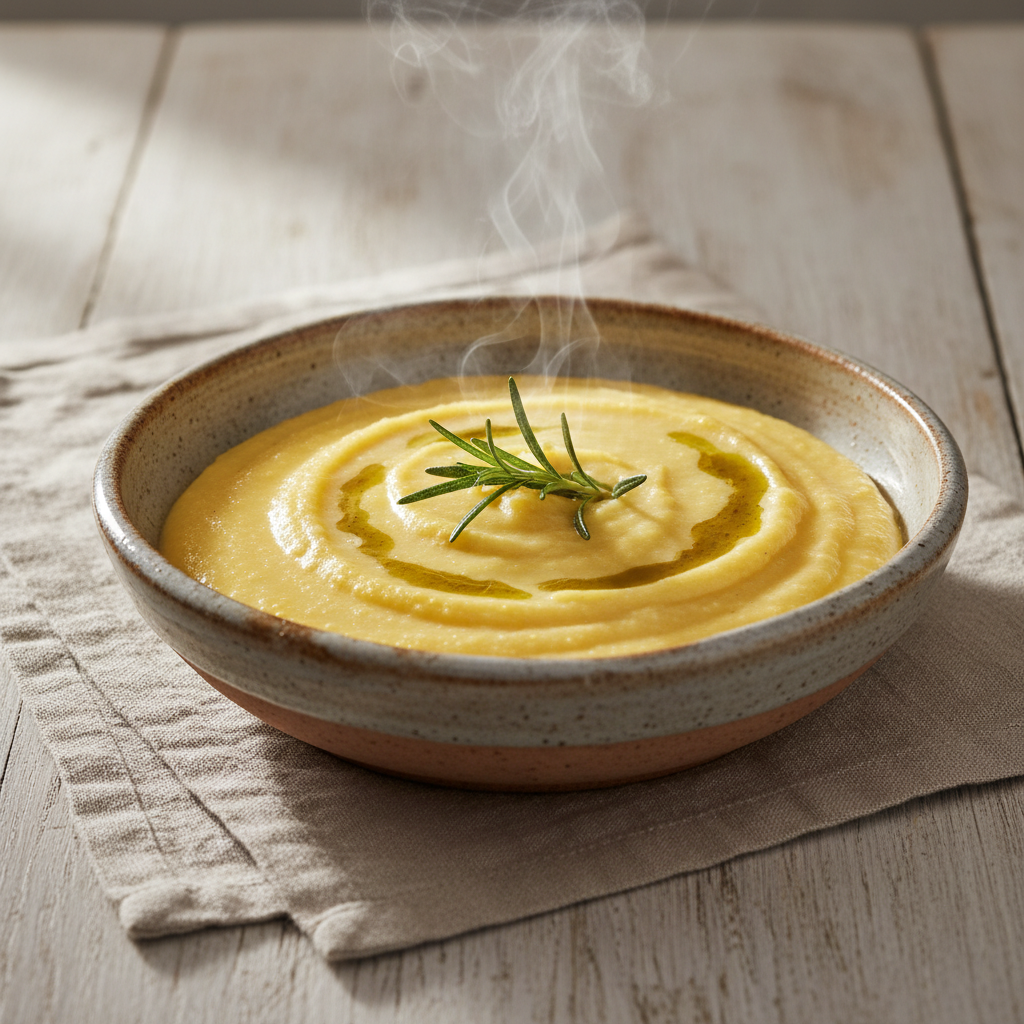
Polenta is a classic Italian dish made from boiled cornmeal. It can be served as a creamy, porridge-like side dish, or cooled until firm and then fried, baked, or grilled. This versatile and budget-friendly recipe is a comforting base for sauces, meats, and vegetables.
Ever crave a comforting, delicious side dish that feels gourmet but is surprisingly simple? It’s easy to feel overwhelmed by complex recipes. That’s where creamy polenta comes in. This wonderfully versatile and naturally gluten-free option can transform your weeknight dinners into something special, without any stress. Humble yet flavorful, this dish is about to become your new favorite. Here at Recipesmondial, we believe cooking should be an enjoyable, confidence-building experience, and this easy polenta recipe is the perfect example.
If you’re looking for a beginner-friendly recipe with reliably delicious results, you’ve come to the right place. This step-by-step guide takes the guesswork out of making polenta. We’ll show you how to get a beautifully smooth, rich, and creamy texture without any technical jargon or complicated techniques. We cover everything from basic ingredients to essential tips, so you can confidently whip up this Italian staple. Ready to discover what makes polenta such a beloved classic?
Ready to Make the Creamiest Polenta Ever?
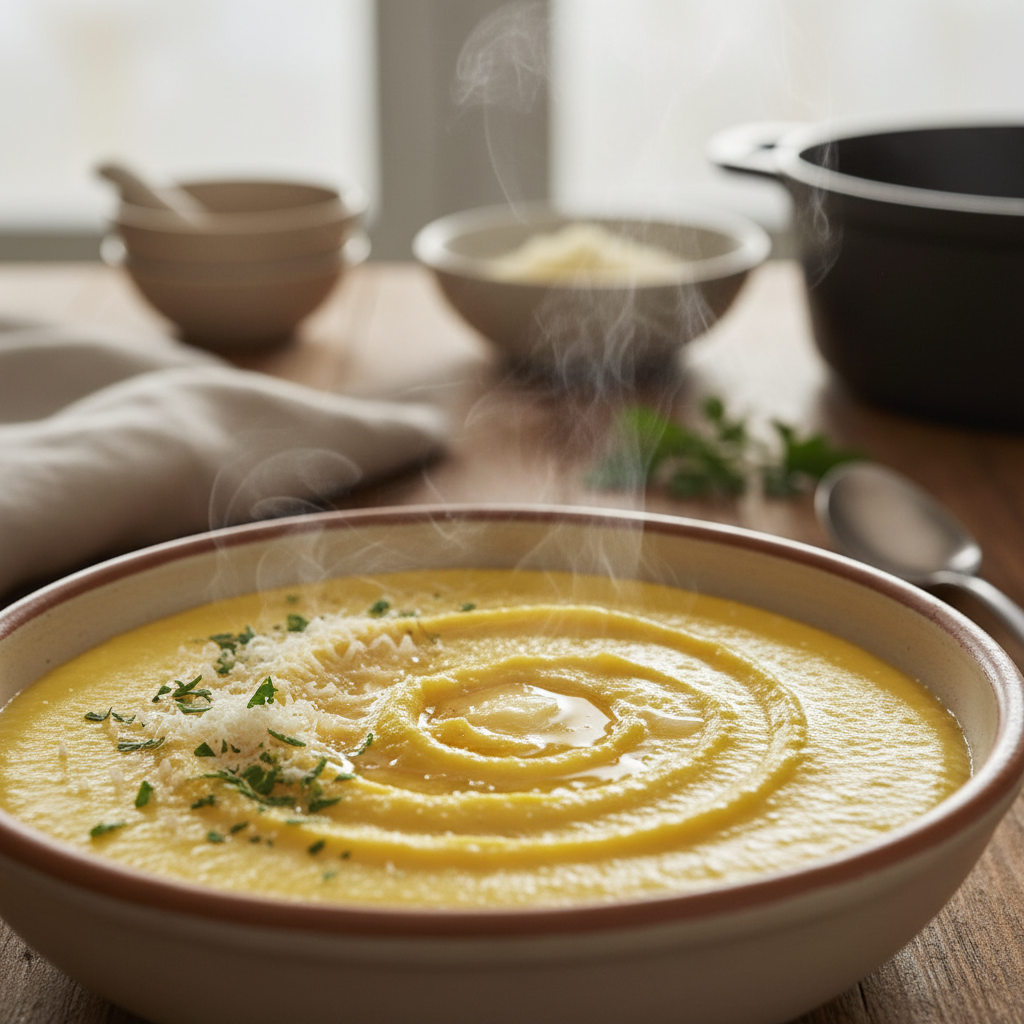
Are you ready to create a dish that’s incredibly comforting and deeply satisfying? Perhaps you’ve heard of polenta, that golden, creamy Italian staple. It’s a wonderful base for so many delicious meals.
However, many home cooks find polenta intimidating. You might worry about getting lumps, ending up with a bland taste, or simply not knowing how to achieve that perfect texture. But we’re here to show you that making flawless, creamy polenta is surprisingly simple. At Recipesmondial, we believe cooking should be a joy, not a chore.
This beginner-friendly guide will change the way you think about this versatile dish. We’ll provide clear, step-by-step cooking guidance to help you master a creamy polenta recipe. Using just a few everyday ingredients, you’ll create a truly flavorful meal made easy. Get ready to cook with confidence and enjoy every single bite. Let’s turn simple cornmeal into a delicious, warm masterpiece!
What exactly is polenta?
Polenta is more than just a dish; it’s a comforting, versatile, and easy-to-make staple that has graced tables for centuries. This simple porridge, made from ground cornmeal, is beloved for its creamy texture and ability to pair with countless flavors. Whether you’re looking for simple dinner recipes or delicious family-friendly meals, understanding polenta is a great place to start.
A Brief History of This Italian Staple
Polenta has a rich history that predates the corn we associate with it today. Originally, the term “polenta” referred to any porridge made from ground grains. For instance, ancient Romans enjoyed a similar dish made from barley, farro, or chickpeas, and it was a common, hearty meal across various cultures [1].
The corn-based polenta we know today only emerged after corn, or maize, was brought to Europe from the Americas in the 16th century. It thrived in the fertile plains of Northern Italy—especially in regions like Veneto, Lombardy, and Emilia-Romagna—where farmers found it to be a robust and economical crop.
As a result, cornmeal quickly became the primary ingredient for polenta, transforming it into a crucial, inexpensive, and satisfying food for many Italian families. This traditional staple provided warmth and sustenance, particularly during colder months. It was often served with simple sauces, hearty stews, or just a drizzle of olive oil. Today, polenta remains a beloved component of Italian cuisine, a testament to its simple and enduring appeal.
Polenta vs. Grits: What’s the Difference?
It’s easy to confuse polenta with grits, as both are popular dishes made from ground corn. However, several key distinctions in their origin, corn type, and preparation set them apart. Understanding these differences can help you appreciate each one more. Here’s a simple breakdown:
| Feature | Polenta | Grits |
|---|---|---|
| Origin | Northern Italy | Southern United States |
| Type of Corn | Typically made from yellow flint corn. This variety is drier and starchier, which gives polenta a firmer texture as it cooks and cools. | Usually made from white dent corn. This softer corn has a higher moisture content, which results in a creamier, more tender texture. |
| Grind Size | The grind is often coarse, contributing to its slightly toothier texture. | Can range from fine to coarse. Stone-ground grits are typically coarser, while instant grits are very fine. |
| Processing | Usually dried and then stone-ground. | Often undergoes nixtamalization, a process where the corn is soaked and cooked in an alkaline solution. This step enhances both nutritional value and flavor [2]. |
| Typical Flavor Profile | Subtly sweet, nutty, and earthy. It is often served with savory sauces, cheeses, or meats. | Mild corn flavor that can be slightly tangy from nixtamalization. Grits can be served savory or sweet but are often paired with butter, cheese, or shrimp. |
In essence, while both polenta and grits offer a comforting meal, their distinct origins and preparation methods give them unique identities. Appreciating these differences helps home cooks choose the right ingredients for their desired dish, making the experience of preparing a perfect creamy polenta all the more satisfying.
How to Make Our Easy Polenta Recipe
Ingredients You’ll Need
Gathering your ingredients first makes cooking much smoother. This simple polenta recipe uses just a few staples to create a comforting and delicious dish.
- 4 cups (960 ml) cold water or vegetable broth: Using broth adds extra flavor.
- 1 cup (150 g) fine or medium-ground cornmeal (polenta): Choose good quality polenta for the best texture.
- 1 teaspoon salt: Adjust to your taste.
- 2 tablespoons unsalted butter: This creates a creamy, rich texture.
- ½ cup (50 g) grated Parmesan cheese (optional): Freshly grated is always best for flavor.
Step-by-Step Cooking Instructions
Follow these simple steps for perfect, creamy polenta every time. This beginner-friendly method is incredibly easy to follow.
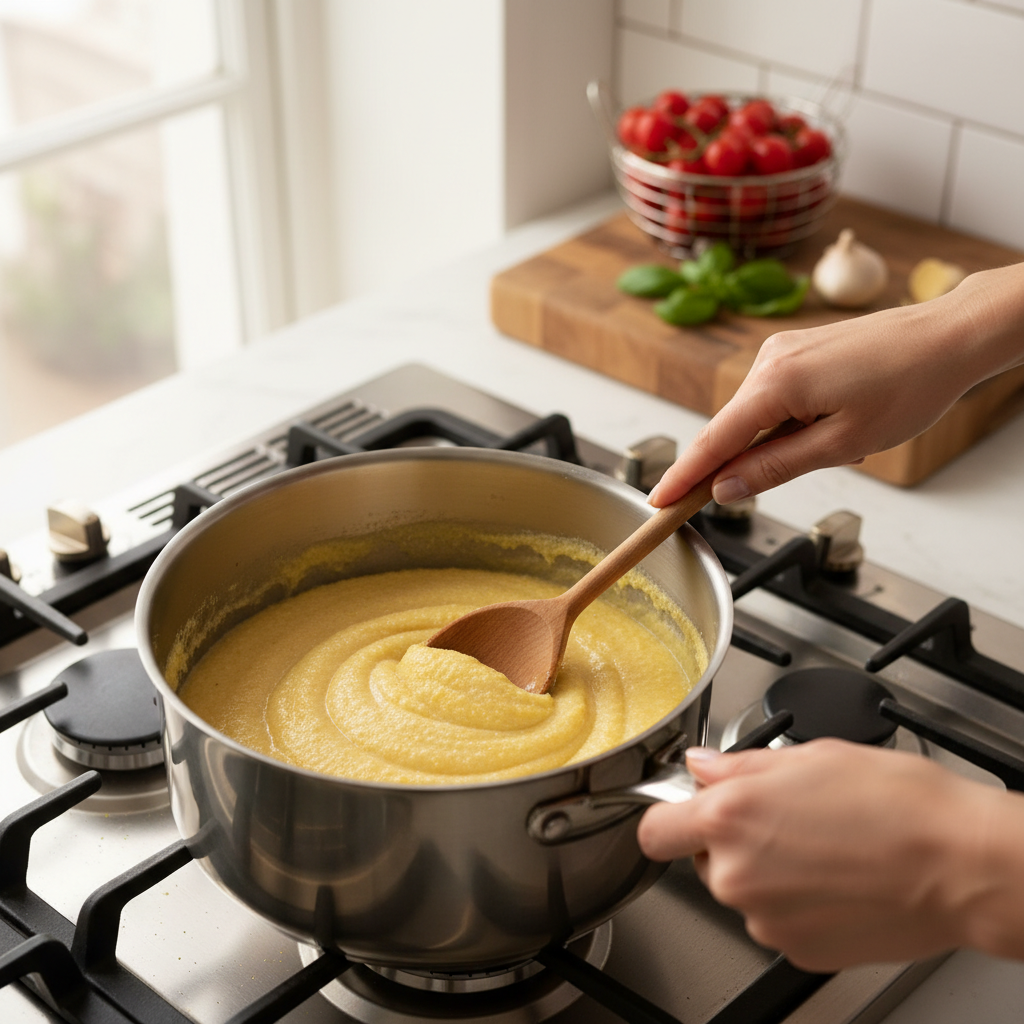
- Prepare your pot: Choose a heavy-bottomed saucepan to distribute heat evenly and prevent sticking.
- Heat the liquid: Pour the cold water or broth into the pot and add the salt. Bring to a gentle boil over medium-high heat.
- Whisk in polenta: Once boiling, slowly drizzle in the cornmeal while whisking continuously. This prevents lumps and ensures a smooth texture.
- Reduce heat and stir: Immediately reduce the heat to low so the mixture is at a bare simmer. Stir almost constantly for the first 5-10 minutes.
- Continue to cook: Cook for 25-30 minutes, stirring every few minutes to prevent sticking. The polenta will thicken and become creamy.
- Check for doneness: The polenta is ready when it’s soft, creamy, and pulls away from the sides of the pot. Taste it to ensure the grains are tender and not gritty.
- Stir in finishing touches: Remove the pot from the heat. Stir in the butter and Parmesan cheese (if using) for richness and savory flavor.
- Serve immediately: Spoon the polenta into bowls and enjoy while it’s warm and creamy.
Tips for Perfect, Lump-Free Polenta
Want to guarantee your polenta is perfectly smooth? Follow these tips to avoid lumps and achieve a delicious, creamy texture.
- Start with cold liquid: Adding cornmeal to cold or lukewarm liquid allows the grains to hydrate gradually, which helps prevent lumps from forming.
- Drizzle and whisk: Pour the cornmeal in a slow, steady stream while whisking vigorously. This is key to a smooth, lump-free mixture.
- Use a heavy-bottomed pot: A thick-bottomed pot distributes heat more evenly, which minimizes scorching and sticking.
- Stir frequently: Regular stirring, especially at the beginning, keeps the polenta from clumping. It also helps release starches for a creamier texture.
- Cook slowly: Low and slow cooking allows the polenta grains to soften fully, ensuring a tender, non-gritty final product.
- Adjust consistency: If your polenta becomes too thick, whisk in a splash of warm water or broth until you reach your desired consistency.
- Consider nutritional benefits: Cornmeal, the base of polenta, is a whole grain that provides dietary fiber and essential nutrients, contributing to a healthy and balanced meal [source: https://www.nal.usda.gov/fnic/food-composition-databases].
What do you do with polenta?
Delicious Serving Suggestions
Once you’ve mastered our easy polenta recipe, a world of delicious possibilities opens up. This creamy, comforting dish is incredibly versatile, able to serve as the star of your meal or as a wonderful side. Here are some fantastic ways to enjoy your freshly made polenta:
- Classic Comfort: Serve warm, creamy polenta with a rich ragu or slow-cooked Bolognese for a satisfying, family-friendly meal that always impresses.
- Savory & Simple: For a quick and delightful meal, swirl in extra butter, a generous sprinkle of Parmesan cheese, and fresh herbs like chives or parsley. Finish with a dash of black pepper.
- Roasted Vegetable Delight: For a healthy and balanced meal, top your polenta with a medley of roasted seasonal vegetables like cherry tomatoes, bell peppers, and zucchini. A drizzle of balsamic glaze adds the perfect finishing touch.
- Hearty Meat Pairings: Polenta is a beautiful partner for braised short ribs, Italian sausages, or rustic chicken cacciatore. Its creamy texture is perfect for soaking up every drop of flavorful sauce.
- Mushroom Magic: Create a gourmet-style topping with sautéed wild mushrooms, garlic, and thyme. Adding a splash of white wine gives the sauce extra depth. This recipe is surprisingly simple and beginner-friendly.
- As a Side Dish: Substitute polenta for mashed potatoes or rice to elevate any meal. It’s a perfect complement to grilled meats, fish, and stews.
- Breakfast Treat: For a surprisingly delightful breakfast, warm up leftover creamy polenta and serve it with fresh berries, a drizzle of honey, or a sprinkle of cinnamon.
Polenta is all about approachable home cooking. Enjoy the process without stress as you discover delicious new ways to prepare this simple ingredient.
Recipe Variations: Firm Polenta, Fried Polenta, and More
The beauty of polenta is its versatility. Beyond its creamy form, you can transform it into entirely new textures and dishes. These variations are perfect for meal prep and will help you add creativity to your weekly menu with confidence.
Making Firm Polenta
Firm polenta is the secret to many exciting dishes, as it can be sliced, grilled, or fried. To make it, simply follow the creamy polenta recipe but reduce the liquid slightly or cook it a bit longer. You’ll know it’s ready when it’s very thick and pulls away from the sides of the pot. This technique echoes traditional methods where Italian chefs cooked polenta for extended periods to achieve a sliceable consistency [3].
- Prepare & Spread: Once cooked, immediately pour the hot, thick polenta into a lightly oiled baking dish (an 8×8 inch dish works well).
- Chill & Set: Smooth the top with a spatula, cover, and refrigerate for at least 2 hours, or until completely firm. This can be prepared the day before.
Fun Ways to Use Firm Polenta
Once your polenta is firm, the fun can begin! Here are a few simple ideas for quick and delicious meals.
- Grilled or Pan-Fried Slices:
- Slice It: Once firm, invert the polenta onto a cutting board. Slice it into squares, triangles, or rectangles about ½-inch thick.
- Oil & Season: Lightly brush each slice with olive oil and season with salt, pepper, and your favorite herbs.
- Cook: Grill or pan-fry the slices in a hot skillet over medium-high heat for 3-5 minutes per side, until golden brown and slightly crispy.
- Serve: Top the grilled slices with bruschetta, roasted vegetables, or a dollop of pesto for a great appetizer or unique side dish.
- Crispy Polenta Fries:
- Cut into Sticks: Cut the block of firm polenta into fry-shaped sticks.
- Bake or Air Fry: Toss the sticks with a little olive oil, salt, and pepper. Bake at 400°F (200°C) for 20-25 minutes, flipping halfway. Or, air fry at 375°F (190°C) for 15-20 minutes until golden and crisp.
- Dip Away: Serve with marinara sauce, spicy aioli, or ketchup for a family-friendly side that everyone will love.
- Baked Polenta Casseroles:
- Layer It: Use slices of firm polenta as the base layers in a casserole dish.
- Add Fillings: Alternate with layers of tomato sauce, cheese, cooked vegetables, or ground meat.
- Bake: Bake until bubbly and golden for a comforting dinner. This dish is similar to a lasagna but offers a unique, gluten-free twist.
Exploring these variations will boost your cooking confidence, helping you create delicious, visually appealing meals from simple ingredients. Recipesmondial is here to help you enjoy cooking without stress, one recipe at a time!
What are some common mistakes when making polenta?
Making creamy, delicious polenta is easier than you might think. However, a few common pitfalls can trip up even experienced home cooks. Don’t worry—with these simple tips from Recipesmondial, you’ll learn how to avoid them and make perfect, lump-free polenta every time.
Avoiding Common Polenta Problems
Here are the top mistakes to watch out for and how to ensure your polenta turns out wonderfully:
- Adding Polenta Too Quickly or All at Once: This is the most common culprit for lumpy polenta. When dry polenta hits hot liquid all at once, it clumps together instantly.
- The Fix: Pour the polenta into your simmering liquid in a thin, steady stream while whisking continuously. This prevents the grains from clumping and helps them absorb moisture evenly. Think of it as a gentle rain, not a sudden downpour.
- Not Stirring Enough: Polenta needs attention. If you don’t stir frequently, especially in the initial stages, it can stick to the bottom of the pot, burn, and develop an inconsistent texture.
- The Fix: Whisk vigorously as you add the polenta and until it begins to thicken. Afterward, switch to a wooden spoon and stir frequently to ensure even cooking and prevent sticking. Constant stirring isn’t necessary once it reaches a gentle simmer.
- Using Cold Liquid: Starting with cold liquid means the polenta will take much longer to cook and can lead to an uneven, lumpy consistency.
- The Fix: Always bring your liquid (water, broth, or milk) to a simmer before you start adding the polenta. A hot start ensures the grains begin cooking immediately and evenly for the smoothest possible texture.
- Not Cooking Long Enough: Rushing the process is a sure way to get gritty, undercooked polenta. The cornmeal needs time to fully soften and swell.
- The Fix: Be patient, as proper cooking takes time. Most recipes require at least 30-45 minutes for the cornmeal to fully soften. Always taste it before serving—the texture should be creamy and tender, with no grittiness. For truly authentic results, some Italian chefs cook polenta for an hour or more [4].
- Incorrect Liquid-to-Polenta Ratio: Too much liquid will make your polenta soupy, while too little will make it thick, dry, and dense.
- The Fix: Start by following your recipe’s recommended ratio. Remember, it’s easy to stir in a splash of extra hot liquid if your polenta gets too thick, but it’s difficult to fix if it’s too thin.
- Forgetting to Season Properly: On its own, polenta is quite bland. A common mistake is not seasoning it enough or at the right time.
- The Fix: Season the cooking liquid with salt before adding the polenta. Since ingredients like cheese and butter will change the flavor, always taste and adjust the seasoning again just before serving. This is a crucial step for a flavorful result.
- Using the Wrong Type of Cornmeal: Not all cornmeal is the same. Instant, fine, and medium-grind cornmeal all cook very differently and yield different results.
- The Fix: Pay close attention to the type of cornmeal your recipe calls for. For a classic creamy texture, medium-grind polenta is often the best choice. While instant polenta is faster, be aware that its flavor and texture will not be the same.
By keeping these simple tips in mind, you will avoid common mistakes and feel more confident making impressive, flavorful polenta. Master this comforting dish, and you’ll have a wonderful meal for any occasion.
Frequently Asked Questions About Polenta
Is polenta the same as grits?
While polenta and grits aren’t the same, they are very similar. Both are comforting porridges made from ground corn.
The main differences are the type of corn used and the size of the grind. Here’s a quick comparison:
| Feature | Polenta | Grits |
|---|---|---|
| Corn Type | Typically made from yellow flint or dent corn, which gives it a slightly sweet, earthy flavor. | Often made from hominy—corn that has been treated with an alkali [5]. This process changes its flavor and texture. |
| Grind | Usually a coarser grind, which leads to a more textured and hearty finished dish. | Can be fine, medium, or coarse, but it is often finer than polenta for a smoother consistency. |
| Origin | A staple in Northern Italian cuisine. | A traditional dish from the Southern United States. |
In short, while they are both corn-based porridges, their distinct origins and processing methods give them unique characteristics. You can enjoy both as a comforting, quick meal!
Is polenta healthy or fattening?
On its own, polenta is a very healthy food. As a whole grain made from ground corn, it offers several nutritional benefits.
Here’s why polenta can be a great addition to your diet:
- Good Source of Energy: Polenta provides complex carbohydrates for sustained energy.
- Rich in Fiber: It contains dietary fiber, which is important for digestive health and helps you feel full, aiding in weight management [6].
- Vitamins and Minerals: Polenta can be a good source of vitamins and minerals, including B vitamins, iron, and magnesium.
- Naturally Gluten-Free: It is a great option for those with celiac disease or gluten sensitivities.
Whether polenta becomes “fattening” depends on its preparation. Cooked simply with water or broth, polenta is low in fat and calories. However, adding butter, cream, or large amounts of cheese will significantly increase its calorie and fat content, turning it into a richer dish.
For a healthy and flavorful meal, serve polenta with plenty of fresh vegetables and lean proteins to create a balanced and satisfying dish.
How do Italians eat polenta?
In Italy, especially in the northern regions, polenta is a cherished comfort food, not just a simple side dish. It is incredibly versatile and served in many delicious ways.
Here are some popular ways Italians serve polenta:
- Creamy Polenta (Polenta Morbida): This soft, smooth version is served much like mashed potatoes. It often accompanies rich, slow-cooked meat stews, braised mushrooms, or a sprinkle of Parmesan or Gorgonzola cheese [7].
- Firm Polenta (Polenta Solida): Once cooled, polenta becomes firm enough to be sliced. These slices can then be:
- Grilled or Pan-Fried: This method creates a crisp outside and a tender inside. Slices are fantastic with roasted vegetables, sausages, or seafood.
- Baked: Slices are used in layered dishes, similar to a savory lasagna, with cheese and tomato sauce.
- Breakfast Polenta: In some regions, a sweeter polenta is enjoyed for breakfast, served with milk, sugar, or honey.
- As a Base for Soups and Stews: A scoop of thick polenta is often served in a bowl and topped with hearty soups or stews, soaking up all the rich flavors.
Essentially, Italians use polenta as a wonderful canvas for many different flavors, making it a truly adaptable ingredient for home cooking.
What’s the difference between cornmeal and polenta?
This is a common question! The key distinction is that “polenta” refers to both a specific dish and the type of cornmeal used to make it. While all polenta is a form of cornmeal, not all cornmeal is ideal for making the classic polenta dish.
Here’s what sets polenta apart from general cornmeal:
- Grind Size: Polenta is typically made from coarsely ground yellow corn. This texture gives the finished dish its characteristic hearty bite. General cornmeal can range from very fine to coarse.
- Corn Type: Authentic polenta is often made from specific Italian varieties of corn, like flint or dent, which are known for their distinct flavor and texture. Regular cornmeal can be made from any type of corn.
- Labeling: A package labeled “polenta” contains cornmeal that is the correct grind for making the classic creamy dish. You may also see “instant” or “quick-cooking” polenta, which is pre-cooked or more finely ground for faster preparation.
So, can you use any cornmeal to make polenta? Yes, but the texture will vary. Fine cornmeal will result in a much smoother, creamier dish. For the traditional, heartier texture, it’s best to use a cornmeal specifically labeled “polenta” or one that is coarsely ground.
Sources
- https://www.britannica.com/topic/polenta
- https://www.nccorn.com/nixtamalization-what-is-it/
- https://www.academiabarilla.com/italian-recipes/polenta-traditional-dish-italian-cuisine
- https://www.academiabarilla.com/the-italian-food-academy/polenta-a-staple-of-northern-italian-cuisine/
- https://nchfp.uga.edu/how/can_06/hominy.html
- https://www.hsph.harvard.edu/nutritionsource/carbohydrates/fiber/
- https://www.lacucinaitaliana.com/glossary/polenta
Leave a Reply